Many Shades of Grès: The Pleats That Redefined Fashion
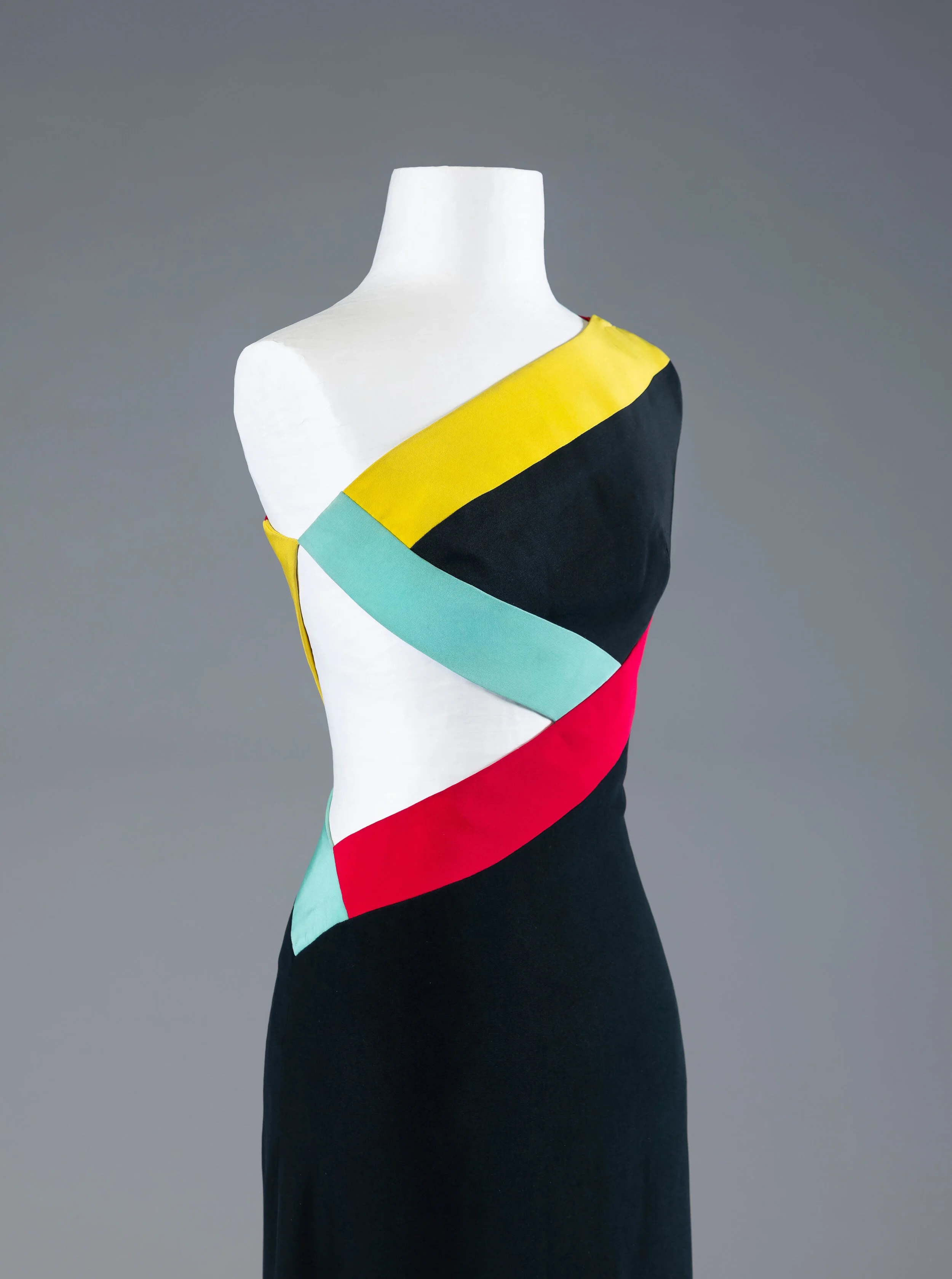
Madame Grès, black evening gown with multicoloured inserts, artificial silk, crêpe de chine, A/W 1967. Photo: Staatliche Museen zu Berlin, Kunstgewerbemuseum / David von Becker
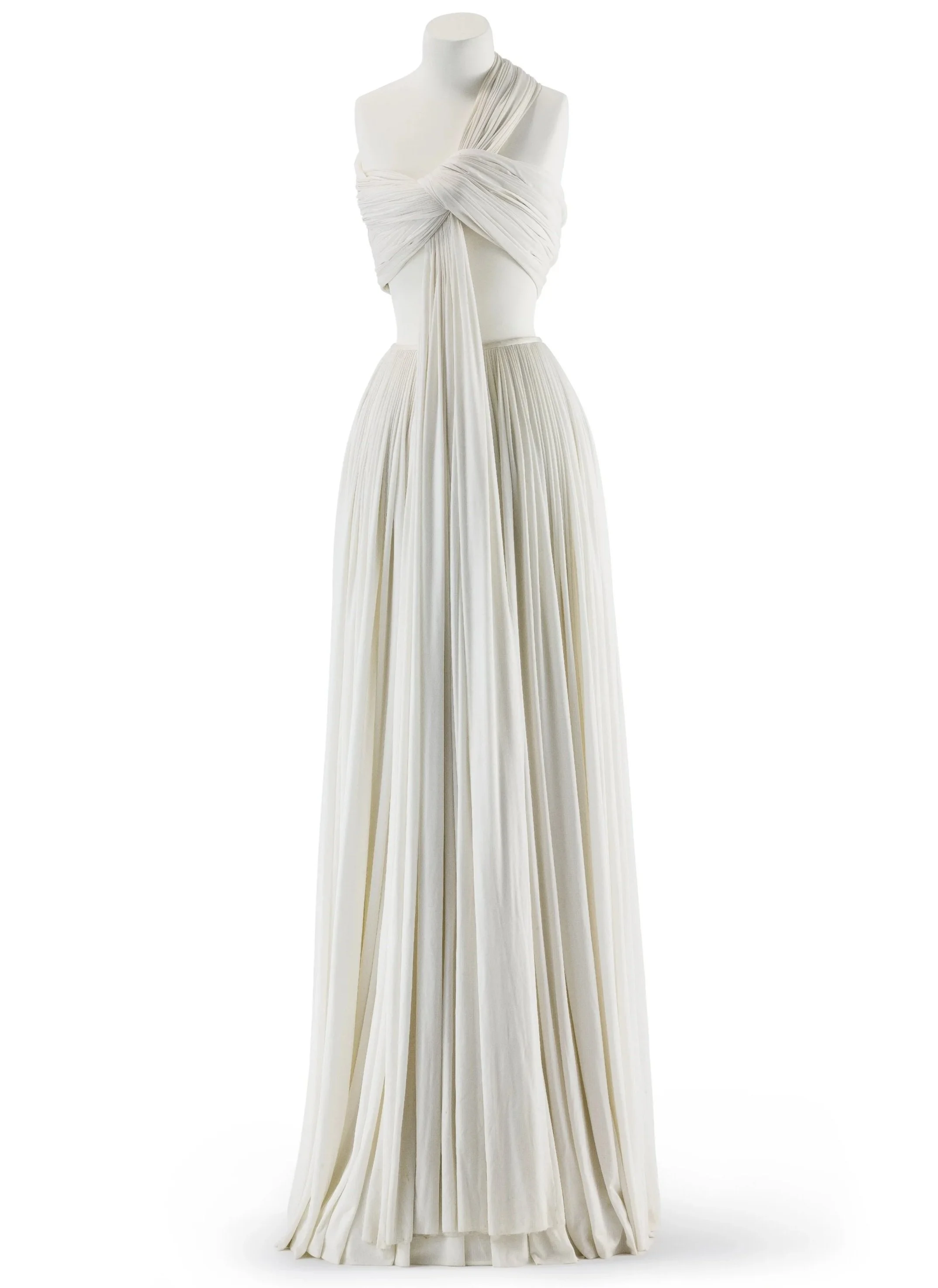
Madame Grès didn't just pleat fabric — she reimagined what it could do. Working directly on the body, she treated silk jersey the way a sculptor treats stone: with patience, precision and a clear sense of form. Her floor-length draped gowns felt simultaneously ancient and entirely her own.
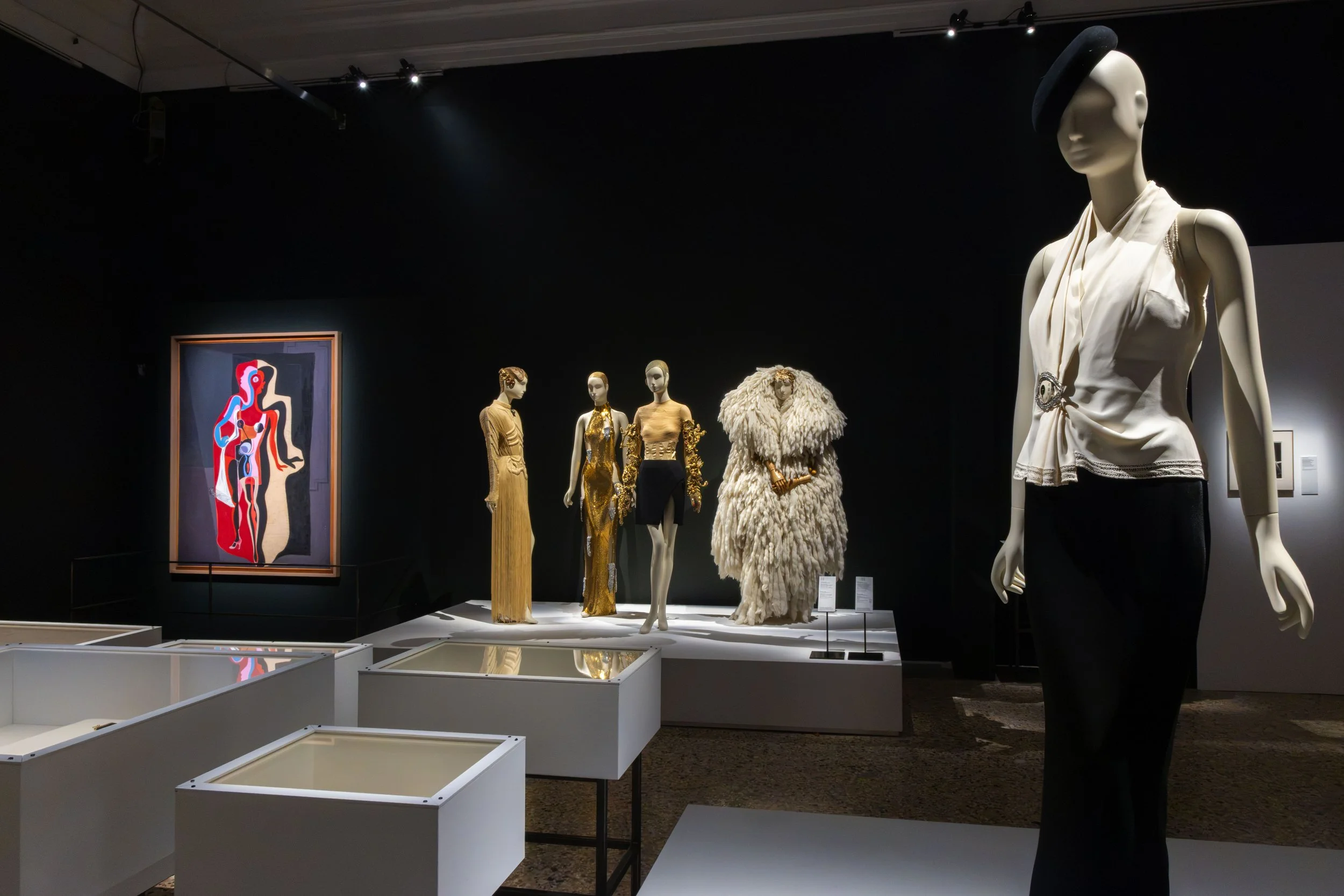
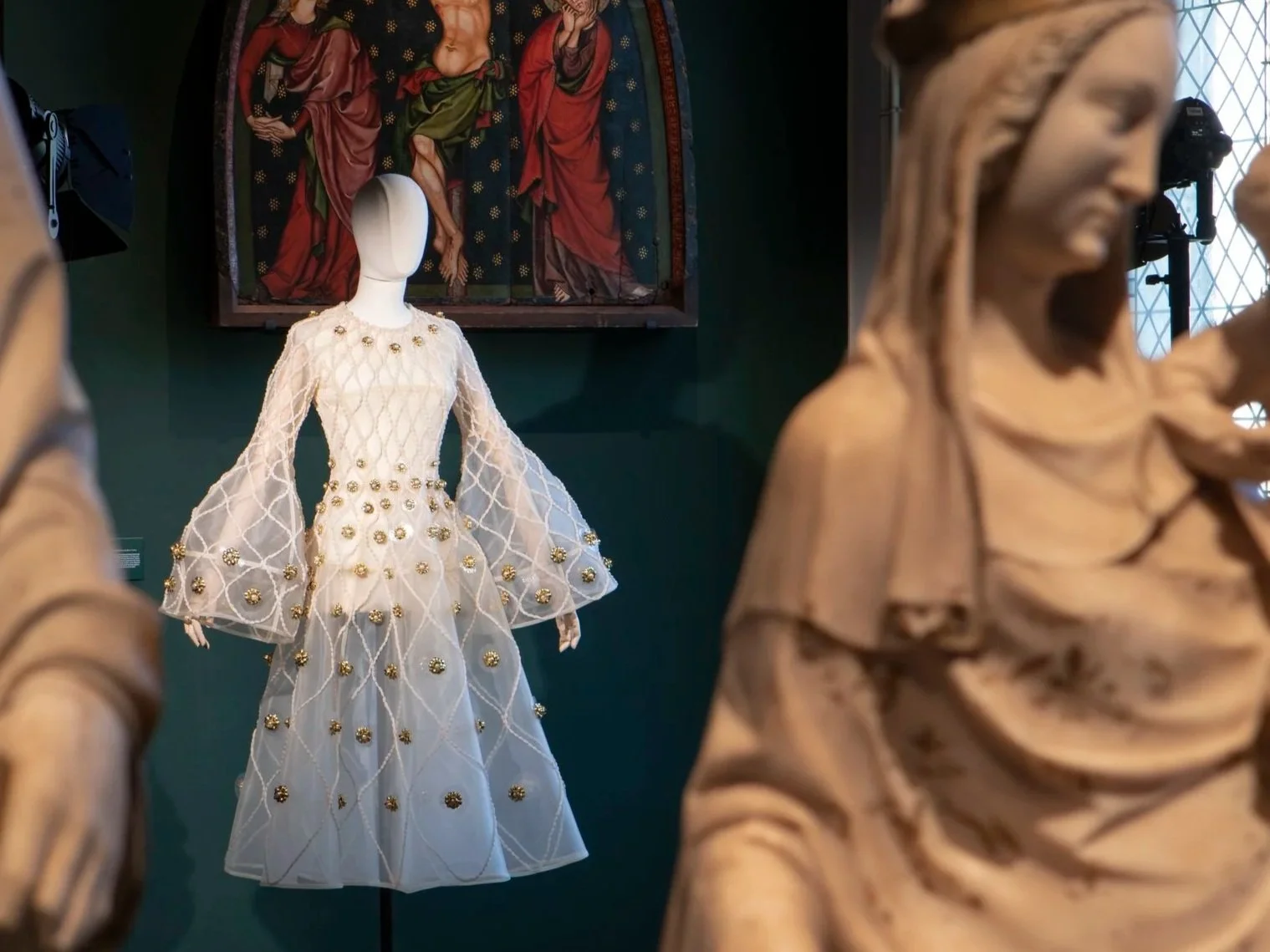
This spring, Berlin's Kunstgewerbemuseum at the Kulturforum makes that argument explicit. Many Shades of Grès: Fashion Becomes Art (15 May–11 October 2026) brings together 25 garments from the museum's collection alongside antiquities and Byzantine works — a conversation across centuries that positions Grès as craftsperson first, couturier second.
Born Germaine Émilie Krebs, she launched her career in the 1930s as Mademoiselle Alix before taking the name Madame Grès. Her signature pleats — delicate yet disciplined — compress metres of fabric into narrow folds that expand into columns around the body. In one ivory jersey gown, the pleats begin almost imperceptibly at the shoulder, then tighten across the torso, giving the illusion that the fabric moves of its own accord.
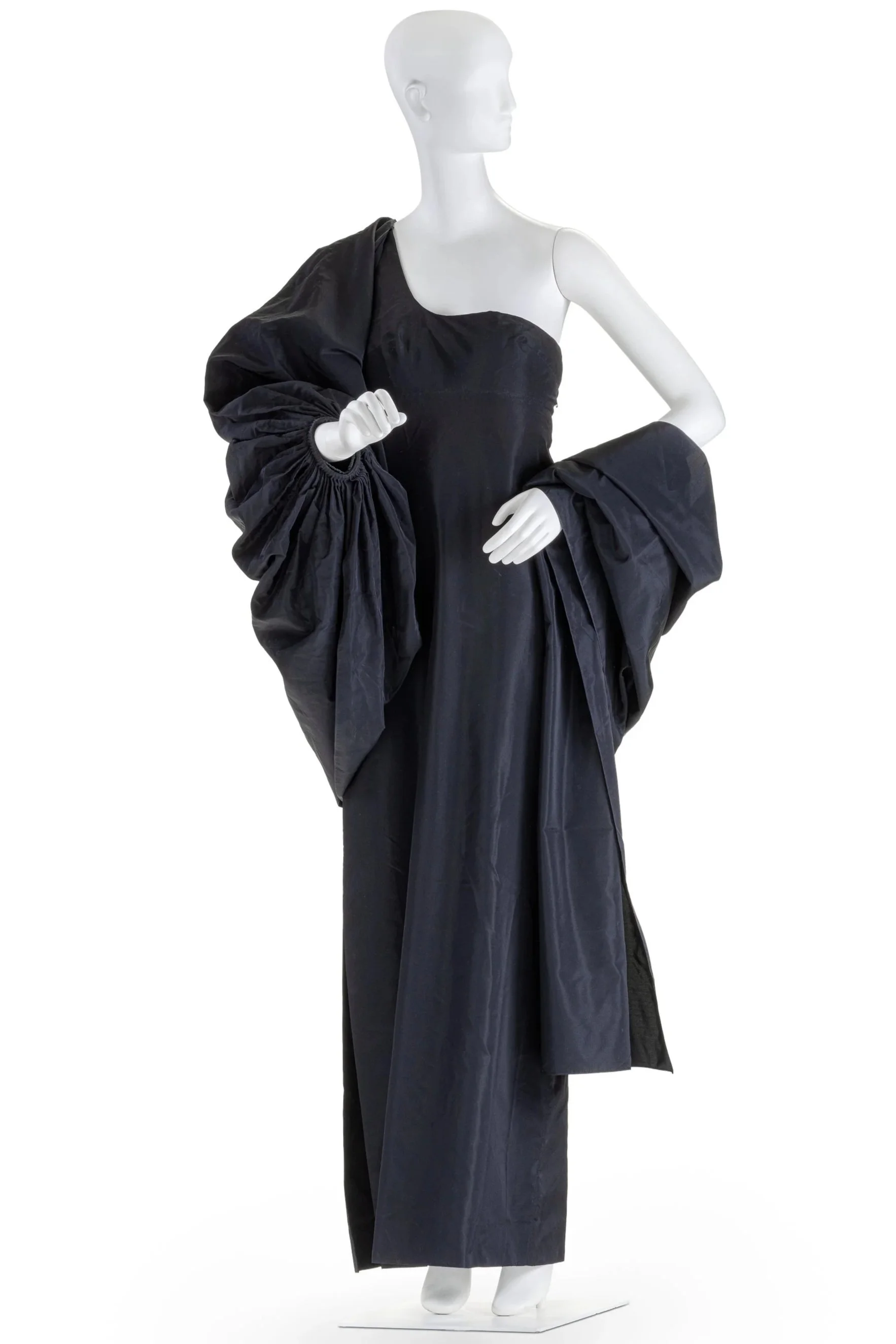
Rarely seen coats, capes and harem trousers broaden the picture, revealing a designer whose instincts extended well beyond the Grecian silhouette she became famous for. Embroidery and unexpected material pairings point to wider global influences — a reminder that Grès was as much a researcher as she was a maker.