March Must-Sees: Fashion’s Bold Debuts and Final Calls
March 2026 brings a rich selection of fashion exhibitions to explore, from 6 new fashion exhibitions opening this month around the world to ongoing shows that continue to captivate. Whether you’re drawn to iconic designers like Schiaparelli and Vivienne Westwood, contemporary visionaries such as Keysook Geum, or global craft traditions, this month’s highlights offer a chance to see fashion as both art and cultural commentary.
NEW OPENINGS
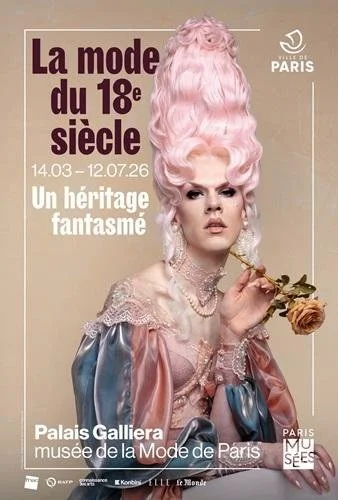
Fashion in the 18th Century. A Fantasized Legacy
Palais Galliera, Paris
14 March – 12 July 2026
The eighteenth century refuses to stay in the past. DIOR’s Spring/Summer 2026 collection featured skirts with exaggerated hip volume — not literal panniers, but close enough to recall them. Recent exhibitions have returned obsessively to Marie Antoinette's wardrobe. The period's codes — architectural silhouettes, embroidered excess, theatrical construction — keep resurfacing on contemporary runways, less as historical homage than as visual shorthand for a particular kind of luxury.
This new exhibition will ask why, juxtaposing period garments with later interpretations from CHANEL, DIOR, Christian Lacroix, Vivienne Westwood, Louis Vuitton and Dries van Noten.
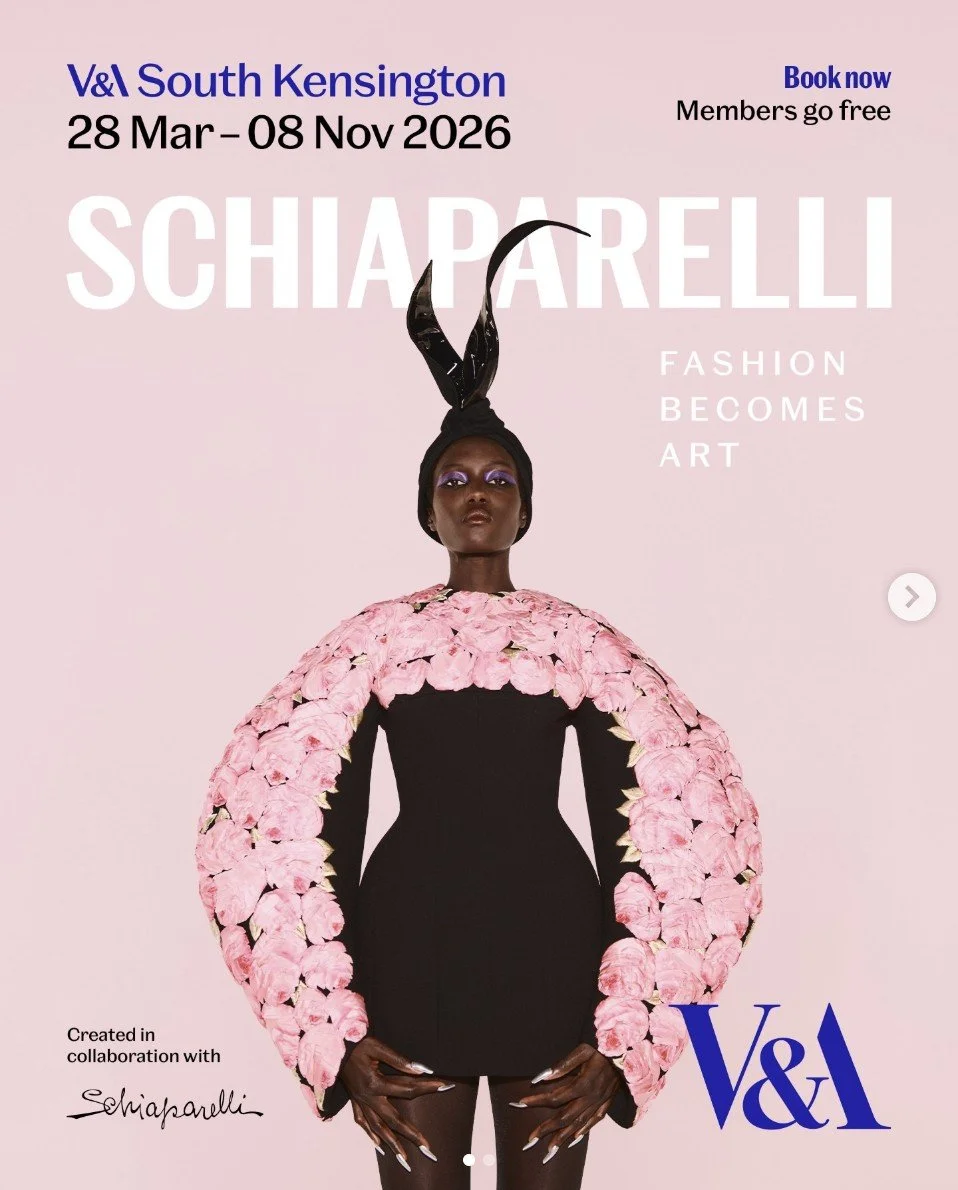
Schiaparelli: Fashion Becomes Art
Victoria & Albert Museum, London
28 March – 8 November 2026
The V&A's first UK exhibition dedicated to Schiaparelli spans the house from its 1927 founding to Daniel Roseberry's current tenure.
Over 200 objects will be on display, including the Skeleton dress (1938) and Tears dress (1938), both created with Salvador Dalí, alongside the upside-down shoe hat and lobster dress that became surrealist shorthand, while artworks by Dalí, Picasso, Jean Cocteau and Man Ray will map her cross-disciplinary reach.
The exhibition will also sheds light on the Maison’s London branch, which operated independently with its own clientele—a less-documented chapter revealing Schiaparelli's entrepreneurial instincts beyond Paris.
Roseberry's contemporary work will be included not as coda but as continuation, demonstrating how shock, wit and technical precision remain the house codes.
The Offbeat Sari
Bunjil Place Gallery, Melbourne
21 March – 30 August 2026
Following its London debut, The Offbeat Sari offers a view of the sari as both a cultural icon and a field of ongoing experimentation. The exhibition demonstrates how a 5,000-year-old garment is experiencing constant reinvention, with designers rethinking its form, structure, and purpose. Rimzim Dadu’s stainless steel sari and Diksha Khanna’s distressed denim drape test what a sari can be, while Sabyasachi’s gold tulle creation with a Schiaparelli bodice, worn by Natasha Poonawalla to the Met Gala, demonstrates how the sari can carry the weight of couture visibility without losing its Indian identity.
Vivienne Westwood: Rebel – Storyteller – Visionary
The Bowes Museum, Durham, UK
28 March – 6 September 2026
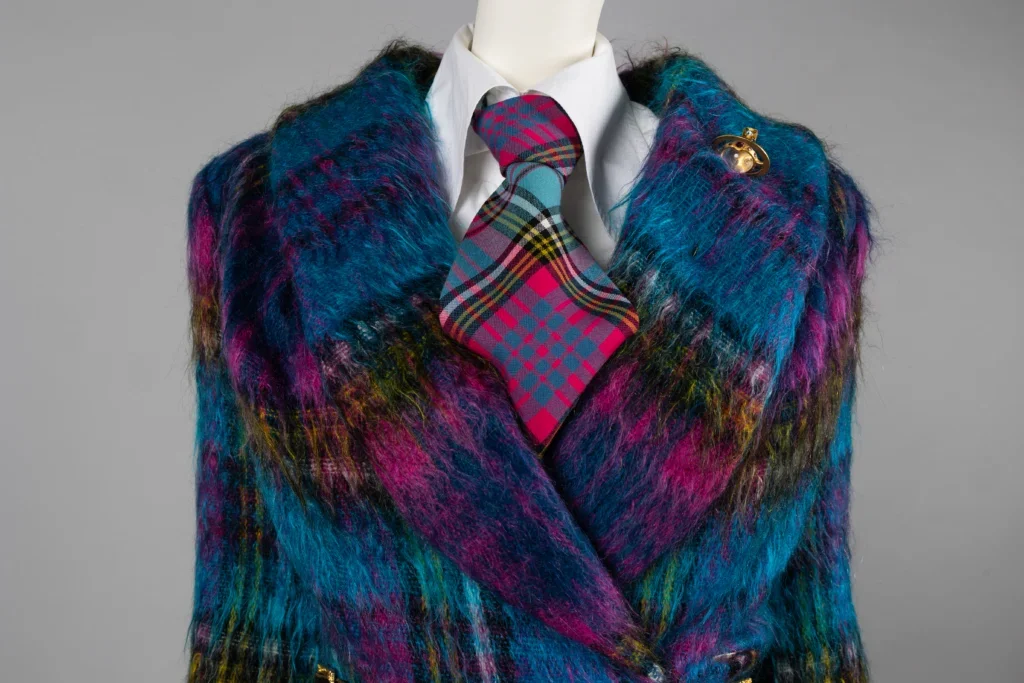
Vivienne Westwood's third outing at The Bowes Museum traces her evolution from her seminal punk-era designs into the 1980s–2000s, when she began engaging deeply with historical dress, tailoring, and couture.
Her Pirates collection (1981) signalled this shift — 18th-century references became structural tools rather than surface decoration. Over the following decades, corsetry, crinolines, bustles, and tailoring were reworked into garments addressing proportion, sexuality, and social convention. Calico toiles, working patterns, and digitally deconstructed pieces reveal the technical foundation behind designs often discussed only visually.
The museum's own collection provides context, reflecting Westwood's use of museum holdings as research tools. Rather than a comprehensive retrospective, this exhibition concentrates on the period when refined rebellion became method.

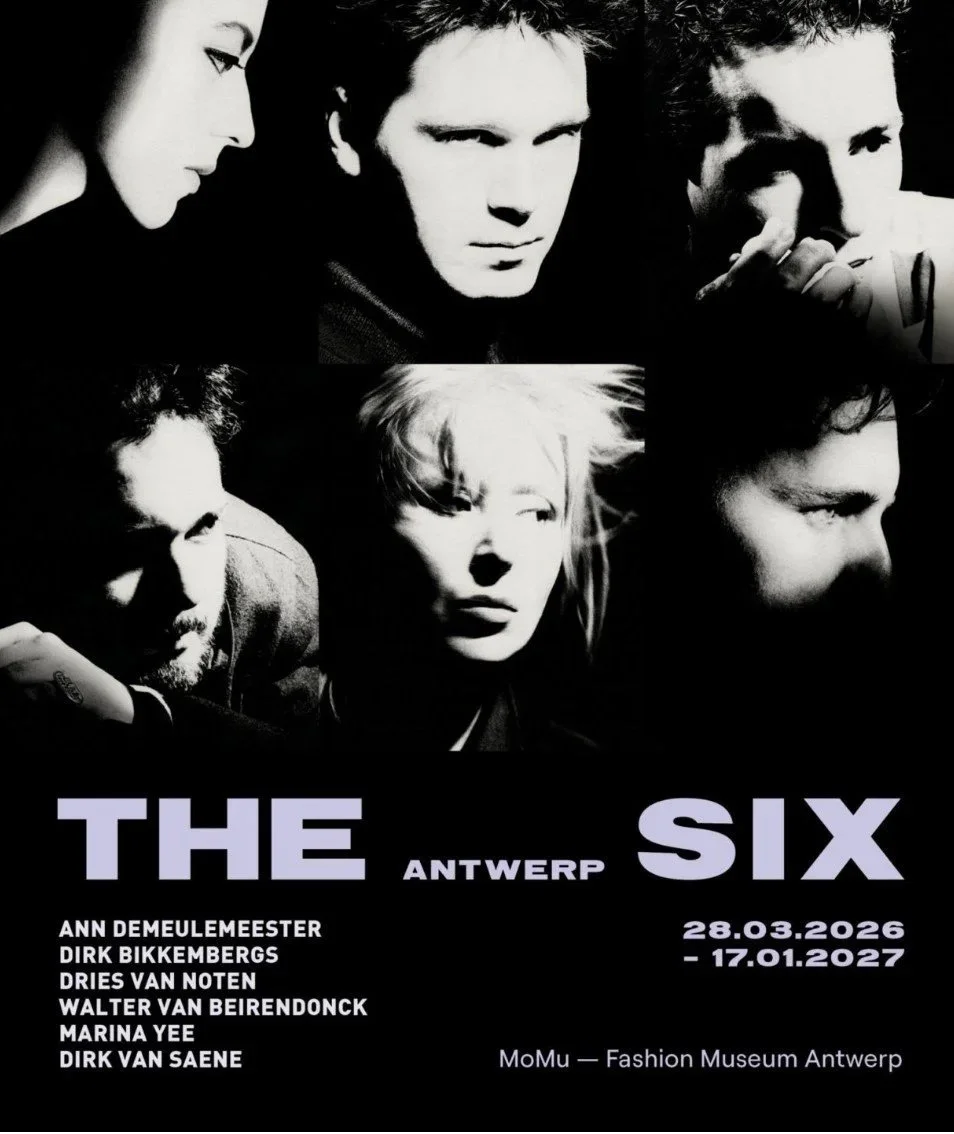
The Antwerp Six
The Fashion Museum Antwerp (MoMu) Antwerp
31 March – 17 January 2027
The first major exhibition devoted to six iconic fashion designers who all studied at the Royal Academy of Fine Arts in Antwerp and went on to lead highly influential solo careers. In 1986, the six Belgian designers—Dirk Bikkembergs, Ann Demeulemeester, Walter Van Beirendonck, Dries Van Noten, Dirk Van Saene and Marina Yee—rented a van to travel to the British Designer Show in London, handing out flyers until a major buyer from Barneys took notice. Dubbed by the press the Antwerp Six, each designer had a distinct signature style, though their avant-garde aesthetic was characterised by deconstruction and asymmetry, along with minimalist colour palettes.
Africa Fashion
Musée du quai Branly, Paris, France
31 March – 12 July 2026
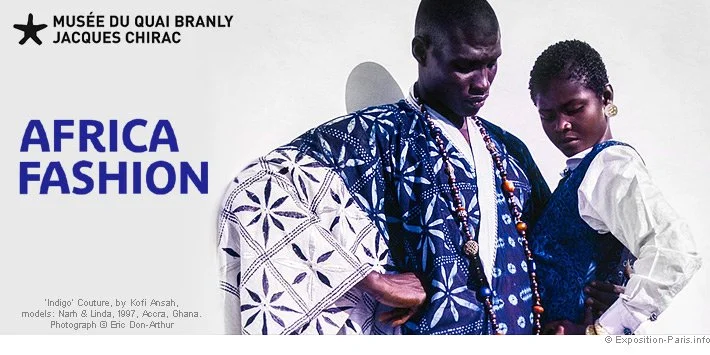
First conceived by the V&A, this exhibition orchestrates a compelling conversation between today's African fashion vanguard and the musée du quai Branly's extensive historical holdings. It charts the continent's fashion renaissance through designers such as Imane Ayissi and Thebe Magugu, whose work demonstrates how heritage textiles can be reimagined through a distinctly modern lens.
The exhibition draws from the archives of pioneering mid-twentieth century figures – Shade Thomas-Fahm, Chris Seydou, Kofi Ansah and Alphadi – whose garments established the foundation for what would follow. These historical pieces are contextualized through the perspectives of today's leading voices: Ayissi, IAMISIGO, Moshions, Magugu and Sindiso Khumalo.
CATCH THEM WHILE YOU STILL CAN
Costume Couture: Sixty Years of Cosprop
Fashion and Textile Museum, London
Until 8 March 2026
Behind every unforgettable period drama lies an unsung hero—the costume house that transforms actors into believable historical figures. The Fashion and Textile Museum's celebration of Cosprop pulls back the curtain on sixty years of costume magic, revealing how this North London atelier revolutionized the way we see the past on screen.
What may seem like merely "costumes" are actually masterworks of historical reconstruction that required the same skills as haute couture. Founded by Oscar-winning costume designer John Bright, Cosprop established a new approach to period clothing. Rather than creating generalized "period looks," the company committed to authentic historical construction methods, using the same techniques that seamstresses and tailors would have employed centuries ago. The costumes on display—from Helena Bonham Carter's flowing Edwardian gowns in A Room with a View to Colin Firth's iconic Mr. Darcy ensemble—showcase an obsessive attention to detail.
Louvre Couture
Museum of Fine Arts, Houston
Until 15 March 2026
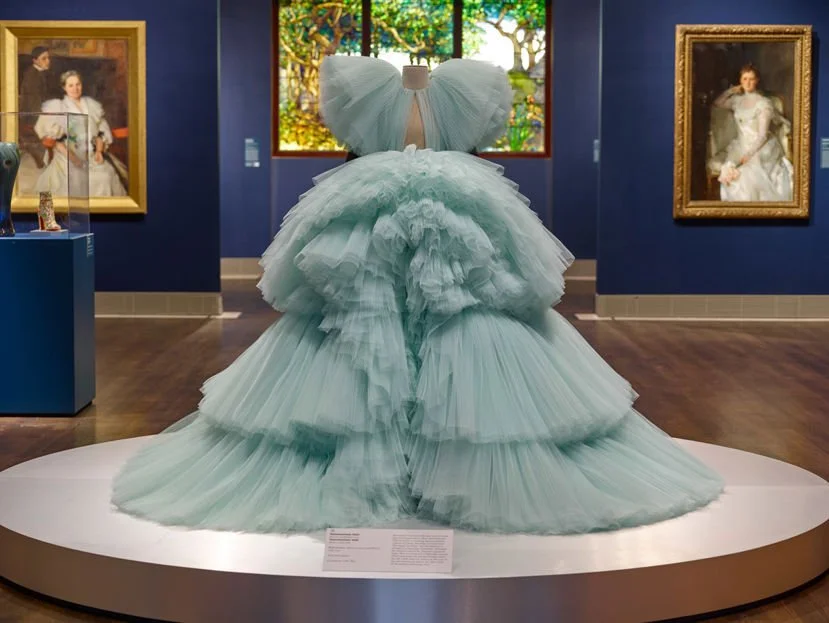
Following its record-breaking Paris run, MFAH presents iconic couture pieces alongside artworks from its collection, creating a dialogue between fashion and decorative arts.
Yves Saint Laurent's 1965 Mondrian dress meets Mondrian's Composition with Grid #1 (1918), revealing how the designer translated flat geometry to the body. John Galliano's blue-and-white gown for Dior sits beside a 17th-century Delft tulipiere, highlighting his engagement with decorative arts. Givenchy's 1990–91 pantsuit dialogues with André-Charles Boulle's longcase clock, while Louise Nevelson's Mirror Image I pairs with Yohji Yamamoto's 2024 ensemble.
The Houston curators have prioritized resonance over breadth, creating a more intimate journey than the Louvre's original 100-piece installation.
Keysook Geum: When Fashion Becomes Sculpture
Seoul Museum of Craft Art, Seoul
Until 15 March 2026
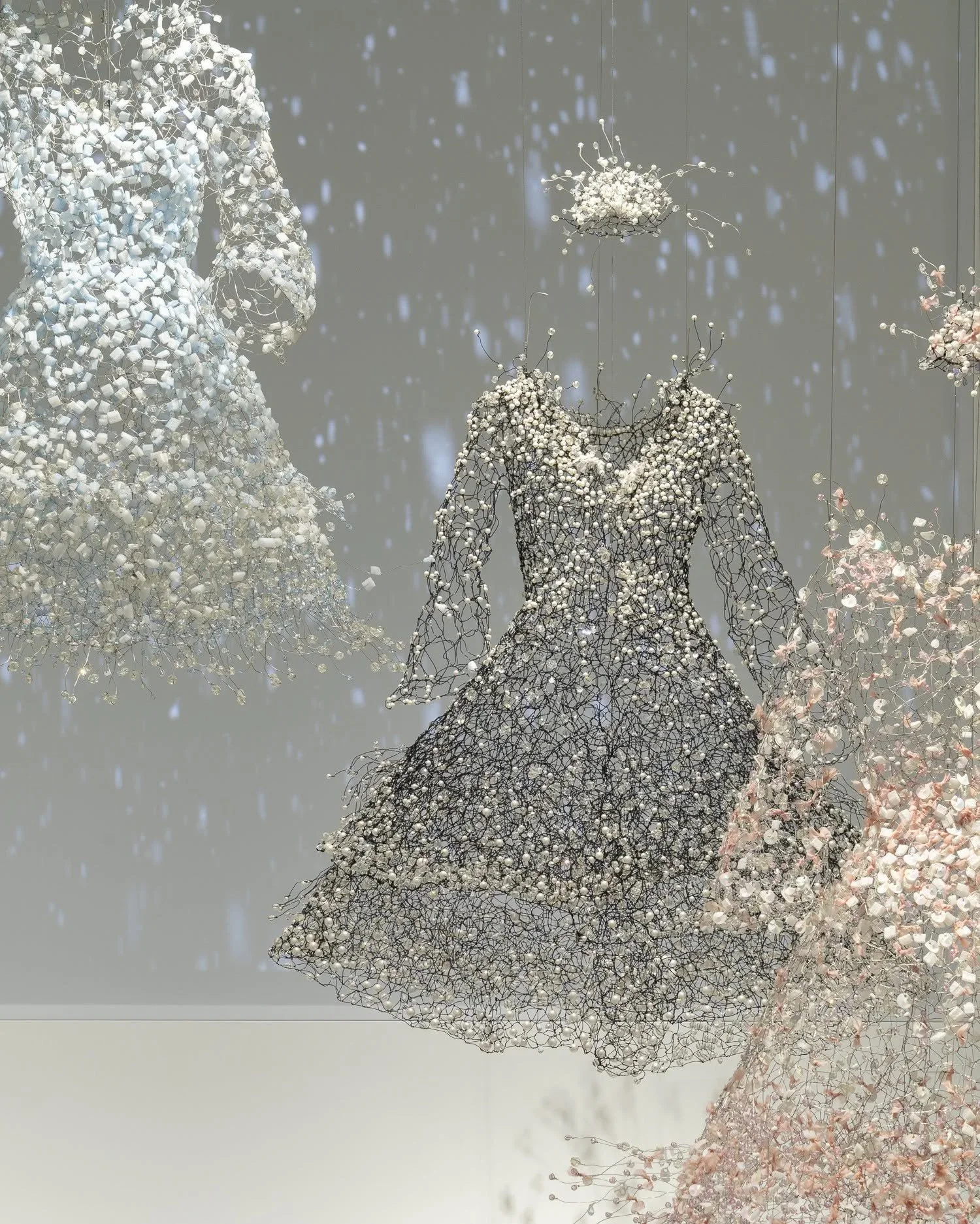
The Snow Fairy dress anchors Dancing, Dreaming, Enlightening, tracing Keysook Geum's evolution from fashion designer to a defining figure in fashion art through 56 works spanning nearly forty years.
Early pieces remain wearable yet quietly resist function. As the exhibition unfolds, clothing gives way to autonomous form: wire dresses and beaded jackets register as drawings in space. One section reinterprets the hanbok, abstracting its formal logic into contemporary sculptural works.
Archival materials — sketches, notes, stitch studies — reveal the research-driven nature of her practice. Later pieces designed for cruise ships and large interiors show that the body is no longer required; fashion becomes environment.
Marie Antoinette Style
Victoria & Albert Museum, London
Until 22 March 2026
An opportunity to step into the opulent world of history's most controversial style icon, this exhibition features 250 extraordinary objects, including never-before-seen loans from the Château de Versailles.
From the fated French queen’s silk slippers to fragments of her richly embellished court dresses and jewels from her private collection, intimate artefacts bring us closer to understanding the woman behind the legend. The exhibition also traces Marie Antoinette's remarkable evolution from 18th-century trendsetter to eternal muse, showcasing how her aesthetic continues to captivate contemporary designers.
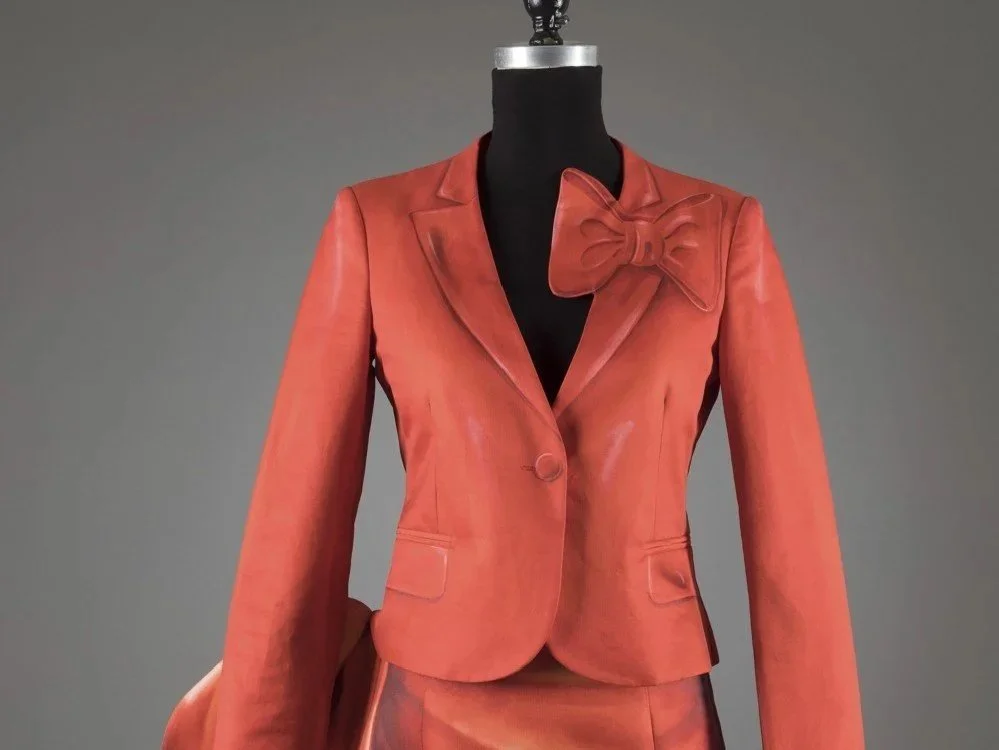
Couture pieces by Moschino, Dior, Chanel, Erdem, Vivienne Westwood, and Valentino demonstrate her enduring influence on modern fashion, while film costumes highlight her impact on popular culture.
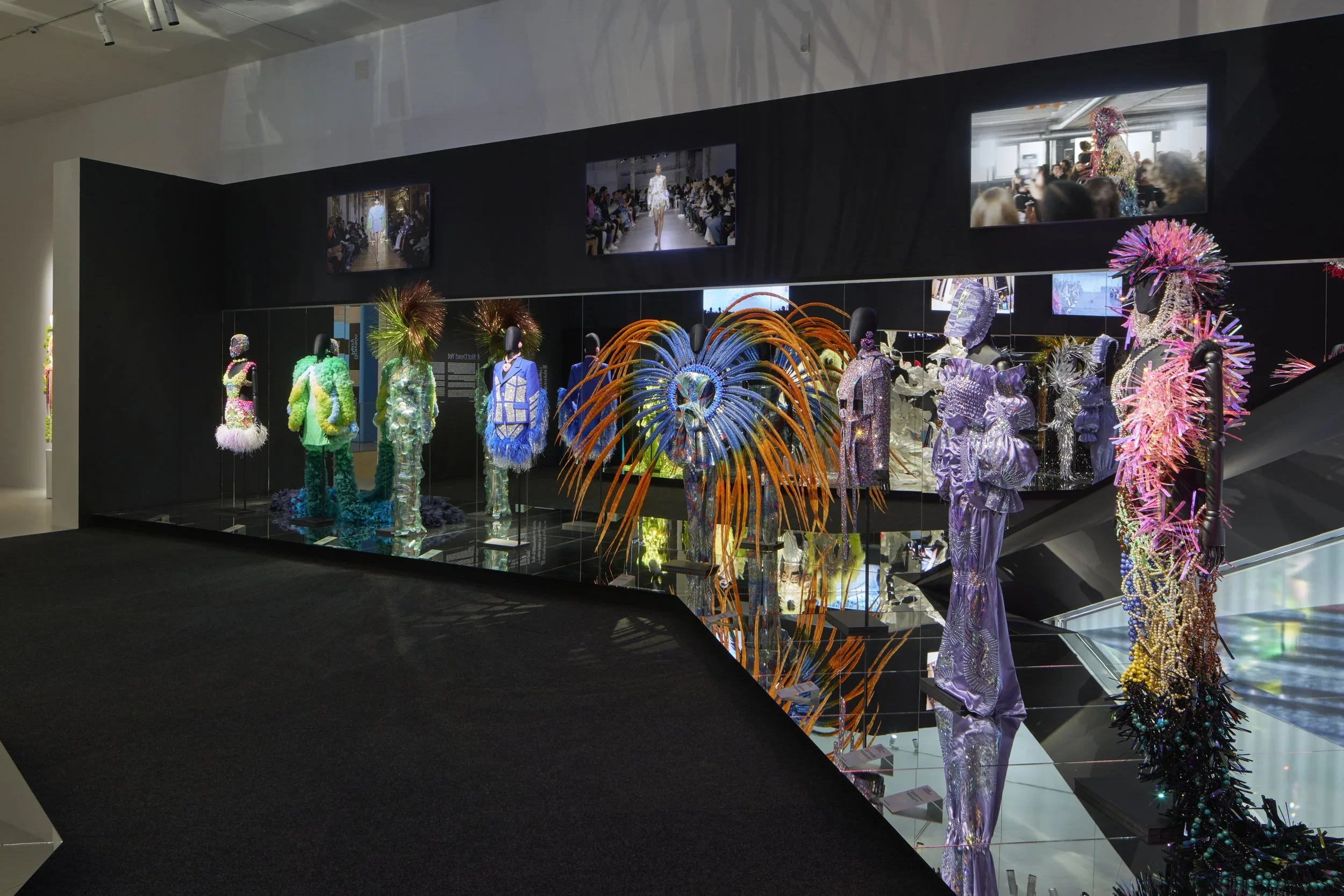
Les Monstrueuses — Kévin Germanier
mudac, Lausanne, Switzerland
Until 22 March 2026
Germanier's vision sits at a rare crossroads: craft, community, and sustainability. Rather than tracing his career, Les Monstrueuses explores the questions driving his work — how repair can become ornament, how collaboration shapes a garment's soul, and how overlooked fragments of the fashion cycle can regain expressive power when treated with intention. The studio-like installation challenges couture conventions, with costumes constructed from pens, beads, and festival ephemera. Every piece argues that making is thinking.
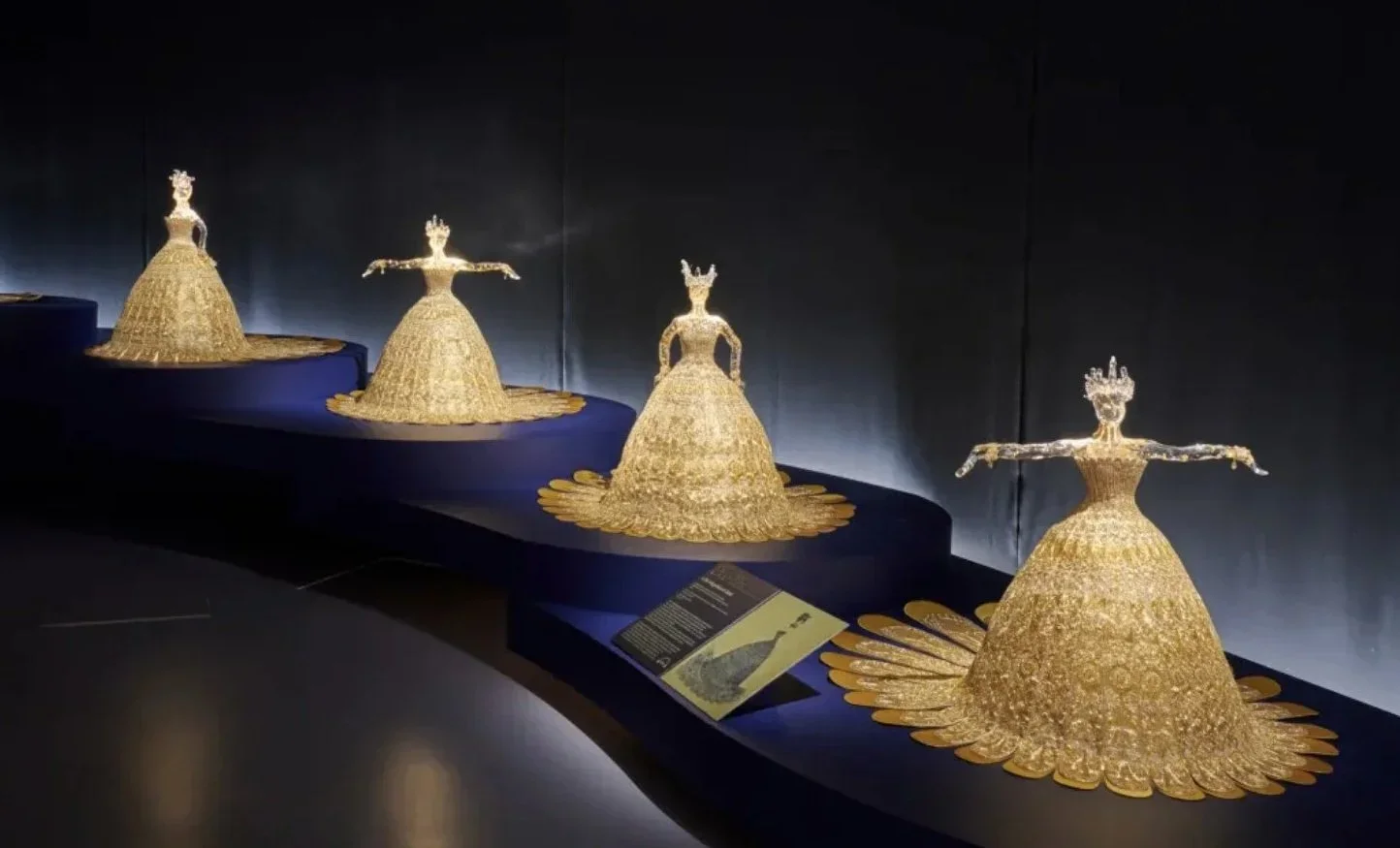
In the Thread of Gold: The Art of Dressing from the Orient to the Land of the Rising Sun
Chengdu Museum, Chengdu, China
Until 29 March 2026
Five years. Eight artisans. Thirty gold-thread embroidery techniques sourced worldwide, converging on a single wedding dress. This is how Guo Pei works — at a pace fashion has mostly abandoned, building garments that function as repositories of craft.
"In the Thread of Gold" traces gold's long-standing allure in textile arts. From the fifth millennium BCE, when gold first adorned ceremonial garments for Europe's elite, to contemporary uses in Maison Lesage's intricate embroideries for Chanel, Givenchy, and Jean-Paul Gaultier, gold has always signified wealth, divinity, and refinement. Guo Pei's creations are threaded throughout the exhibition, acting as a golden link between eras and continents.