


When Fashion Became Museum-Worthy
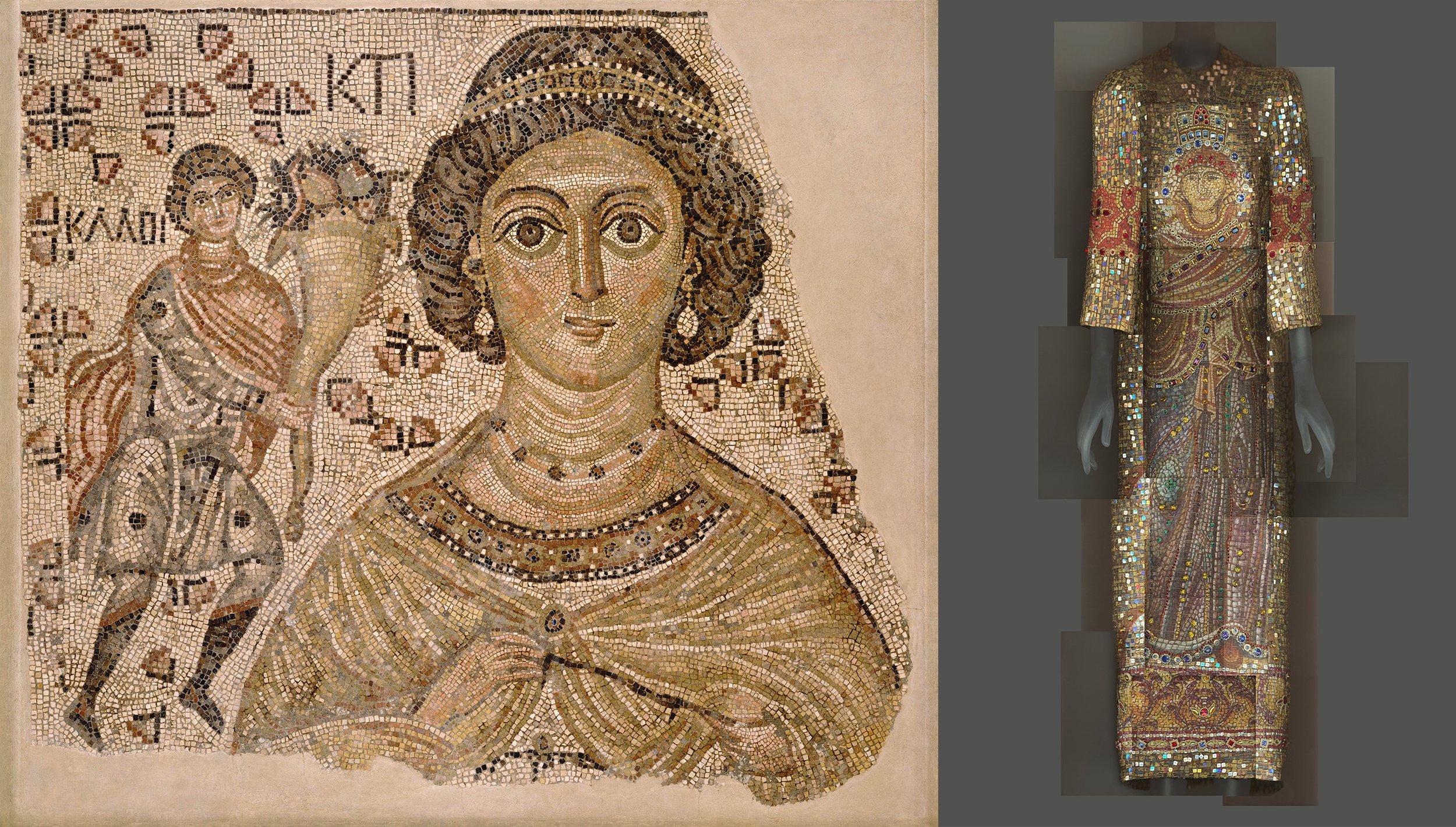
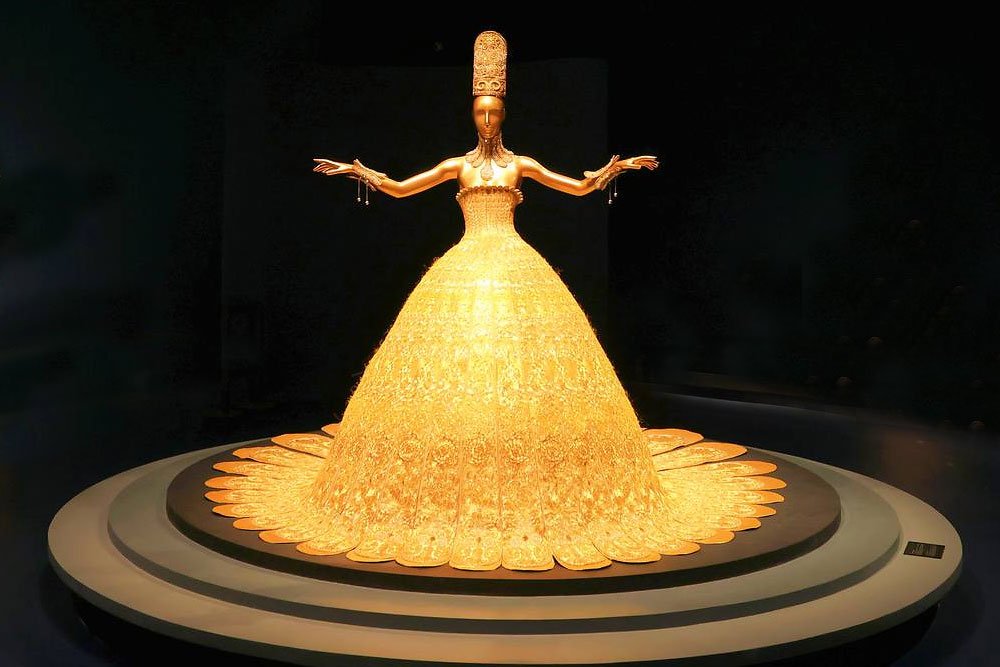
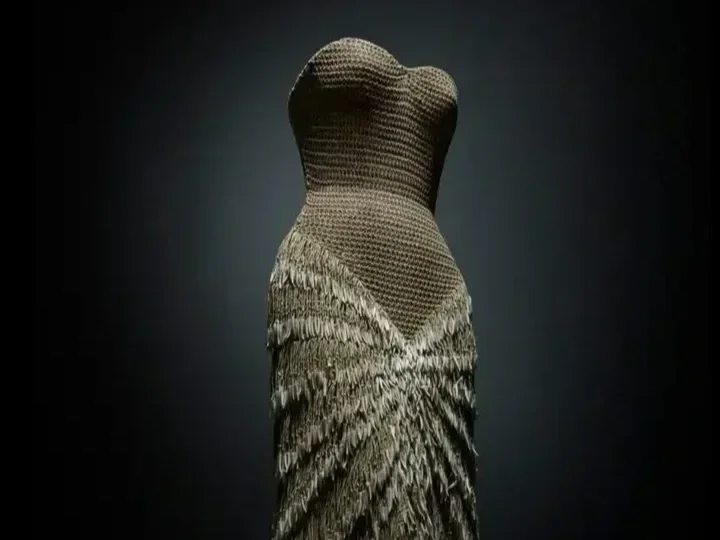
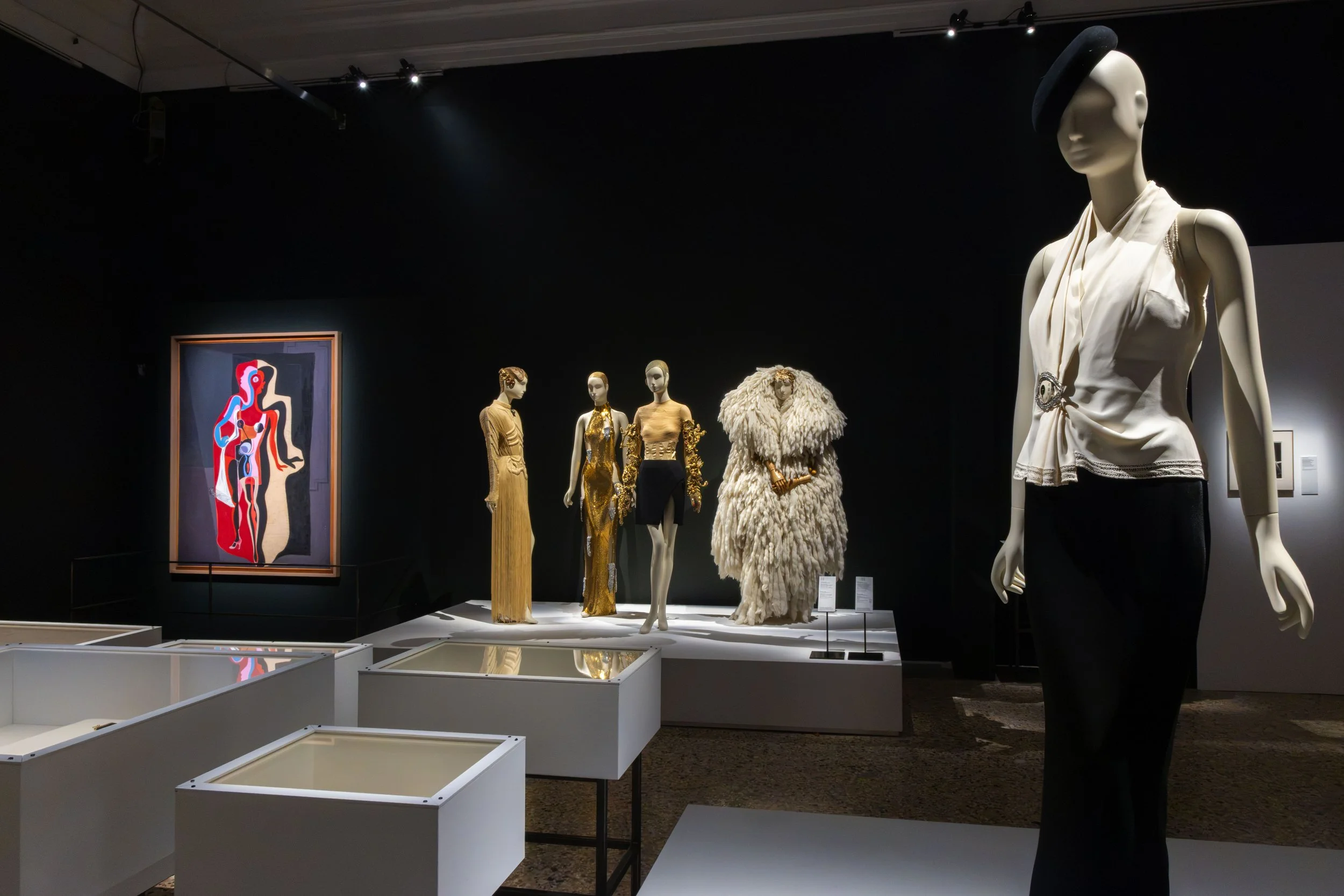
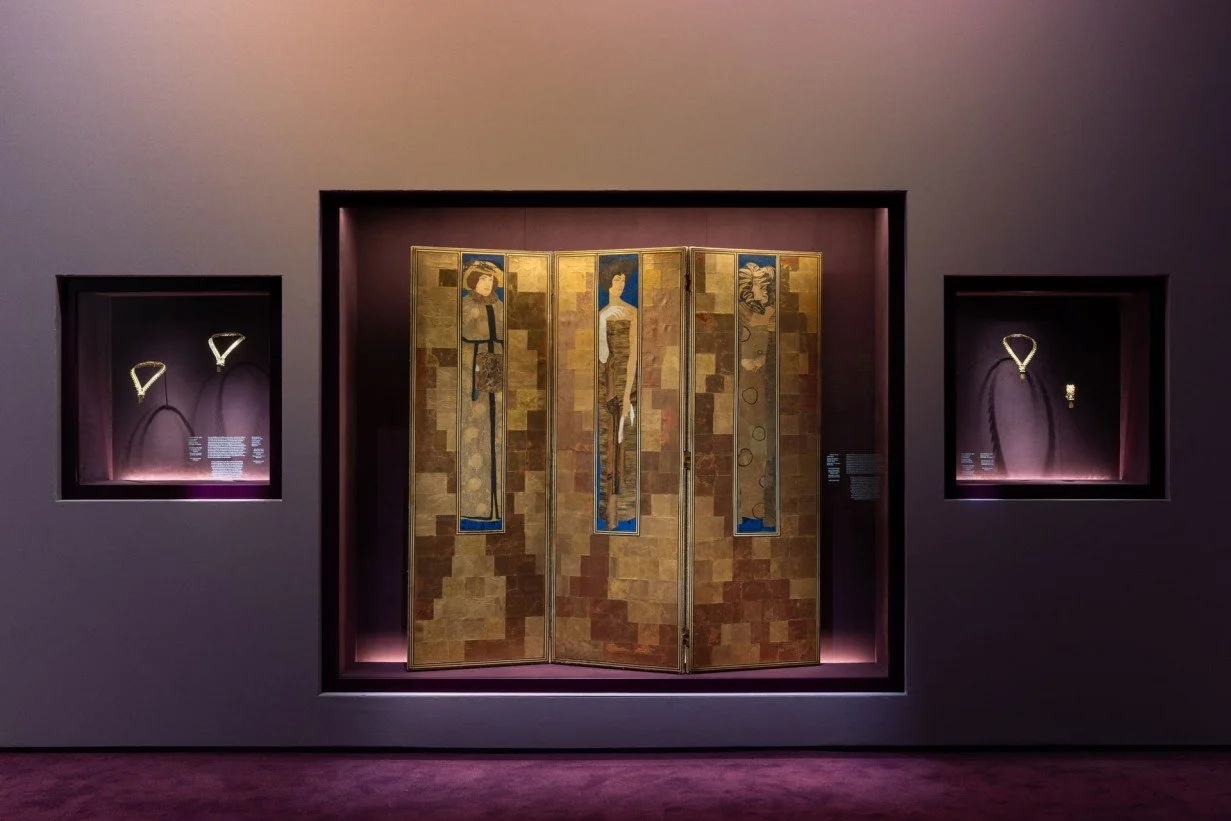
Museums are repositioning fashion as cultural memory — worthy of preservation, interrogation, and the same institutional respect granted to sculpture or painting. From the Met’s new permanent galleries to regional institutions pairing couture with archival materials, the shift is profound: fashion is moving from temporary exhibition to lasting record.
What does it mean when garments demand intellectual engagement, when craft and lineage, rather than trend cycles, shape how we understand clothing? The museum, with its slow gaze and layered curation, is rewriting fashion’s story — not as commerce, but as insight.

The Must-See Fashion Exhibitions in 2027
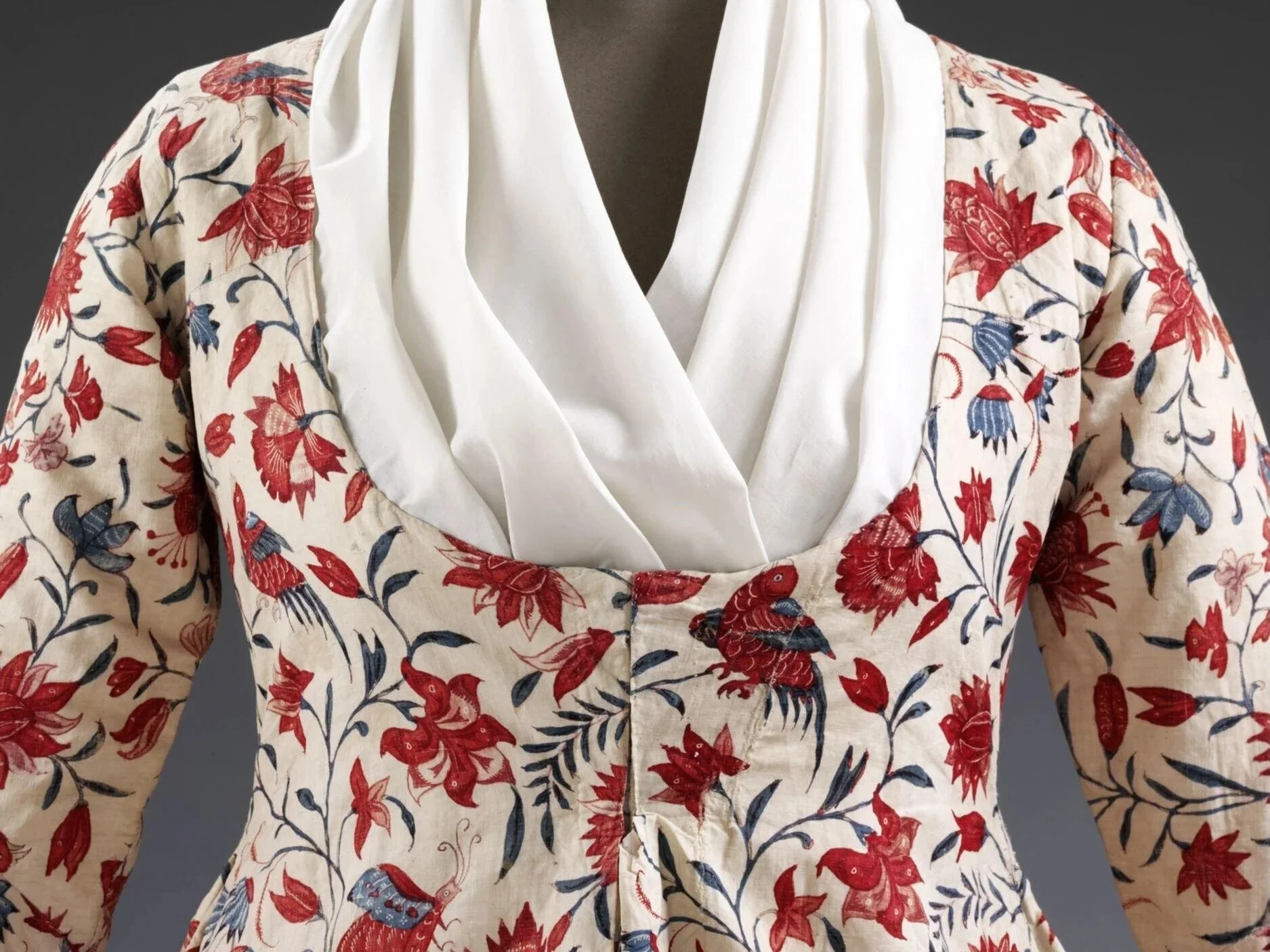
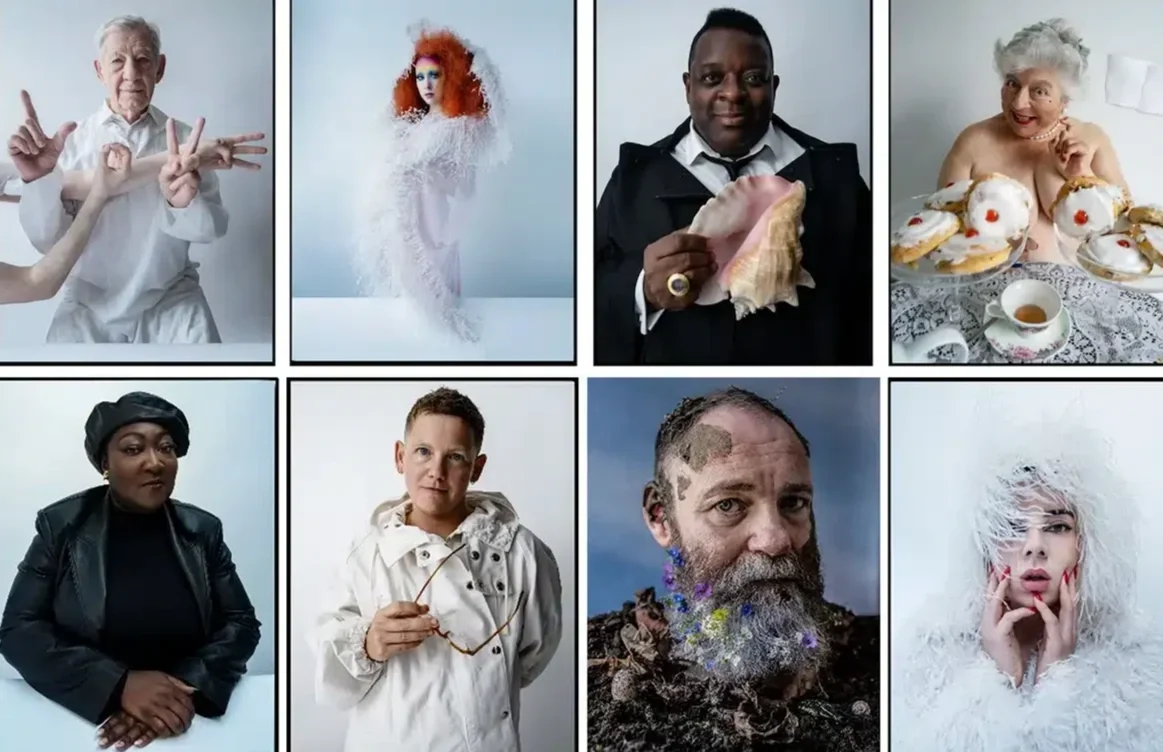
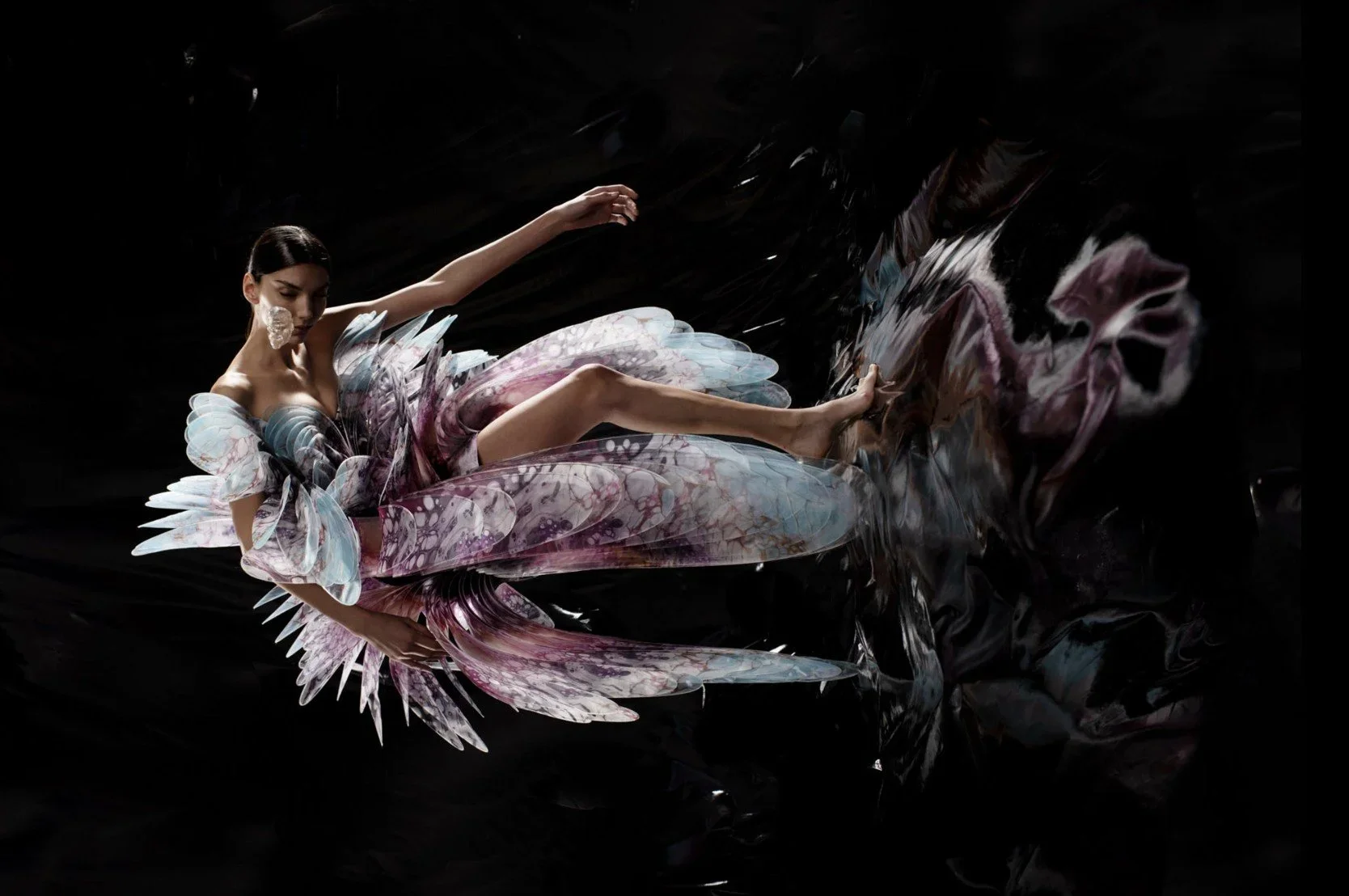
Fashion exhibitions are moving beyond the familiar designer retrospective to examine how clothes are made, collected, worn, and interpreted. Some focus on the influence of literature and music; others examine the history of textiles or the work involved in preserving garments. Museums are increasingly treating fashion not as an isolated category, but as part of a wider cultural history.
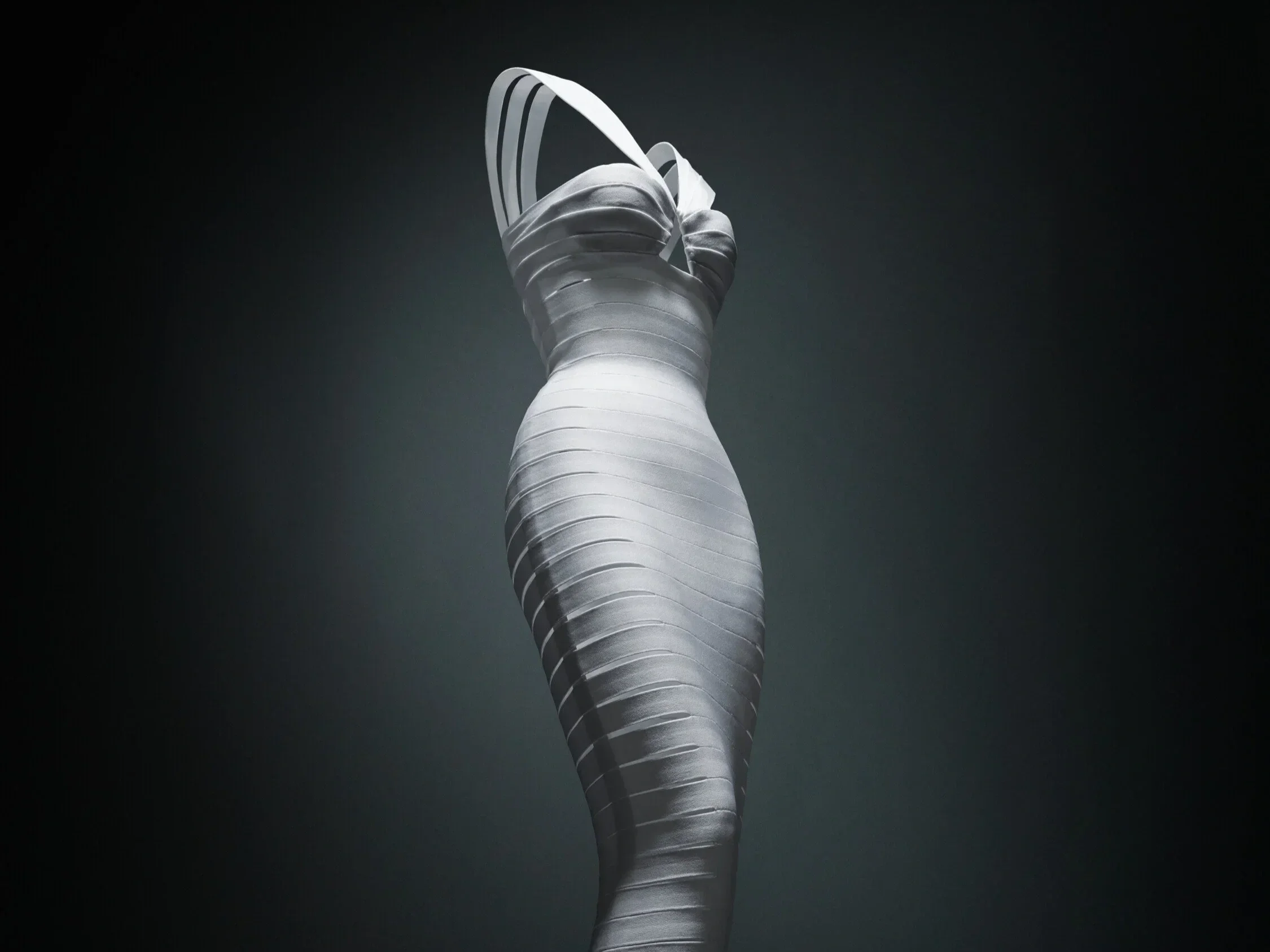
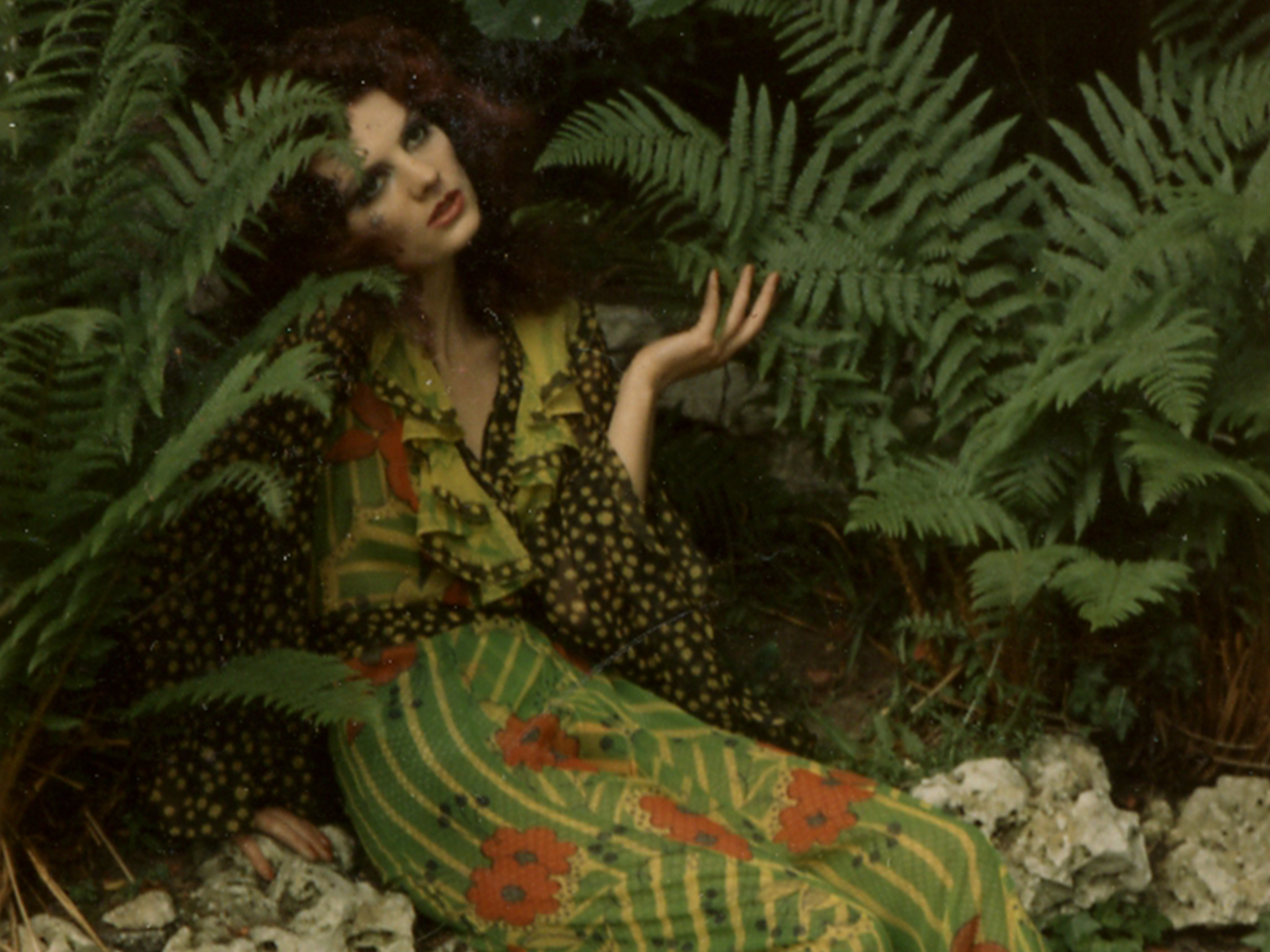
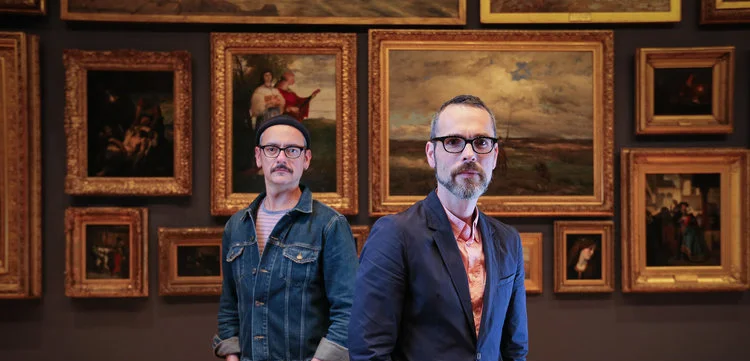
The 2027 calendar reflects that range. Paris has a Viktor&Rolf retrospective, a 50th-anniversary exhibition at the Palais Galliera and the expected reopening of the Musée Yves Saint Laurent Paris. San Francisco and Antwerp take different approaches to Azzedine Alaïa, while London’s exhibitions turn to literature and the music cultures that shaped British style. In Dundee, jewellery takes centre stage in a show devoted to Vivienne Westwood

Exclusive for CoutureNotebook Readers
Complimentary Couture Beading Masterclass with GlowHigh
DISCOVER THE WORLD OF COUTURENOTEBOOK
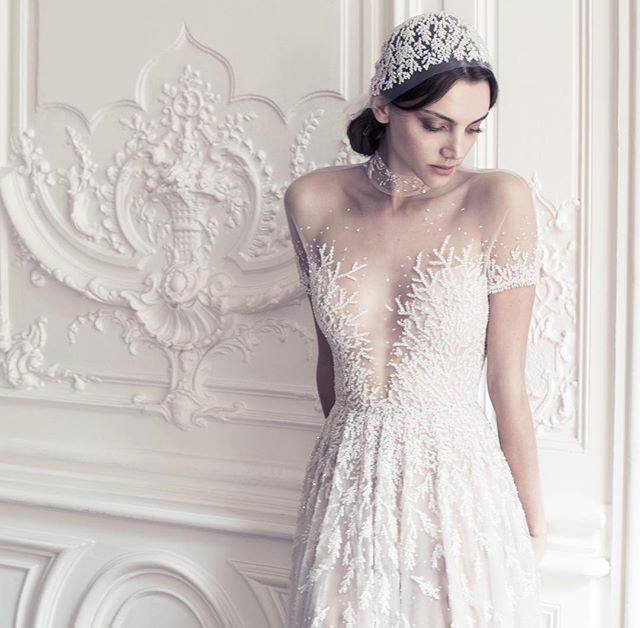
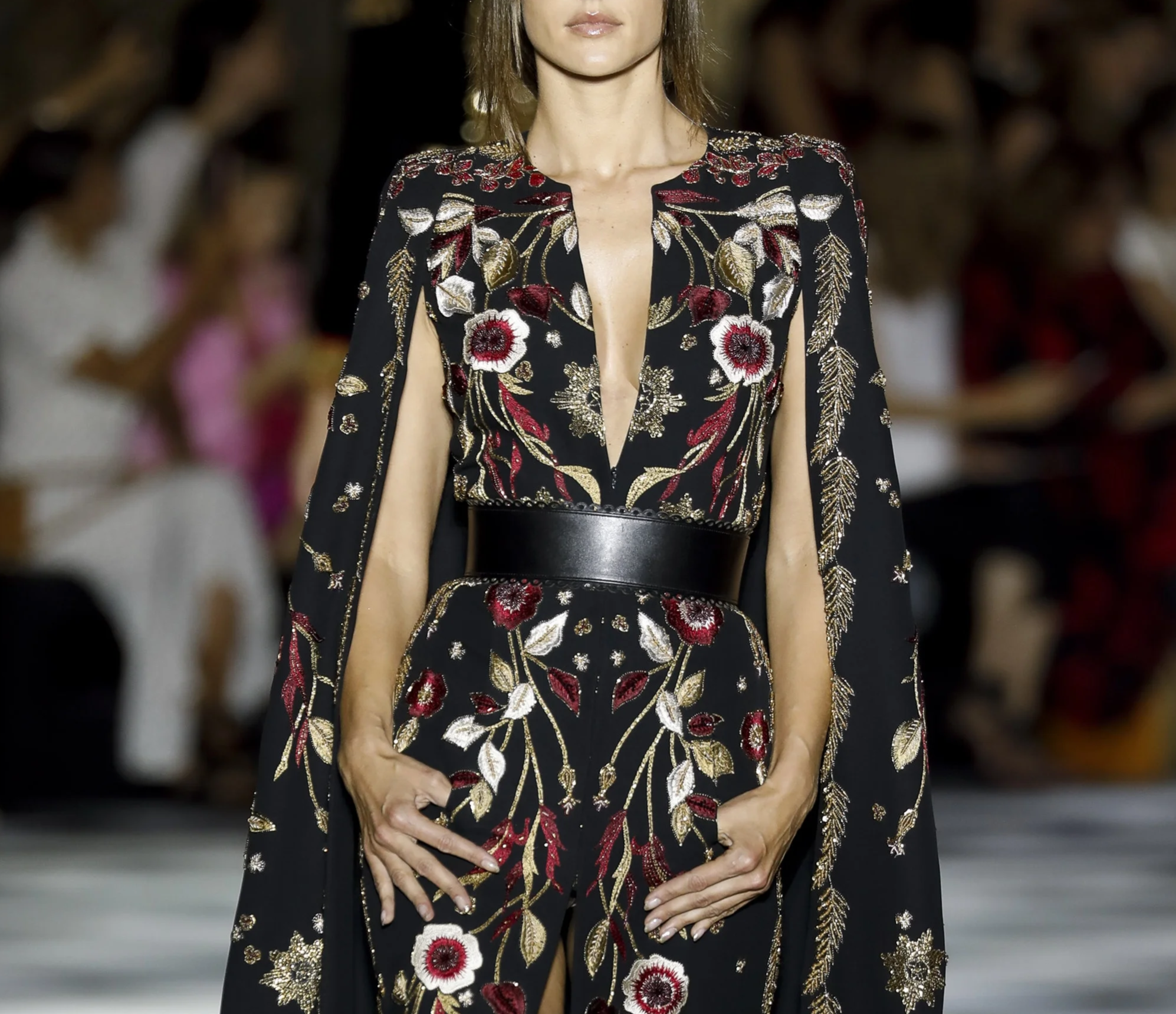
ALL YOU NEED TO KNOW ABOUT HAUTE COUTURE
THE DEFINITION OF HAUTE COUTURE?
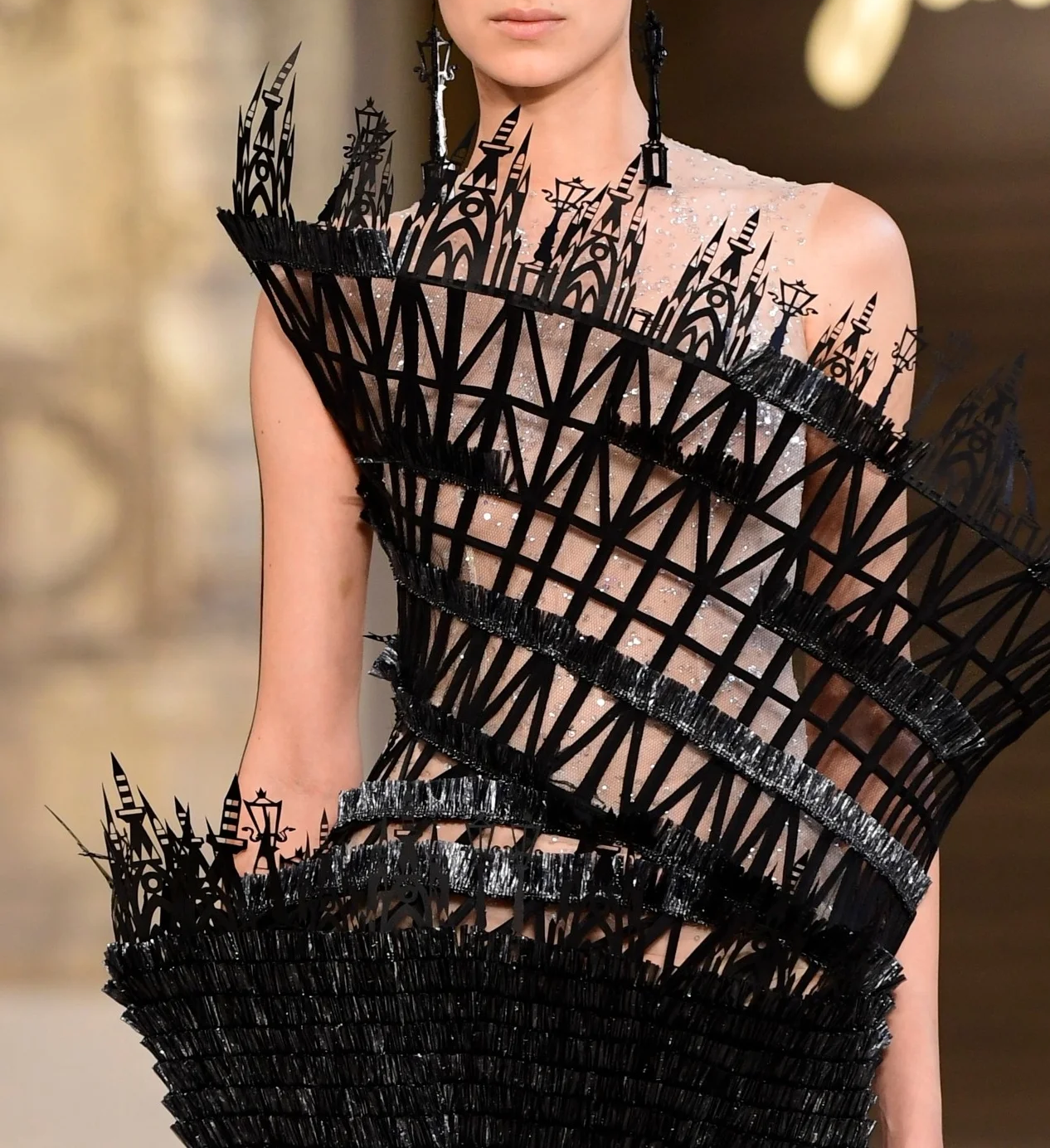
Haute Couture is like Champagne, an “appellation contrôlée” as the French say, which means that the name’s use is rigidly defined, strictly controlled and legally protected since 1945. This means that only fashion brands that have been granted the designation by the French Ministry of Industry can actually use it (though plenty of brands are using the term .rather liberally)
The brands that enjoy the Haute Couture label are reviewed annually and judged on whether they create made-to-order dresses and other garments for private clients, whether they have an atelier in Paris employing at least 15 people and whether they are presenting collections twice a year with a minimum number of outfits.