Interview with Julien Fournié - Couture Without Conformity
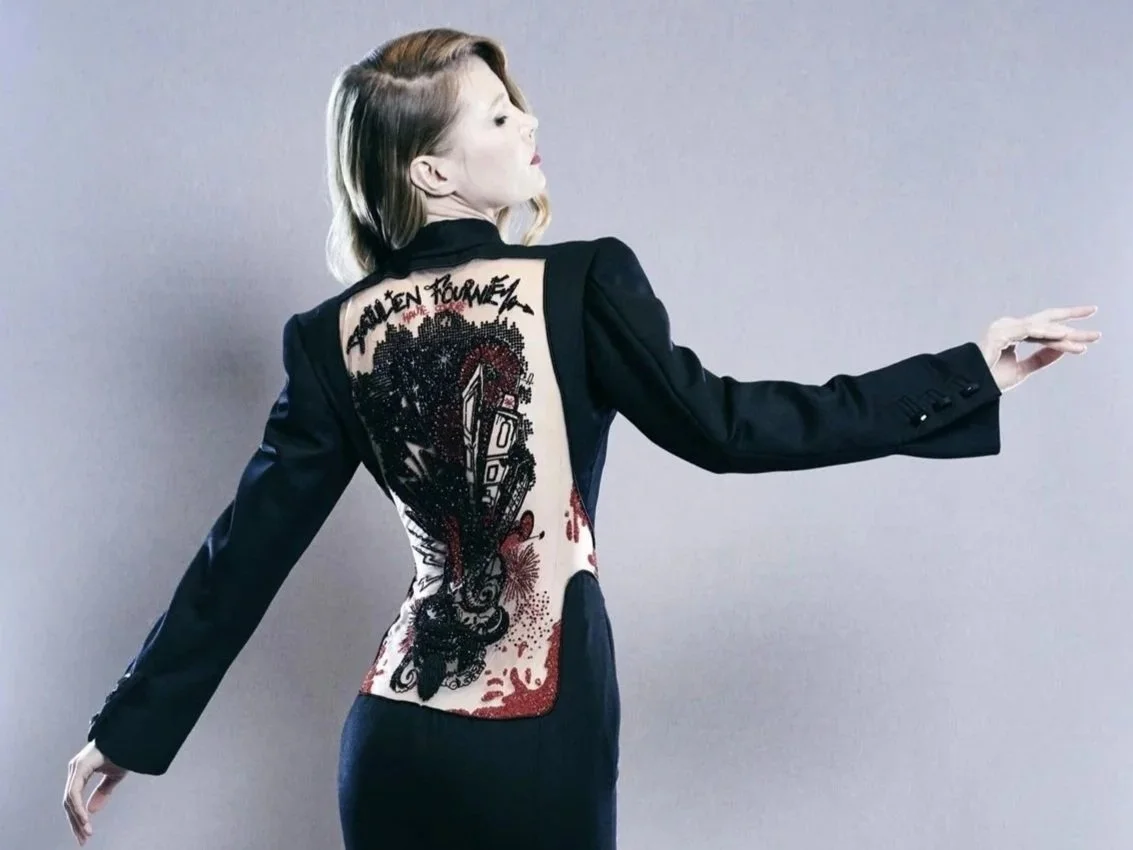
Individuality requires courage. Impertinence requires conviction. Julien Fournié brought both to Salle Gaveau this season.
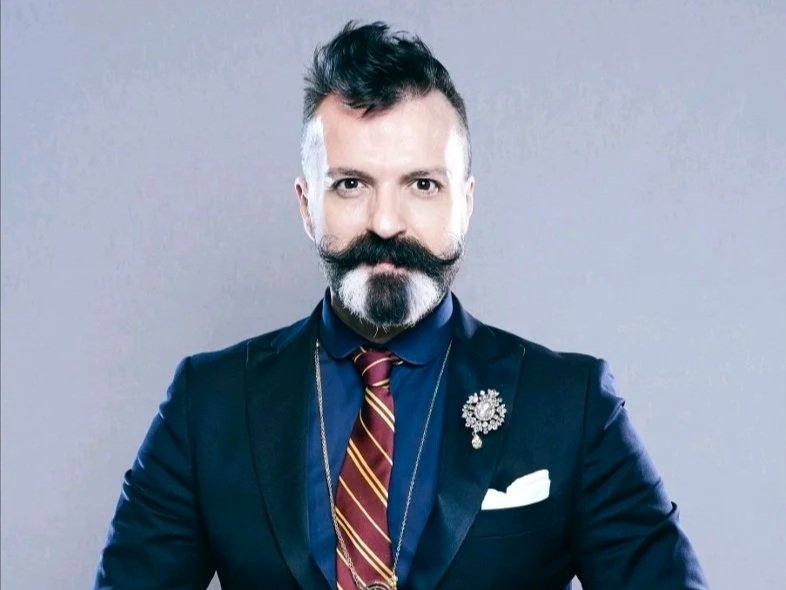
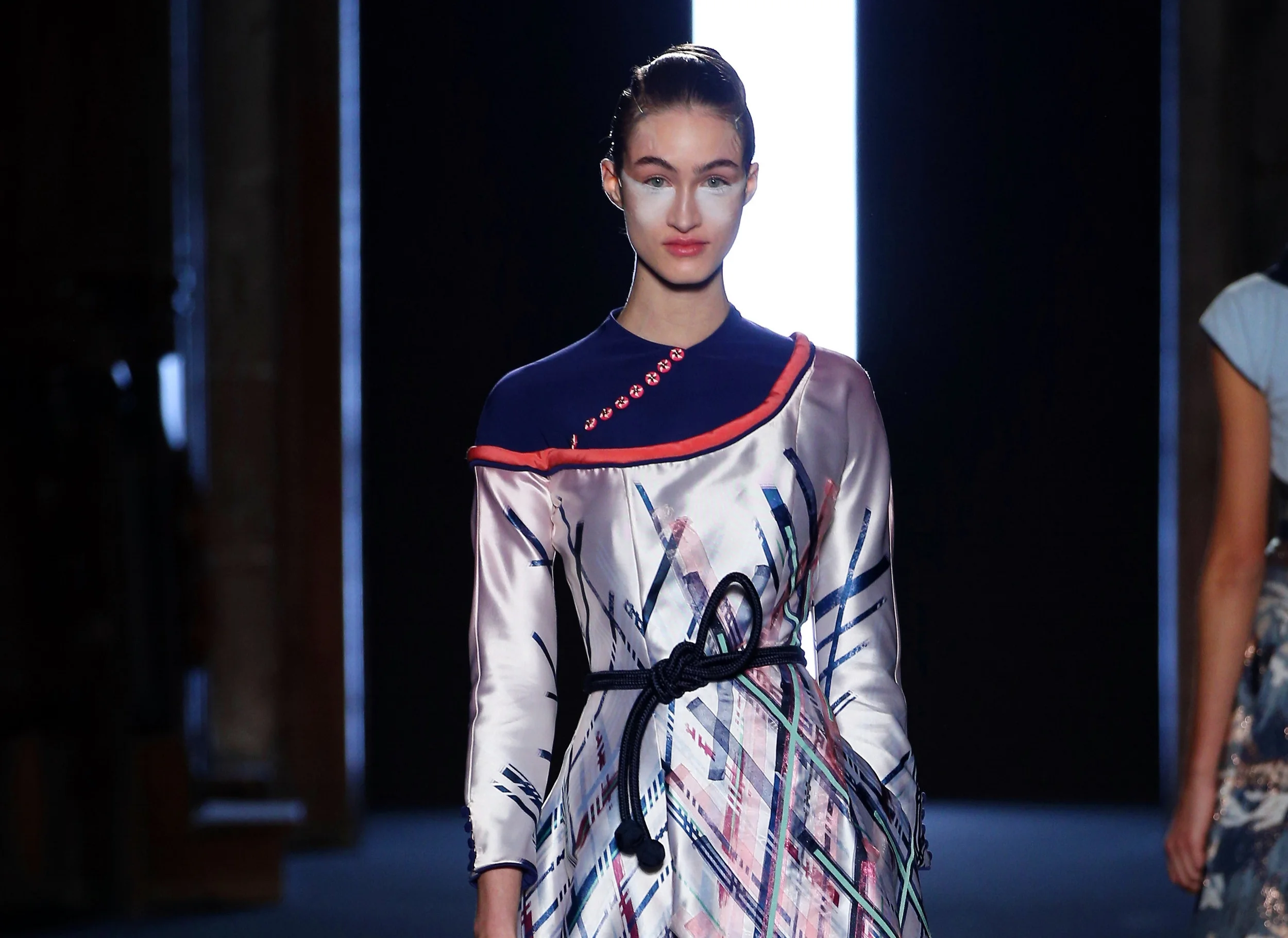
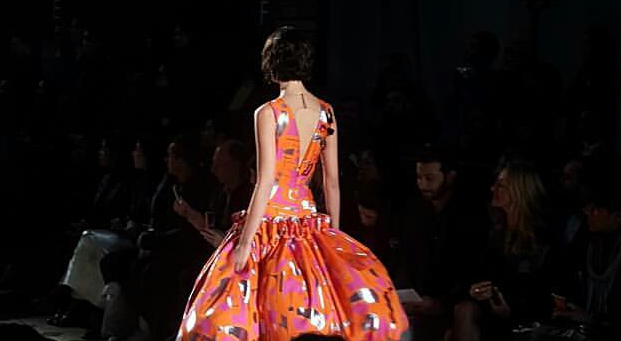
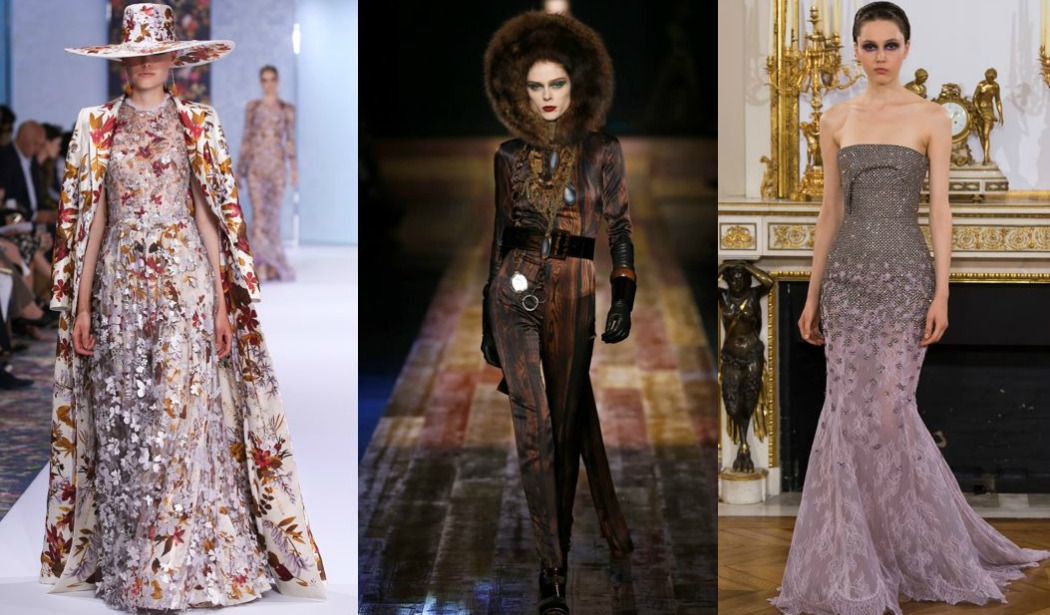
In a couture week largely defined by exquisite repetition — perfect gowns, impeccable embroidery, reassuring beauty — Fournié offered dissent. His Spring/Summer 2026 collection, First Misfits, did not seek harmony with the prevailing mood. It stood deliberately apart from it. "I don't like trends. I like creating personalities and characters. That is the essence of haute couture," the designer told Couturenotebook.
It is a provocative statement — particularly in an industry obsessed with trends. But for Fournié, the word "mode" has become synonymous with "trend," and that, he argues, is precisely the problem. In his view, couture should resist this fragmentation. "Haute couture is there to bring people together. It is not there to give trends."
"What interests me in fashion, honestly, is a societal, almost political vision," Fournié adds. "I learned with Jean-Paul Gaultier and Thierry Mugler. They had social discourse — about freedom, about differentiation, about non-communitarianism."
The lineage is telling. Like his mentors, Fournié treats the runway as a space for argument as much as adornment — a place where clothes do not simply flatter the eye, but stake a position.
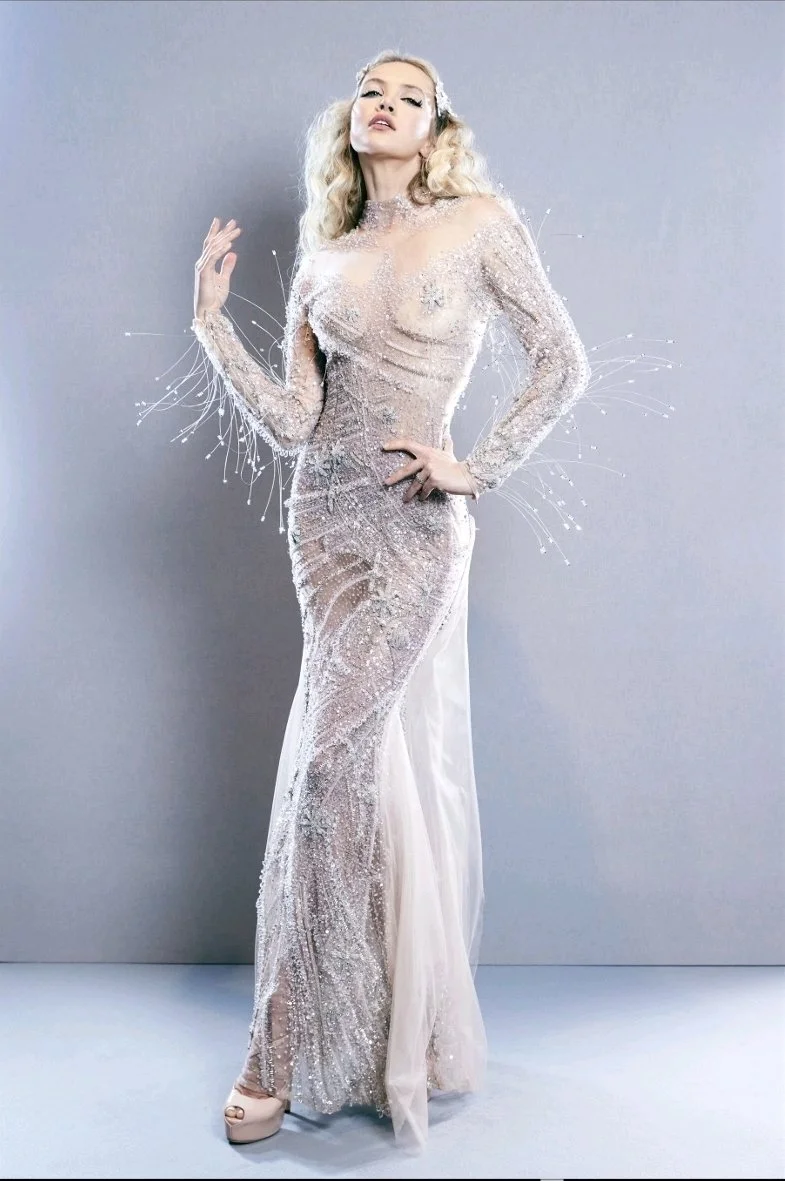
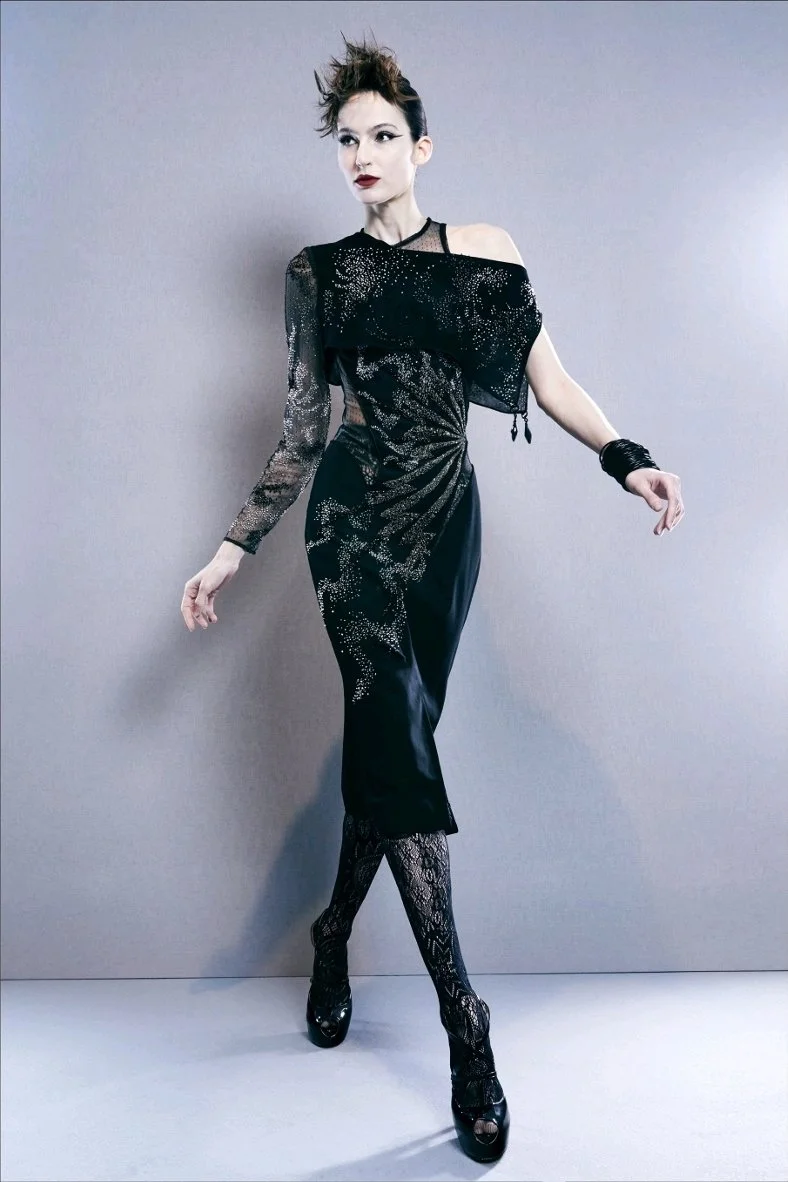
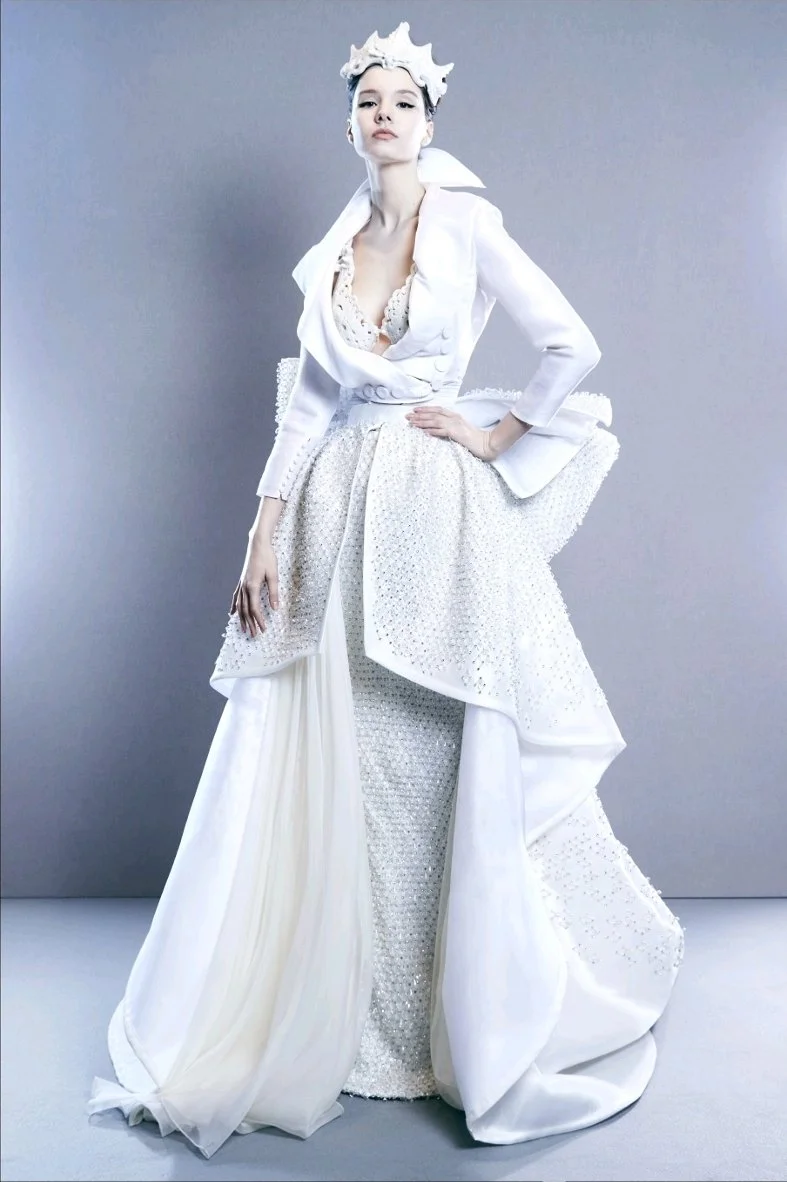
His Spring 2026 collection, First Misfits, reads as both autobiography and social commentary. Fournié recalls being bullied in his youth for being different — sheltered at home, yet exposed outside. Later, commuting from the northern suburbs of Paris to the Dior atelier where he worked under John Galliano, he experienced what he describes as a daily cultural collision: street kids and office workers on the metro giving way to the sudden “theatrical aristocracy” of the couture world he entered each morning. “I adored that mix of cultures we had in the ’90s and 2000s,” he says. “That’s what I wanted to show.”
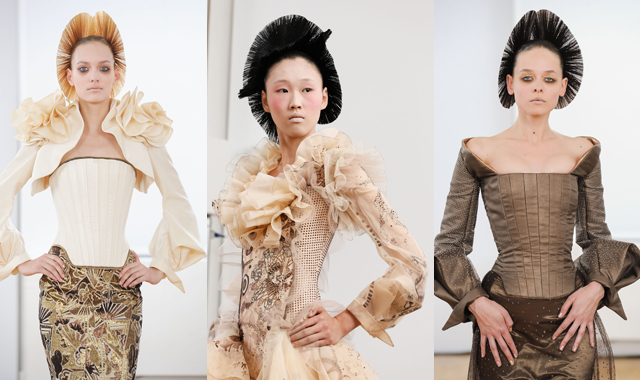
On the runway, those memories crystallised into archetypes. Beneath the theatricality, however, lay discipline. This was a sharper, more controlled Fournié. “It’s very much about cut and craftsmanship,” he explained, adding, “The older I get, the more I focus on cut. I’m careful not to add too much embellishment — otherwise you don’t see it.”
Still, he did not entirely renounce ornament. With embroiderer Amman Shaikh, ancestral Indian techniques were reimagined as crystalline graffiti — constellations and nebulae pulsing across tulle and organza.
The bridal finale, Alabaster Bride, shimmered with 6,700 Swarovski crystal droplets and a sculpted bra carved from Carrara marble by André Tognotti — hollowed by hand and as light as lace.
A couturier, Fournié insists, is not simply a designer but an artist. “A couturier is like a painter, like a musician, like an architect. He reflects his society.”
In an era when many houses seek relevance through sustainability narratives or commercial pragmatism, Fournié chooses expression. He rejects the cycle of wardrobe obsolescence and aesthetic conformity, returning couture to its essential promise: not blending in, but standing apart.
DISCOVER MORE ABOUT JULIEN FOURNIE