The 18th Century Returns: From Marie Antoinette to Dior

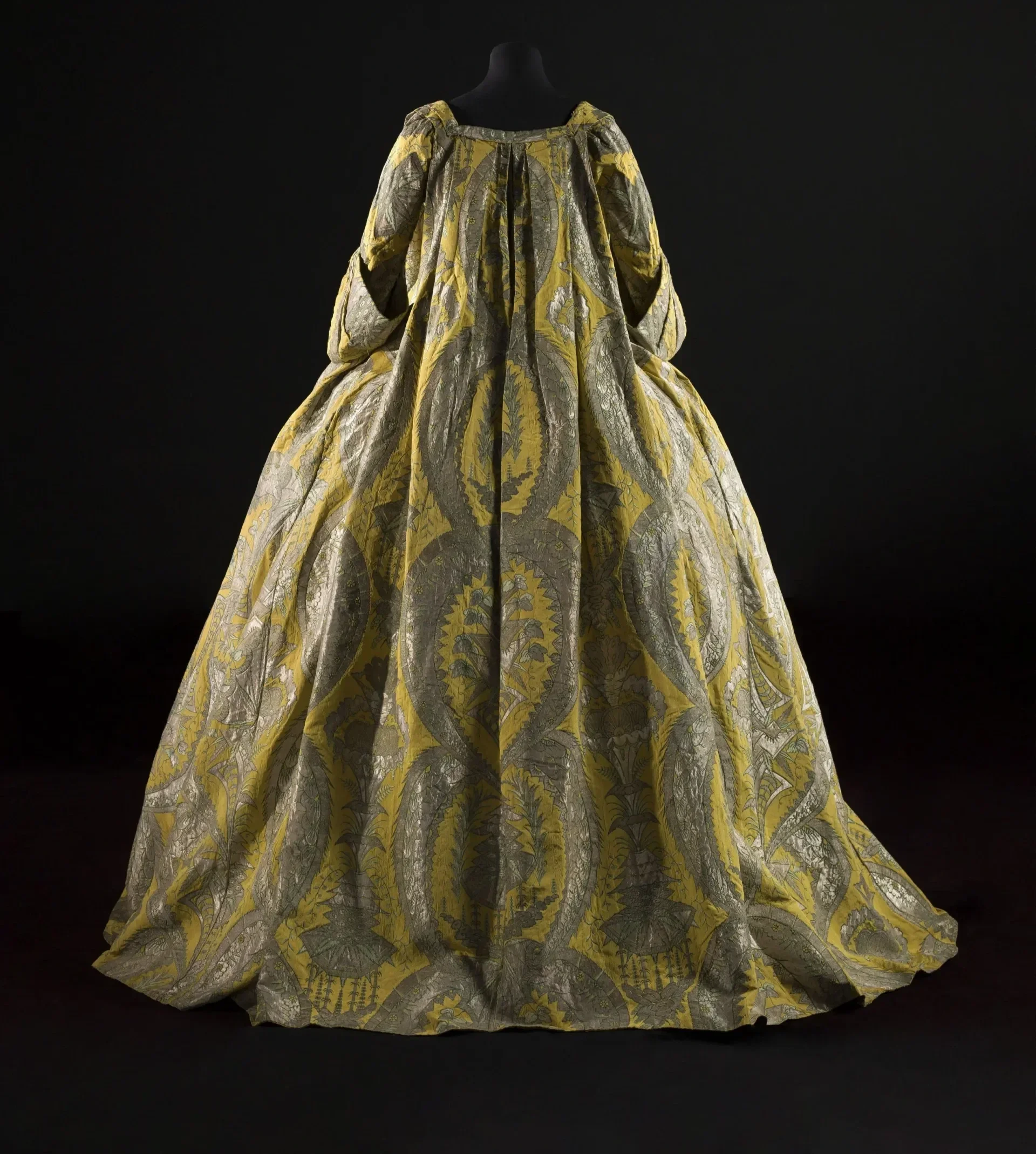
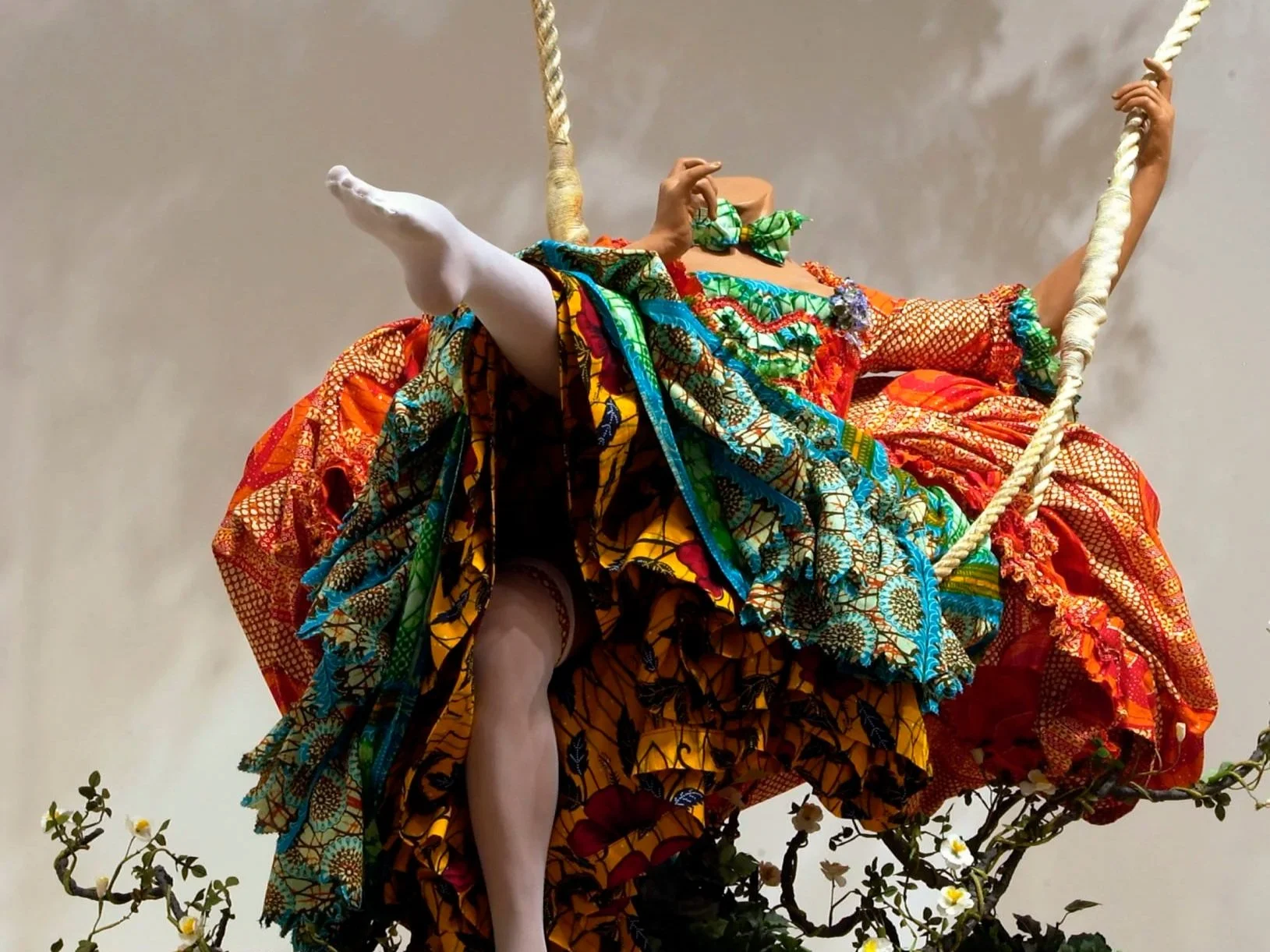
The eighteenth century refuses to stay in the past. DIOR’s Spring/Summer 2026 collection featured skirts with exaggerated hip volume — not literal panniers, but close enough to recall them. Recent exhibitions have returned obsessively to Marie Antoinette's wardrobe. The period's codes — architectural silhouettes, embroidered excess, theatrical construction — keep resurfacing on contemporary runways, less as historical homage than as visual shorthand for a particular kind of luxury.
The Palais Galliera's Fashion in the 18th Century. A Fantasized Legacy, opening in March, asks why.
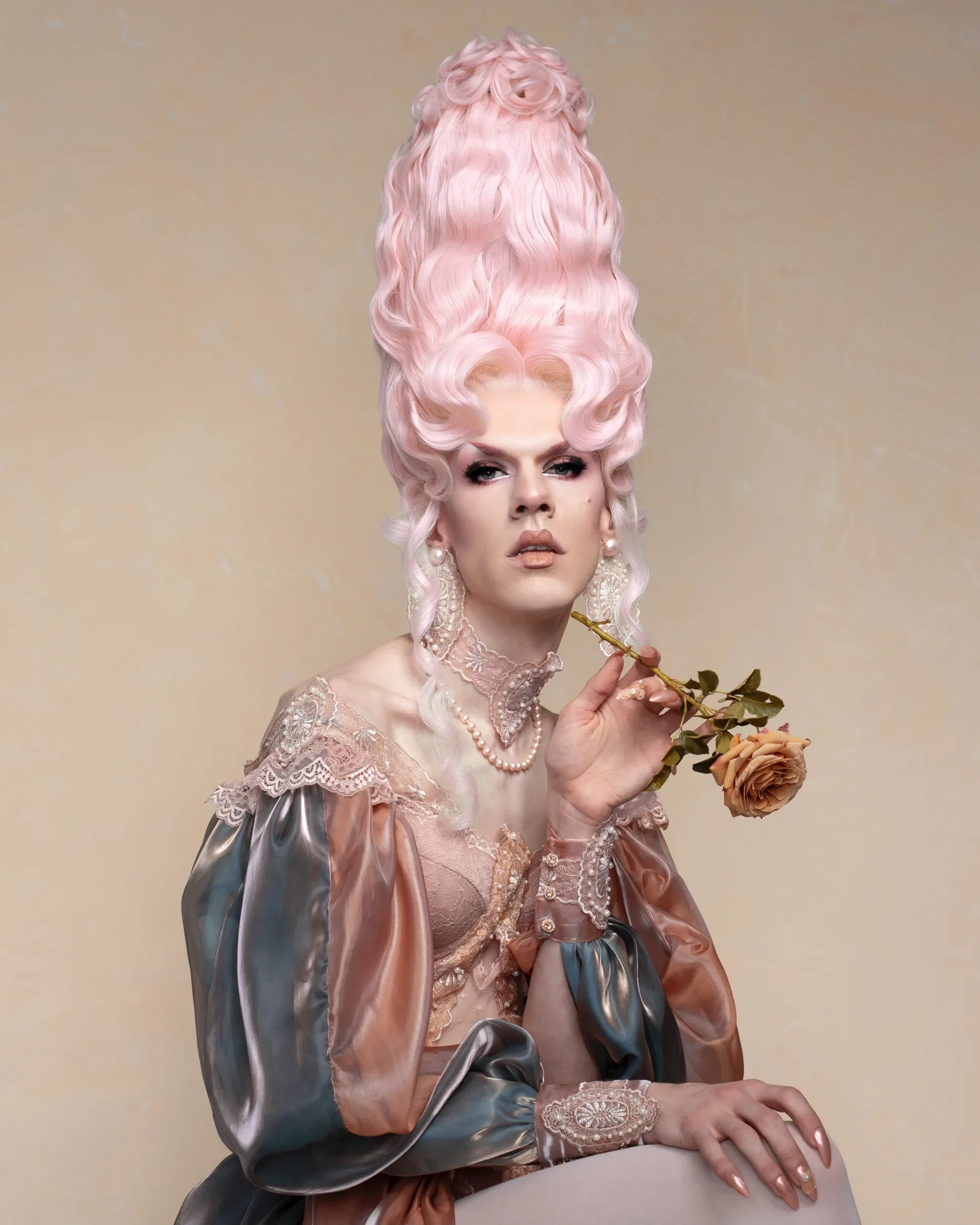
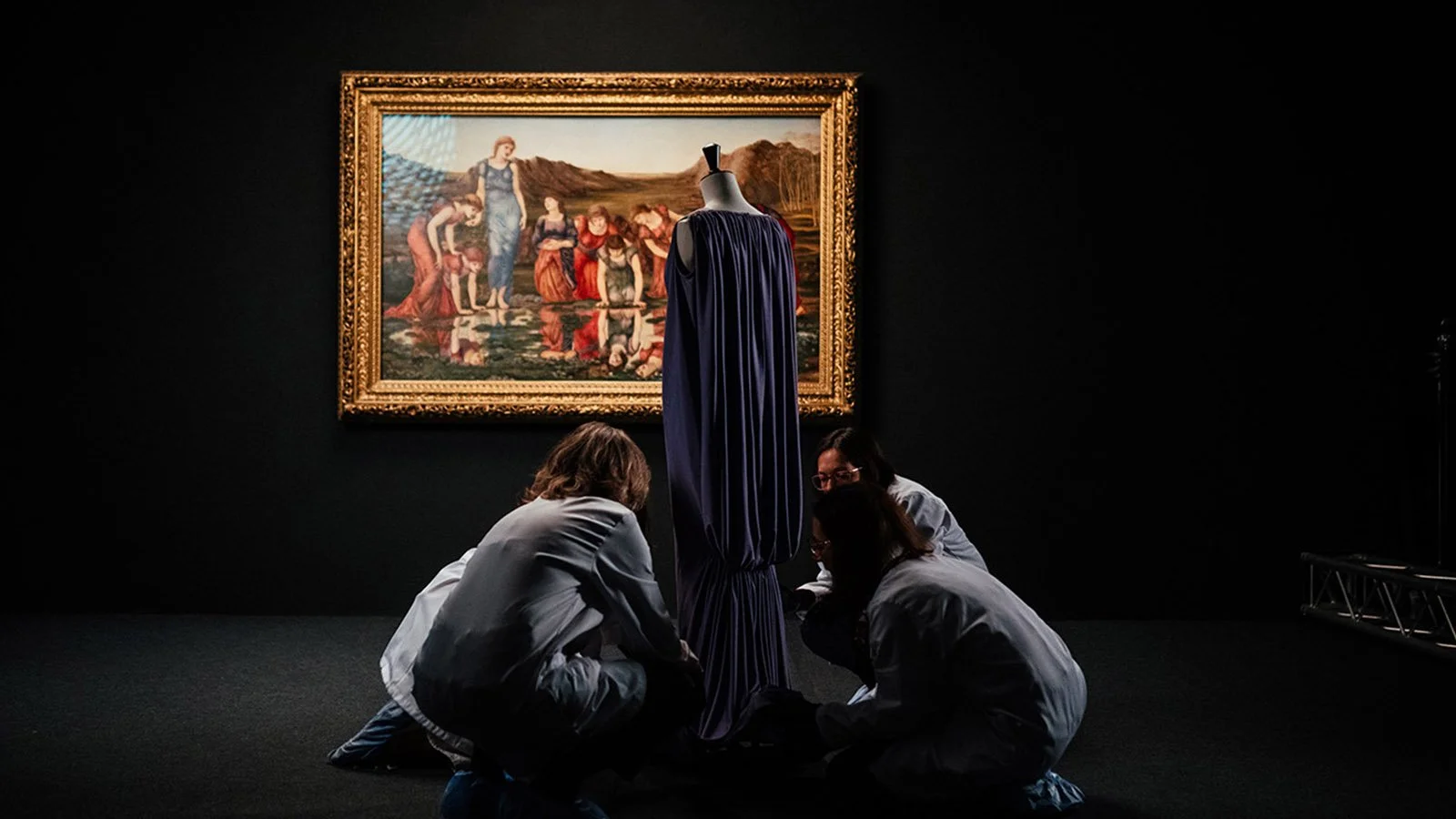
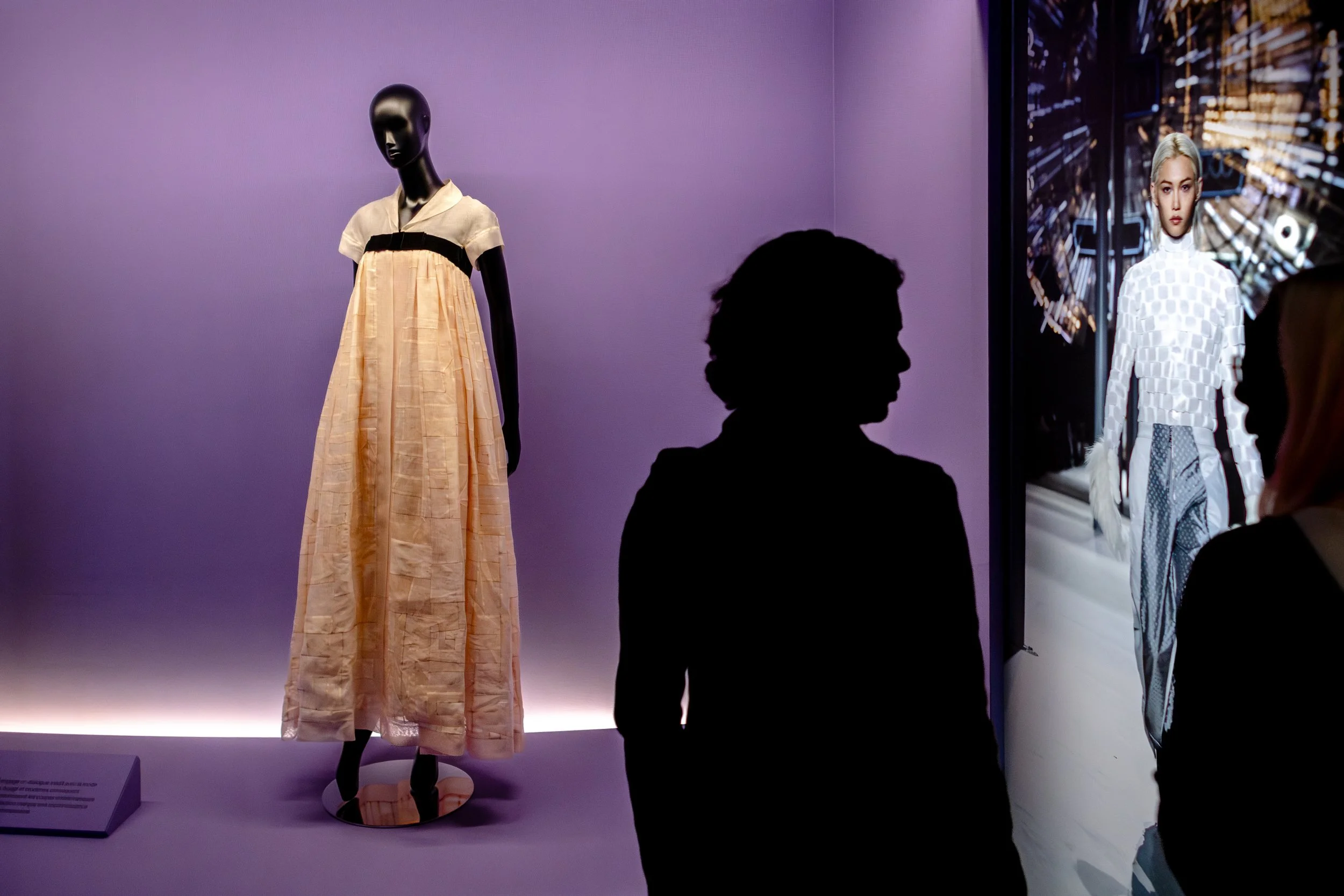
The exhibition will assemble over seventy garments spanning three centuries, tracing how Enlightenment-era dress has been borrowed, idealized and reinvented.
Among the pieces: a corset attributed to Marie Antoinette, so fragile it's rarely shown. Its presence alone suggests the show's intent — not simply to display costume, but to examine how fashion mythologizes certain pasts over others.
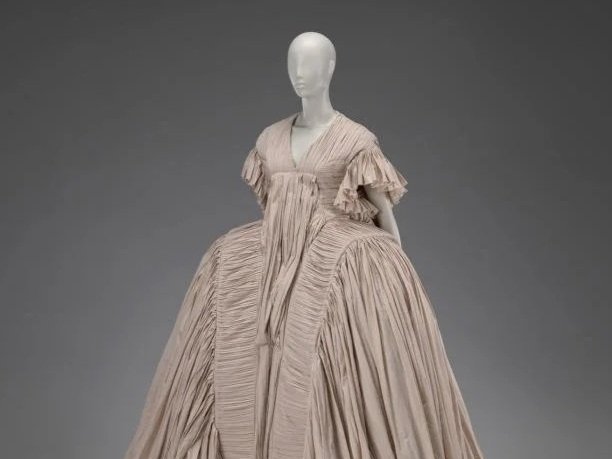
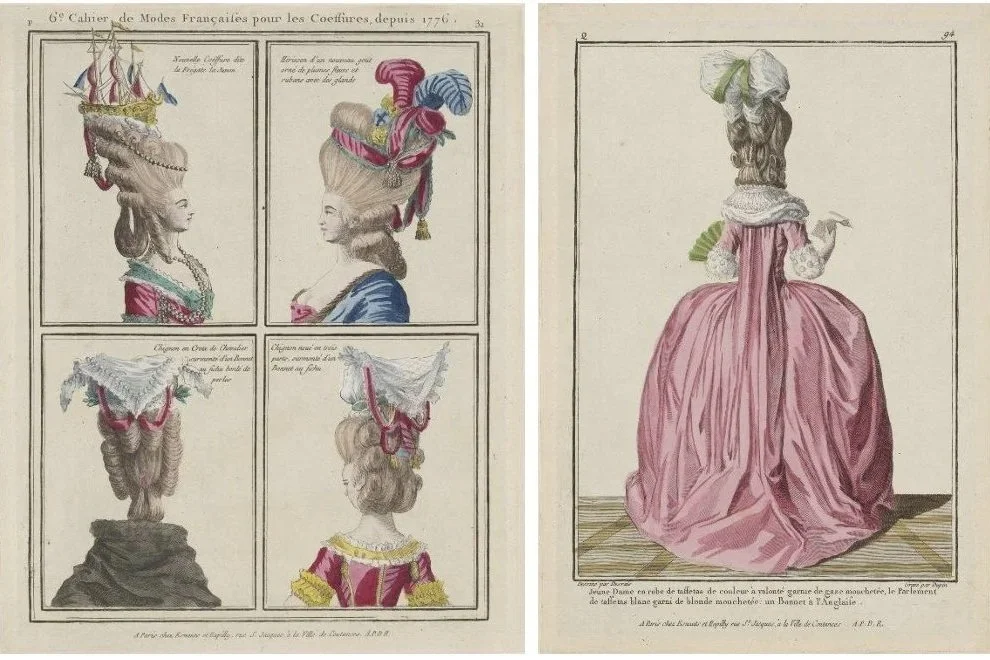
The eighteenth century earned its reputation. Panniers extended skirts into geometric volumes that required architectural accommodation. The robe à la française transformed the body into a canvas for silk, embroidery and social signalling. Coiffures rose impossibly high, dressed with ribbons, feathers, even miniature ships. This wasn't restraint — it was performance codified.
But the century's real innovation was structural. It marked the end of Renaissance dress conventions and opened a new conversation about the female form. Corsets became instruments of engineering. The body was flattened, extended, reshaped in ways that would echo through every subsequent fashion revival. What contemporary designers return to isn't just the visual drama, but the underlying audacity — the idea that clothing could radically reconstruct appearance.
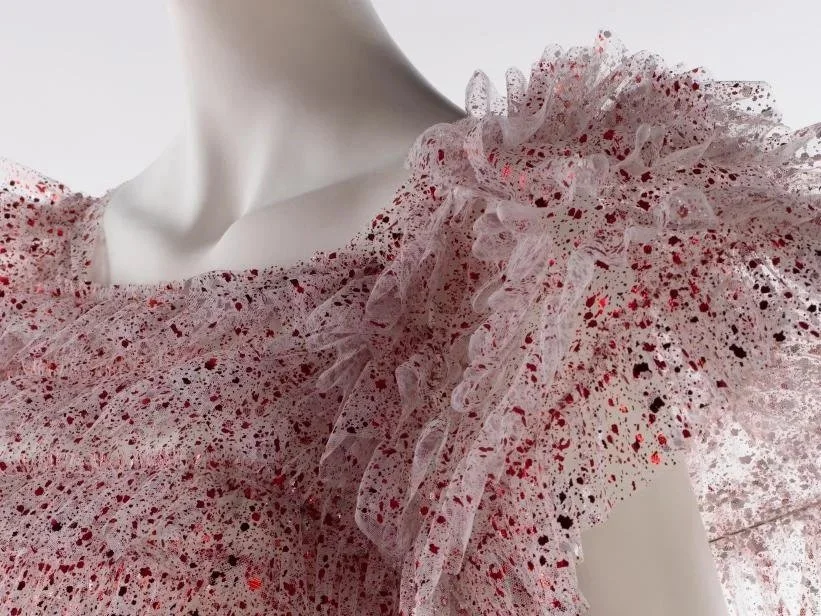
The Galliera exhibition will juxtapose period garments with later interpretations from CHANEL, DIOR, Christian Lacroix, Vivienne Westwood, Louis Vuitton and Dries van Noten. The comparison should reveal how flexible these codes have become. Post-Second Empire couture leaned on Enlightenment aesthetics to evoke refinement and lost elegance. Postwar French houses returned to eighteenth-century techniques to assert craft in an expanding market. Today, the references flirt with camp, kitsch, even queer reinterpretation — the aesthetic loosened from its aristocratic origins and available for play.
What the exhibition promises to clarify is whether these returns constitute genuine dialogue or nostalgic repetition. Fashion has always recycled its past, but the eighteenth century gets recycled more than most. Perhaps because its excesses feel safely distant enough to romanticize, or perhaps because panniers and corsets remain among fashion's most recognisable structural gestures — forms that, even when simplified or subverted, still carry visual weight.
The exhibition will run 14 March – 12 July 2026, Palais Galliera, Paris