Gainsborough's Portraits, Dressed to Impress
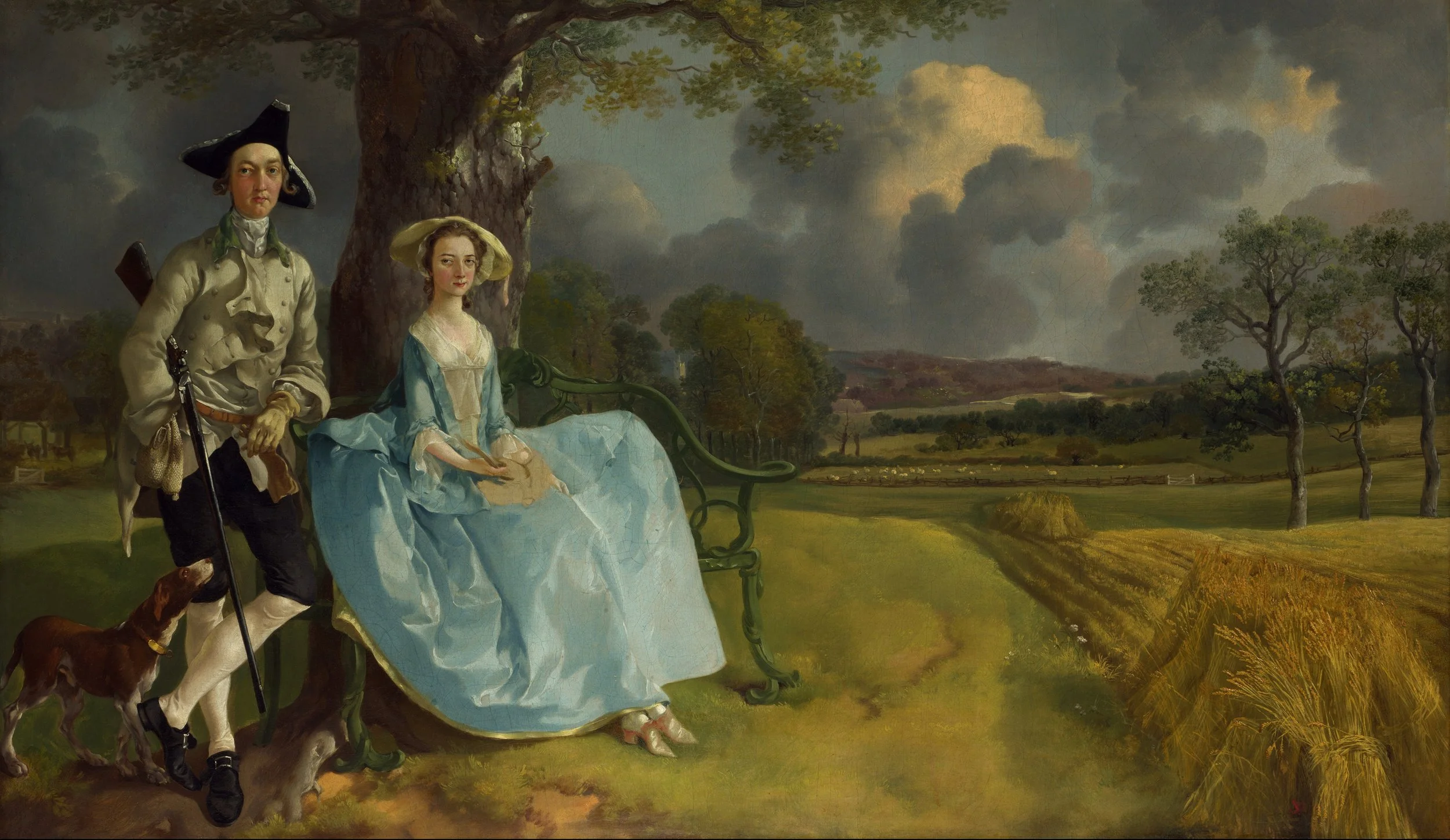
“Mr and Mrs Andrews,” ca. 1750, The National Gallery, London
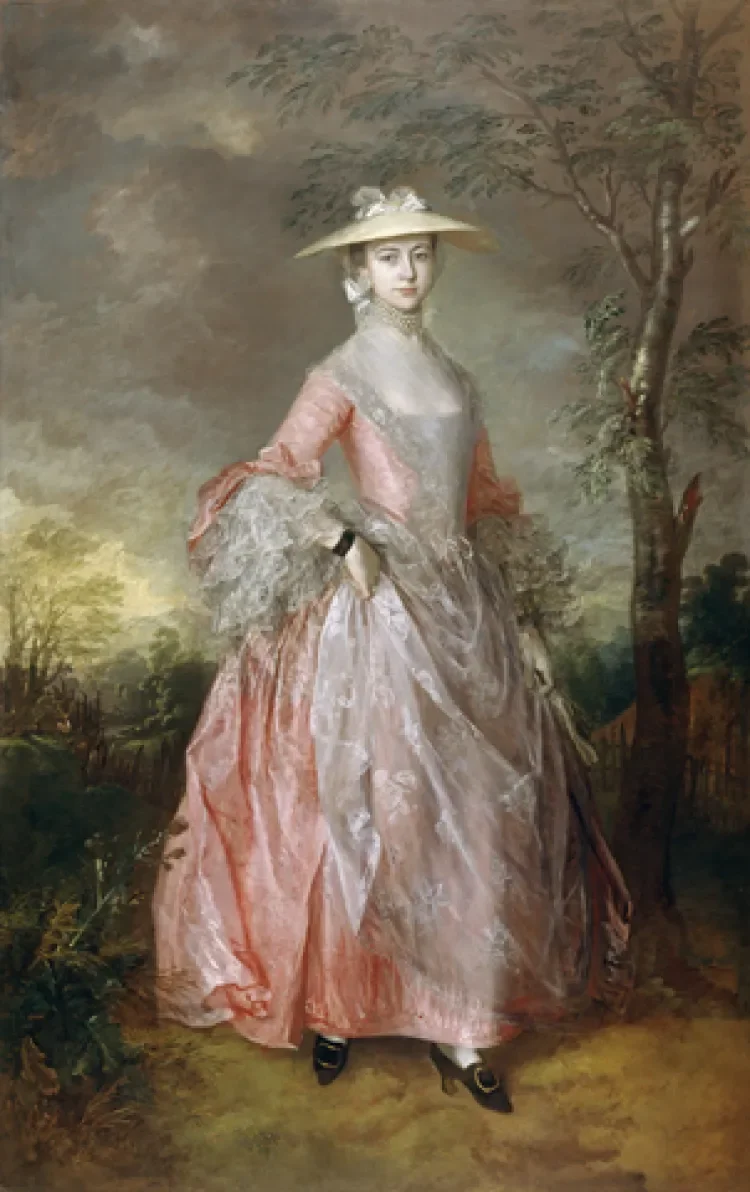
“Mary, Countess Howe,” ca. 1763-64, English Heritage, Kenwood House, London
In the eighteenth century, clothing spoke before its wearer did. A silk gown, a lace cuff, the cut of a coat: each detail declared who you were, who you hoped to be, and whether the world would believe it. Thomas Gainsborough understood this instinctively. His portraits do more than capture faces—they capture the work that dress was doing.
From February 12 to May 25, 2026, The Frick Collection presents Gainsborough: The Fashion of Portraiture, exploring not just the garments he painted, but how his canvases both shaped and were shaped by the culture of fashion itself.
The exhibition moves through his career, revealing how clothing’s meaning shifted with context and ambition. In early “conversation pieces” like Mr. and Mrs. Andrews (above), attire settles into the landscape, quietly affirming property and privilege. Later portraits become more assertive: naval uniforms gleam with gold braid, women’s gowns negotiate ornament and respectability, and the newly titled wear rank like armor. Mary, Countess Howe (right) reads as a meticulous inventory of aristocratic arrival.
But Gainsborough also painted those outside the Georgian inner circle. Ignatius Sancho, born into slavery and later celebrated as a composer, wears a gentleman’s coat and waistcoat rather than servant’s livery. The choice is deliberate: through dress, Gainsborough grants dignity, imagining a social identity the world had yet to sanction.
Technical analysis shows how closely his practice mirrored fashion itself. He revisited canvases years later, updating garments to reflect new styles or personal transformation. Pigments echo textile dyes; a single highlight conjures jewellery. Each portrait is constructed, deliberate, alive.
At the Frick, Gainsborough emerges not merely as a painter of elegance but as a chronicler of reinvention. Fabric and paint, ambition and brushwork, collaborate to define how a life is seen and judged.
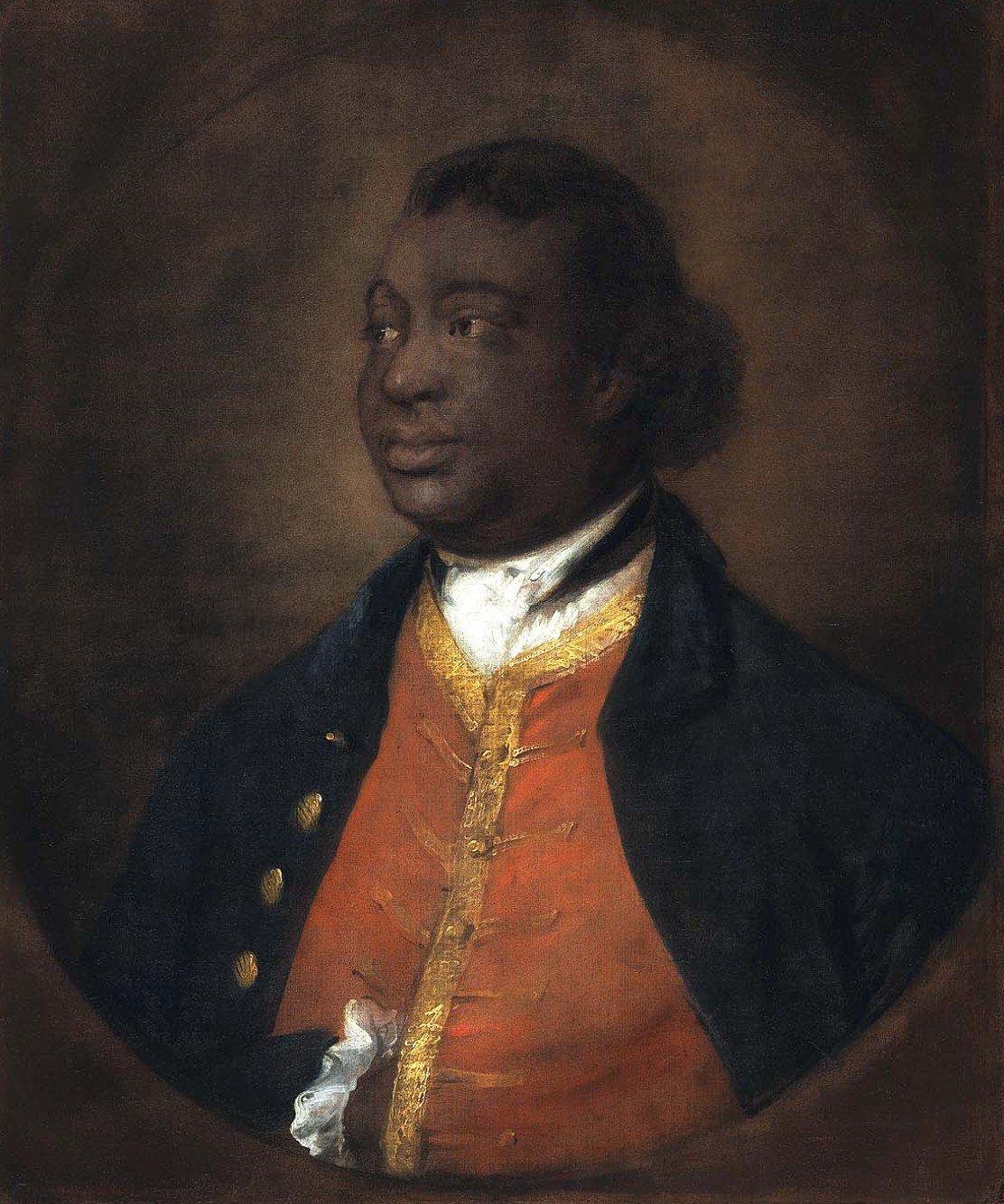
“Ignatius Sancho,” 1768, National Gallery of Canada, Ottawa.