Ruffles & Ribbons: When Engravers Were the Original Fashion Editors
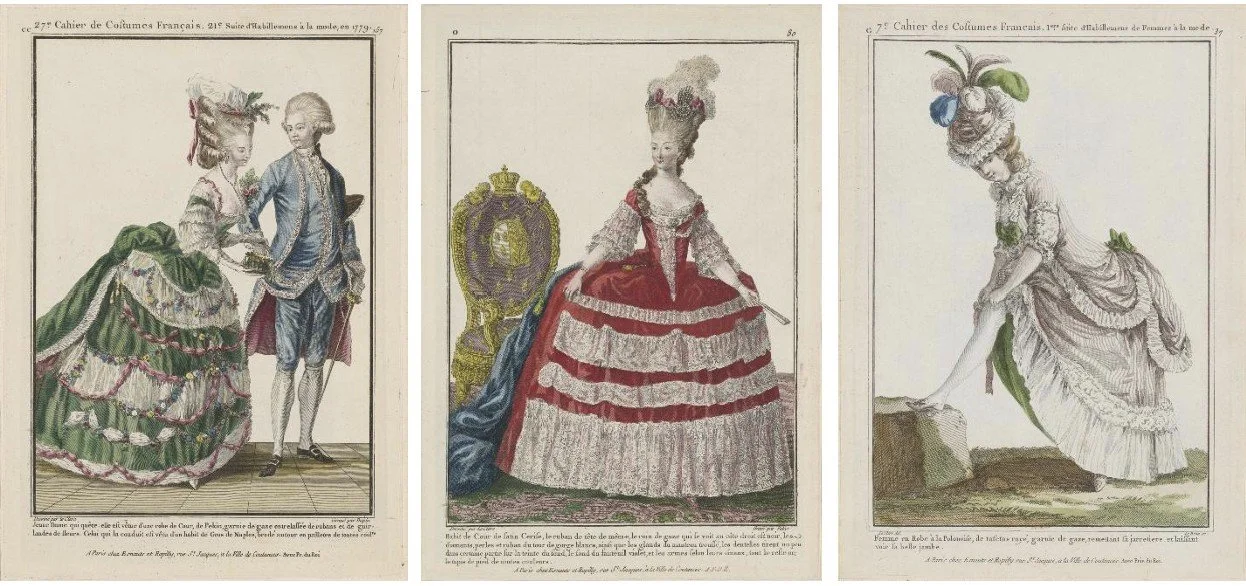
Gallerie des modes et costumes français, Courtesy of The Frick Art Research Library
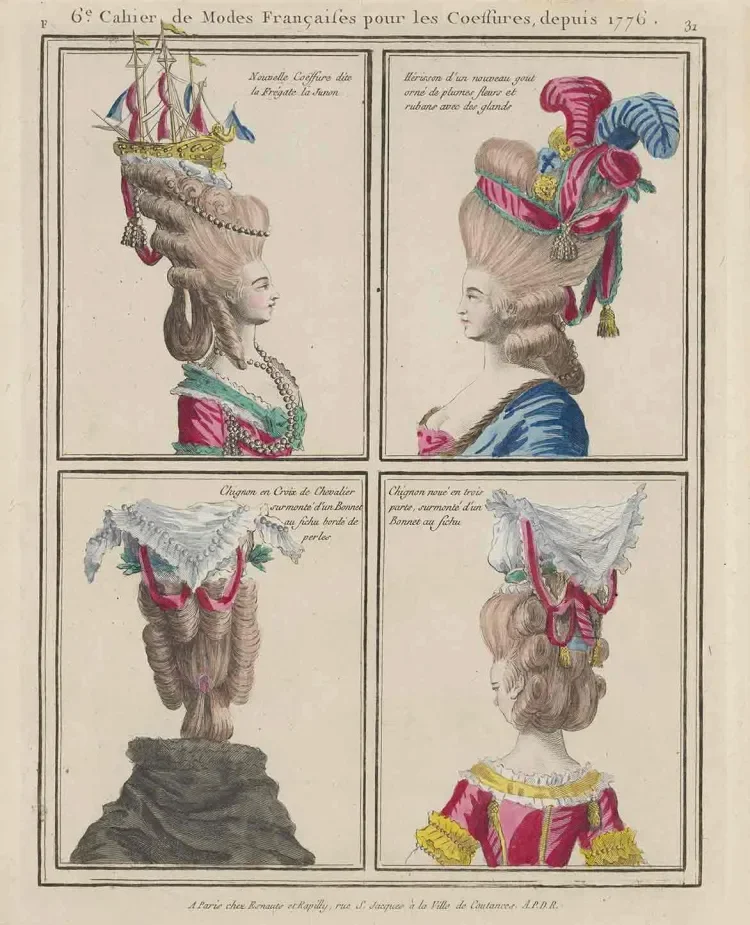
Gallerie des modes et costumes français, ca. 1778. Courtesy of The Frick Art Research Library
Before photography, before the fashion press, engravers were the ones who made style travel. The Gallerie des modes et costumes français, published in Paris between 1778 and 1787, was the closest thing the eighteenth century had to a fashion magazine — a meticulously hand-colored serial publication that documented, and in doing so, disseminated, the elaborate visual language of the French court. Marie Antoinette may have been the era's most recognizable muse, but it was print that gave her world its reach.
This spring, The Frick Collection brings twenty-four of these plates out of the library stacks and into the light with Ruffles & Ribbons: Fashion Plates from the Time of Marie Antoinette, opening April 1, 2026 in the Cabinet Gallery. Drawn entirely from the Frick Art Research Library's own holdings — a first for the institution — the installation offers an intimate look at the textures and silhouettes that defined French dress in the final decades of the Ancien Régime: silk folds caught mid-drape, lace ruffles rendered with almost obsessive precision, ribbons tied just so.
The timing is deliberate. Ruffles & Ribbons opens alongside Gainsborough: The Fashion of Portraiture (from February 12, 2026), and together the two exhibitions frame a quietly compelling argument. Where Gainsborough recorded how British society figures chose to present themselves — dress as self-construction, portrait as social performance — the French plates reveal the source material those choices were drawn from. One is about aspiration captured in oil; the other is about aspiration distributed in ink.
Ruffles & Ribbons offers a rare chance to linger over the plates themselves — silk folds, lace ruffles, carefully tied ribbons — and to consider the subtle, meticulous ways that fashion was recorded and shared long before the age of mass media.
This exhibition will run until August 3, 2026.