The Must-See Fashion Exhibitions this Summer
Fashion exhibitions are no longer occasional crowd-pleasers tucked into museum calendars between Old Masters and contemporary retrospectives. They have become one of the museum’s strongest cultural attractions — capable of drawing audiences that more traditional exhibitions often struggle to reach, while giving curators an unusually flexible way to talk about craftsmanship, politics, identity and the body.
This summer’s programme makes that shift particularly visible. In Paris alone, museums are moving from eighteenth-century court dress at the Palais Galliera to African fashion histories at the Musée du quai Branly and Thai royal couture at the Musée des Arts Décoratifs. Berlin reconsiders Madame Grès through the lens of sculpture, Antwerp revisits the radical legacy of the Antwerp Six, and Brooklyn immerses visitors in Iris van Herpen’s otherworldly couture universe.
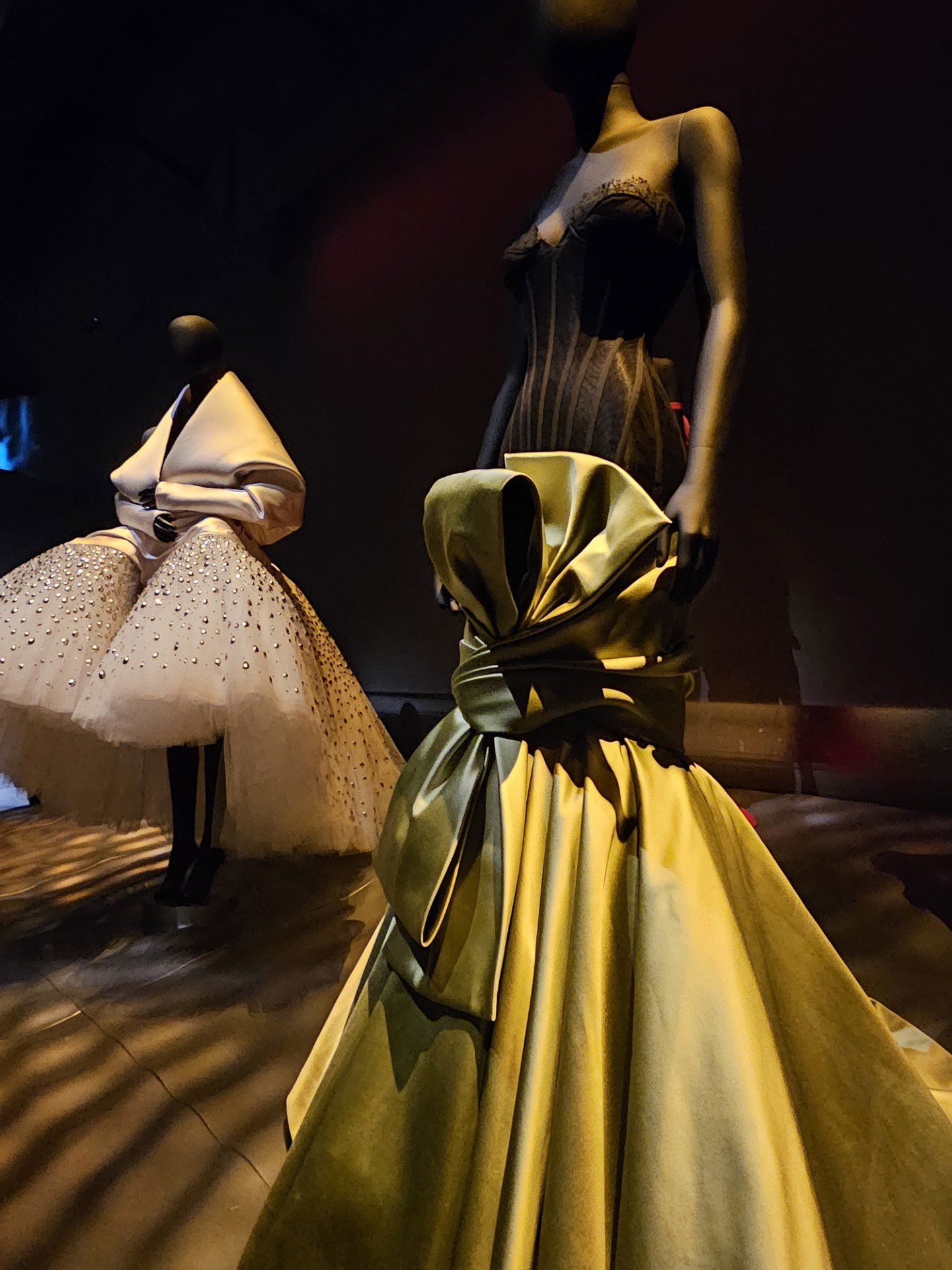
The most telling move of the season, though, is at The Metropolitan Museum of Art. Costume Art, timed to inaugurate the new Condé Nast Galleries beside the Great Hall, places fashion directly into conversation with sculpture, painting and decorative arts through the idea of the dressed body. Andrew Bolton’s curatorial gambit is not just conceptual — the location itself is part of the argument. Fashion is no longer being handled as a specialist category within the museum. It is becoming part of the institution’s central narrative.
What the season also reveals is how differently museums now approach fashion exhibitions. Some focus on couture’s hidden labour; others use dress as a lens onto art history, diplomacy or performance. Increasingly, the clothes themselves are almost beside the point. What museums are really examining is how appearance has been used to construct — and contest — ideas of power, taste and identity.
Costume Art
New York | The Metropolitan Museum of Art | Until 10 January 2027
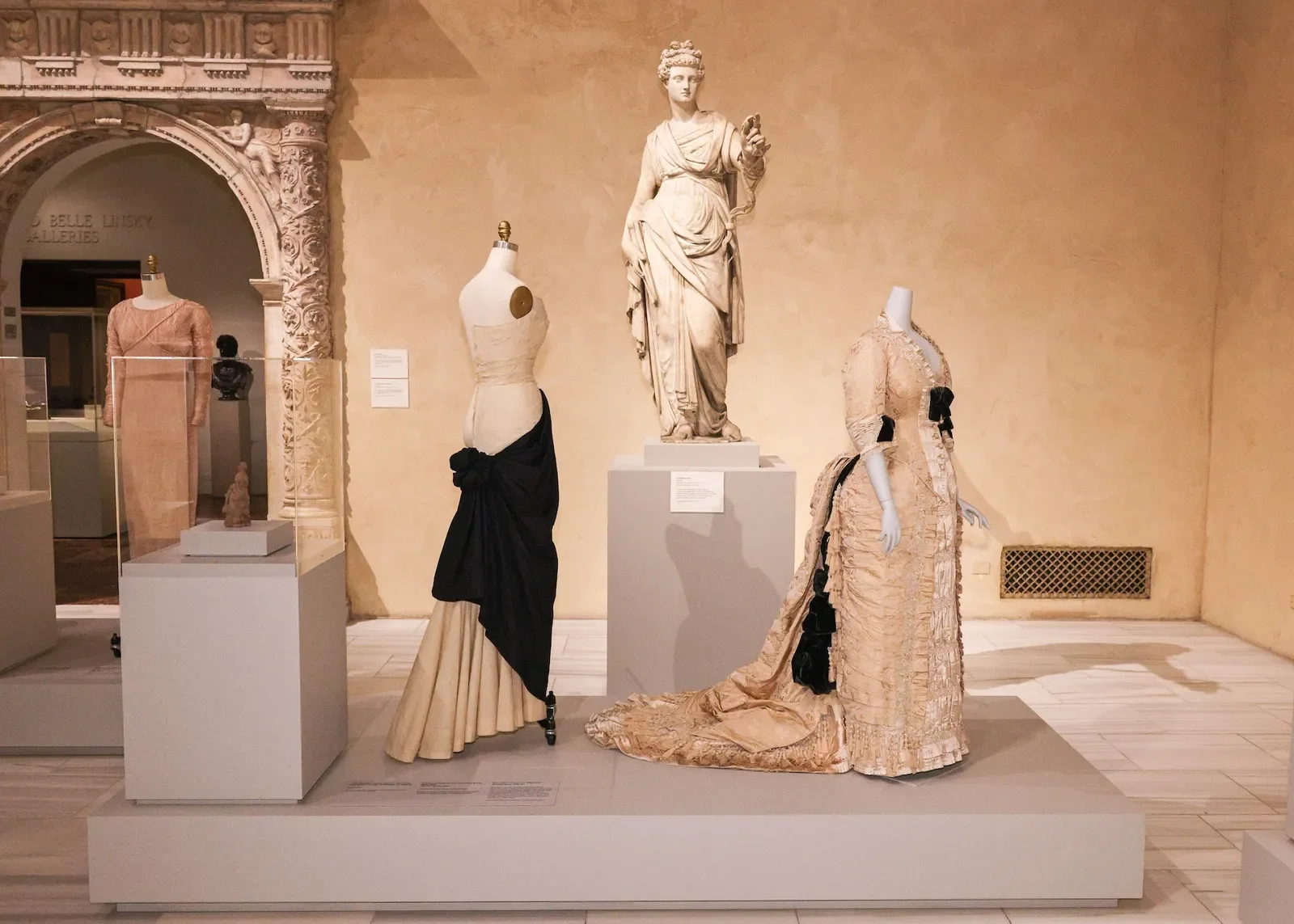
Opening the Met’s new Condé Nast Galleries, Andrew Bolton’s Costume Art places fashion in direct dialogue with sculpture, painting, decorative arts and antiquities through the theme of the dressed body. Rather than isolating dress as spectacle, the exhibition uses clothing to connect objects that museums usually keep intellectually separate — sculpture, portraiture, decorative arts, even antiquities. The result is less about fashion history in isolation and more about how clothing has shaped ideas of identity, beauty, age and power across centuries. The location is itself an argument: fashion is no longer being accommodated within the museum. It is being positioned at its centre.
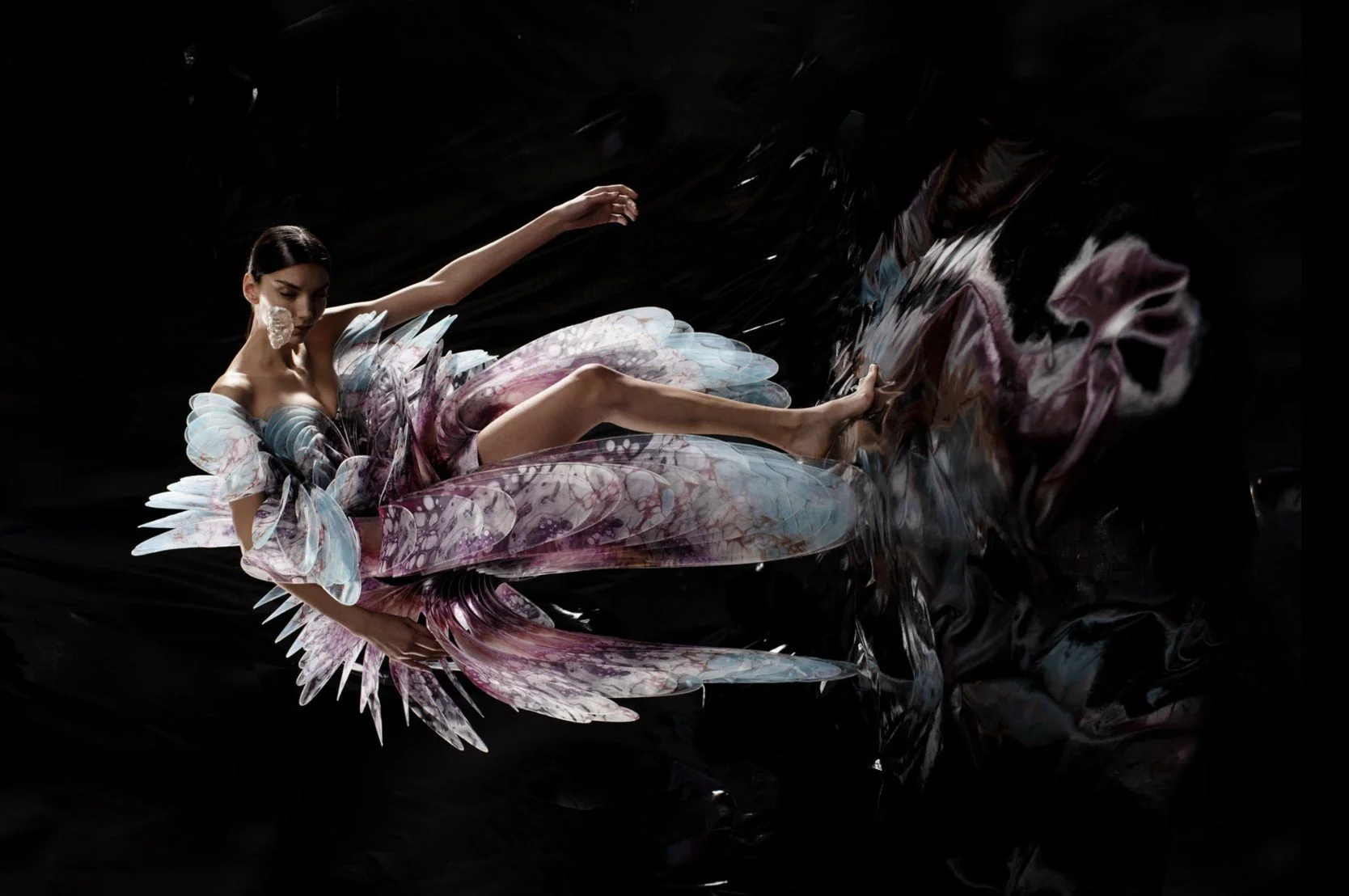
Iris van Herpen. Hydrozoa Dress, from the Sensory Seas collection, 2020. PETG and glass organza. Photo: David Ụzọchukwu
Iris van Herpen: Sculpting the Senses
New York | Brooklyn Museum | Until 6 December 2026
Part fashion exhibition, part immersive installation, Sculpting the Senses places Van Herpen’s couture within a wider universe of science, technology and natural history. More than 140 garments appear alongside artworks, fossils and scientific specimens, tracing her fascination with movement, anatomy, water and invisible structures. The exhibition is strongest where it reveals process — how 3D printing, handcraft and biomimicry intersect within her practice. Few designers have pushed couture’s material vocabulary this far, and the show doesn’t let you forget it.
Schiaparelli: Fashion Becomes Art
London | Victoria and Albert Museum | Until 8 November 2026
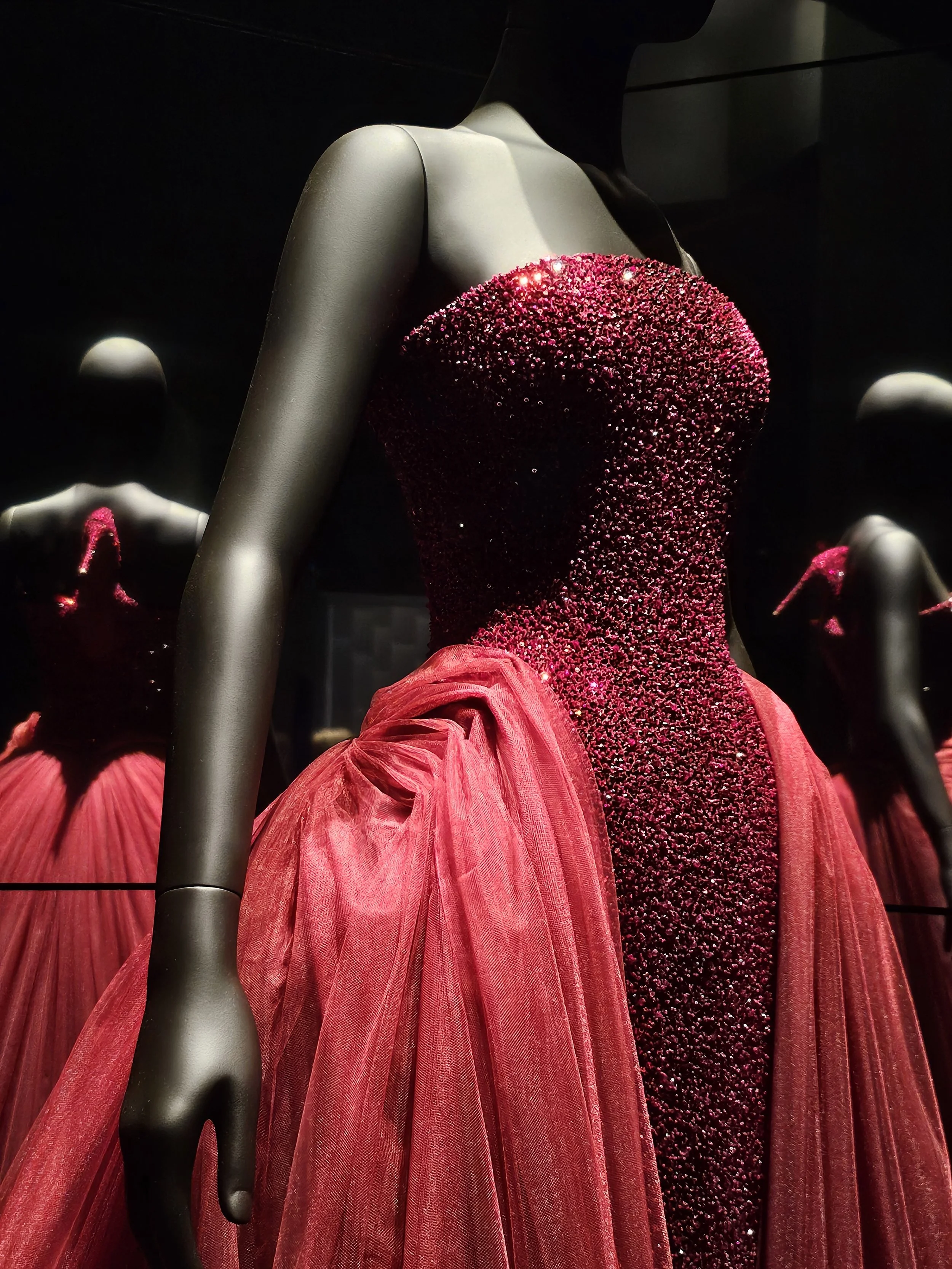
The first UK exhibition dedicated to Elsa Schiaparelli makes a case that has long needed making: that she wasn’t simply a provocateur who collaborated with Dalí and Cocteau, but a designer whose ideas about the body, humour and material subversion were as intellectually rigorous as anyone working in fine art at the time. The show spans the 1920s to the present, tracing her work alongside the house’s contemporary revival under Daniel Roseberry — a pairing that works better than it might sound, because Roseberry’s anatomical, often unsettling couture raises the same questions Schiaparelli was asking ninety years ago. Over 200 objects span garments, accessories, jewellery, paintings, photographs, sculpture and archive material, and the breadth serves the argument: this was never just fashion.
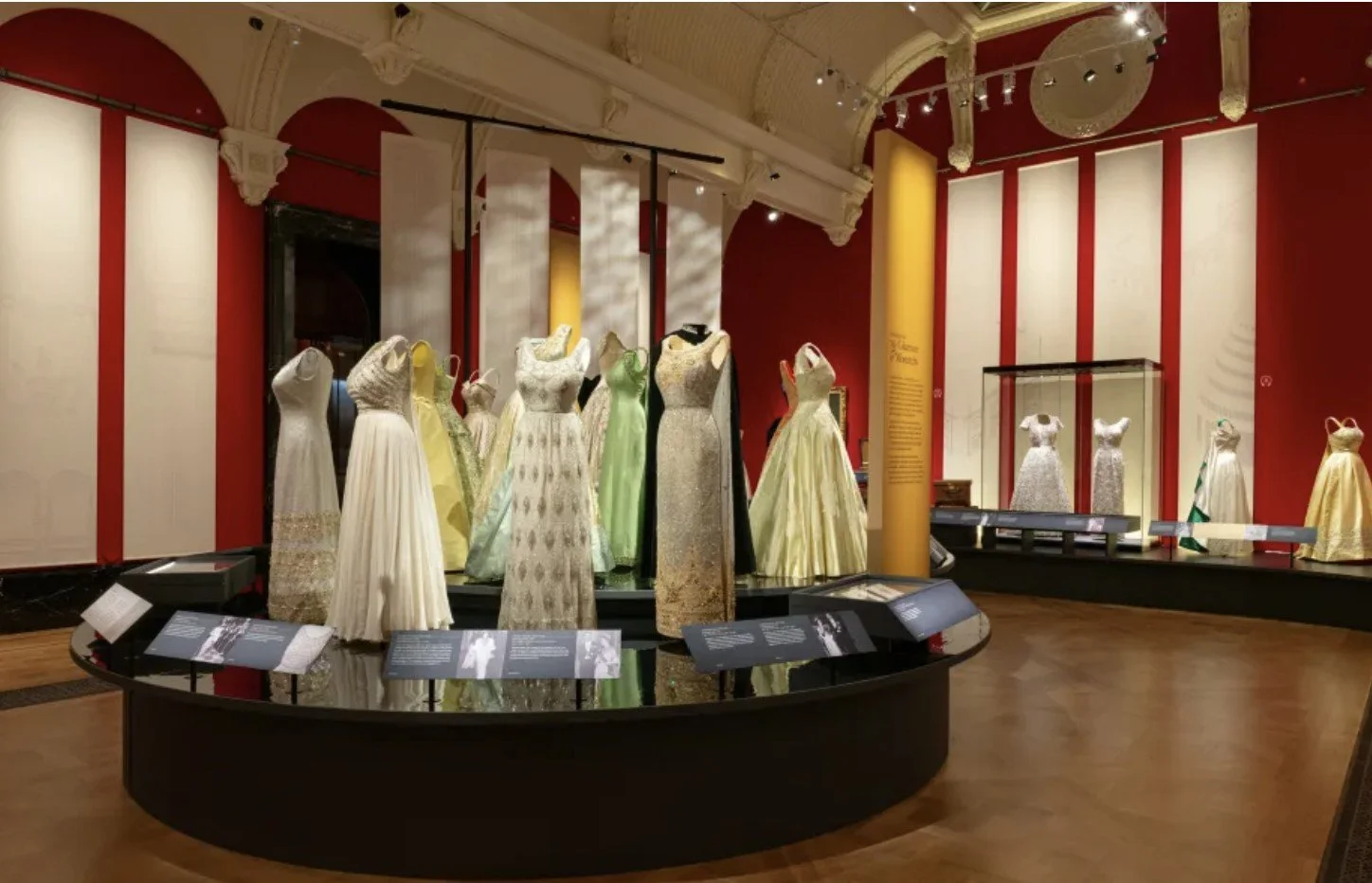
Queen Elizabeth II: Her Life in Style
London | The King's Gallery | Until 18 October 2026
The largest exhibition ever dedicated to Queen Elizabeth II’s wardrobe reveals how strategic her clothing choices were across seven decades of public life. From Norman Hartnell’s coronation gown to brightly coded diplomatic ensembles and practical countrywear, the show frames fashion as a language of continuity, symbolism and statecraft. Particularly revealing is how it traces the evolution of British couture through her patronage. Contemporary responses by Richard Quinn, Erdem and Christopher Kane extend the conversation beyond monarchy into the broader cultural legacy of royal dressing.
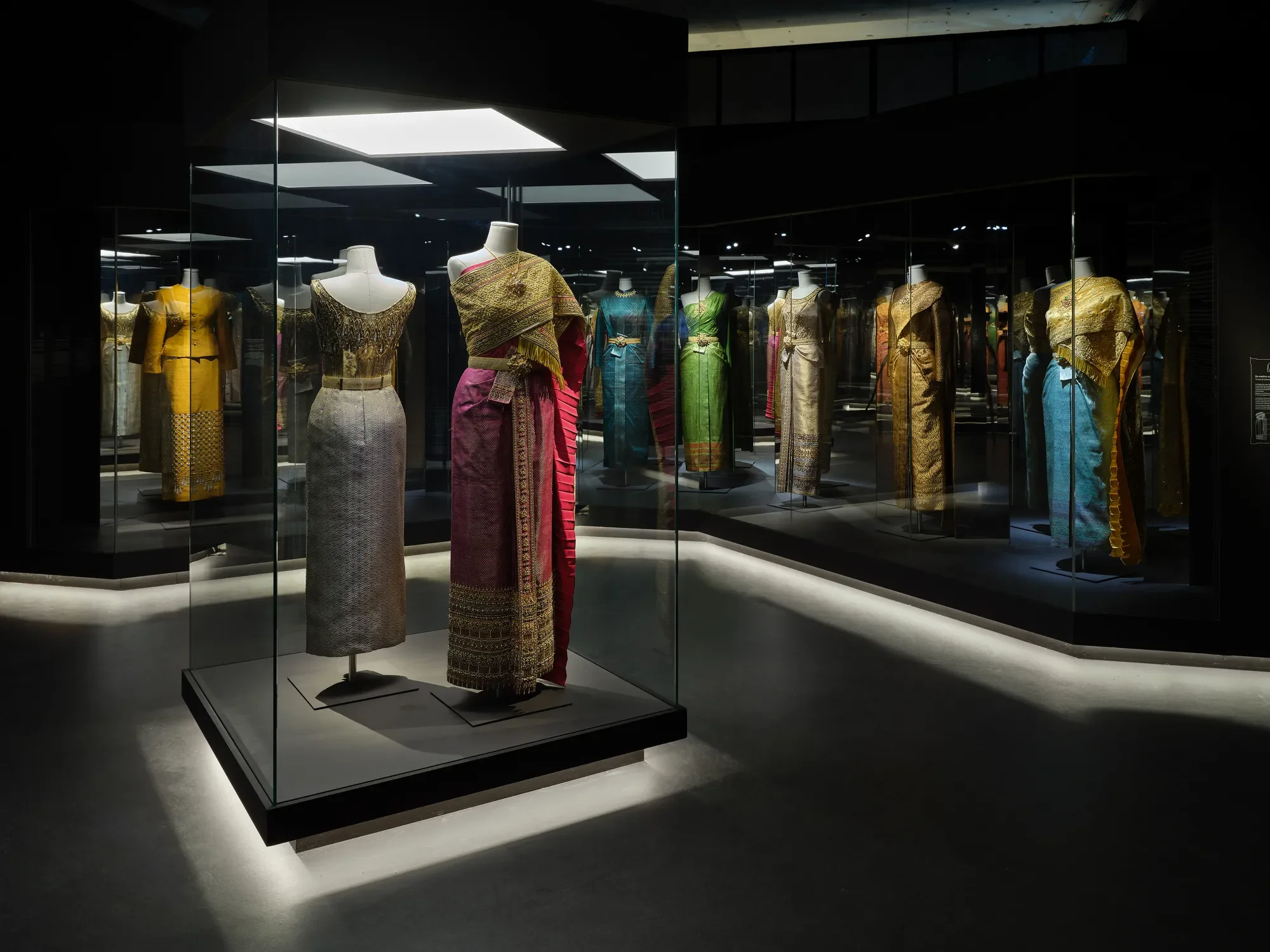
Fashion in Majesty: Haute Couture and Tradition at the Court of Thailand
Paris | Musée des Arts Décoratifs | Until 1 November 2026
This exhibition traces how Queen Sirikit transformed Thai silk into a diplomatic instrument during the mid-twentieth century. More than one hundred garments reveal the balance between traditional Thai weaving and Parisian couture construction, with pieces by Balmain and others adapting local textiles into international eveningwear. Particularly striking are the handwoven silks whose irregular textures remain visible beneath couture tailoring, preserving the memory of village craftsmanship. The clothes are beautiful; the story behind them is about cultural preservation, identity and the politics of representation.
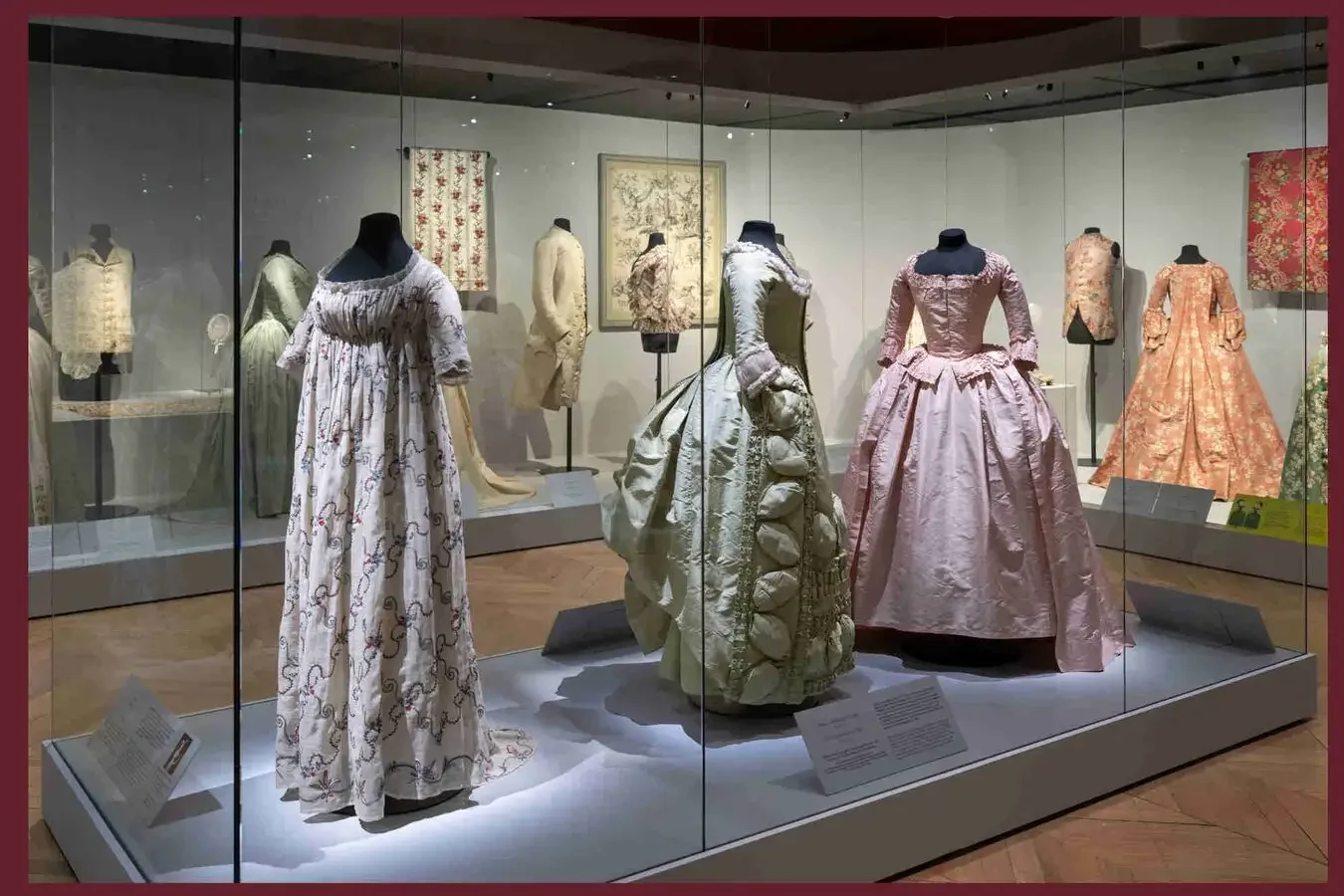
Fashion in the 18th Century: A Fantasized Legacy
Paris | Palais Galliera | Until 12 July 2026
The 18th century continues to haunt contemporary fashion, and this exhibition asks precisely why designers keep returning to panniers, corsets and embroidered excess. More than seventy garments span three centuries, placing historical dress alongside reinterpretations by Dior, Chanel, Vivienne Westwood and Dries Van Noten. Rather than treating the period as decorative fantasy, the exhibition examines its radical restructuring of the body — the architectural silhouettes and engineered proportions that still shape fashion today.
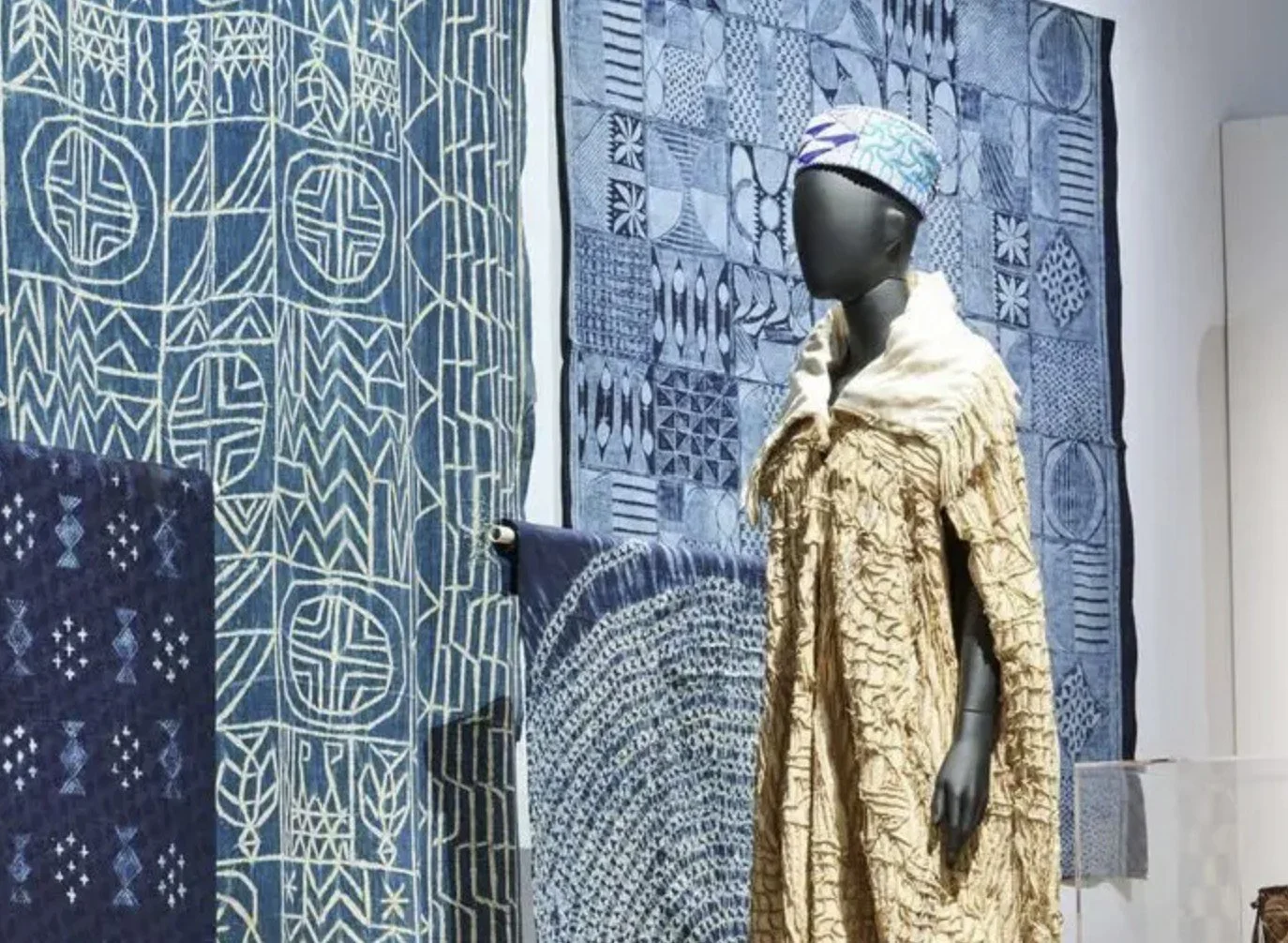
Africa Fashion
Paris | Musée du quai Branly – Jacques Chirac | Until 12 July 2026
Originally conceived by the V&A, Africa Fashion arrived in Paris with archival works by pioneers such as Shade Thomas-Fahm and Alphadi alongside contemporary voices including Thebe Magugu, IAMISIGO and Sindiso Khumalo.
Textile traditions, craftsmanship and political identity run through the displays, showing how fashion became a way to negotiate modern identity, independence and visibility on both local and international stages. The show covers a lot of ground without flattening it — a portrait of African fashion told from within its own evolving narratives.
Weaving, Embroidering, Embellishing: The Crafts and Trades of Fashion
Paris | Palais Galliera | Until 18 October 2026
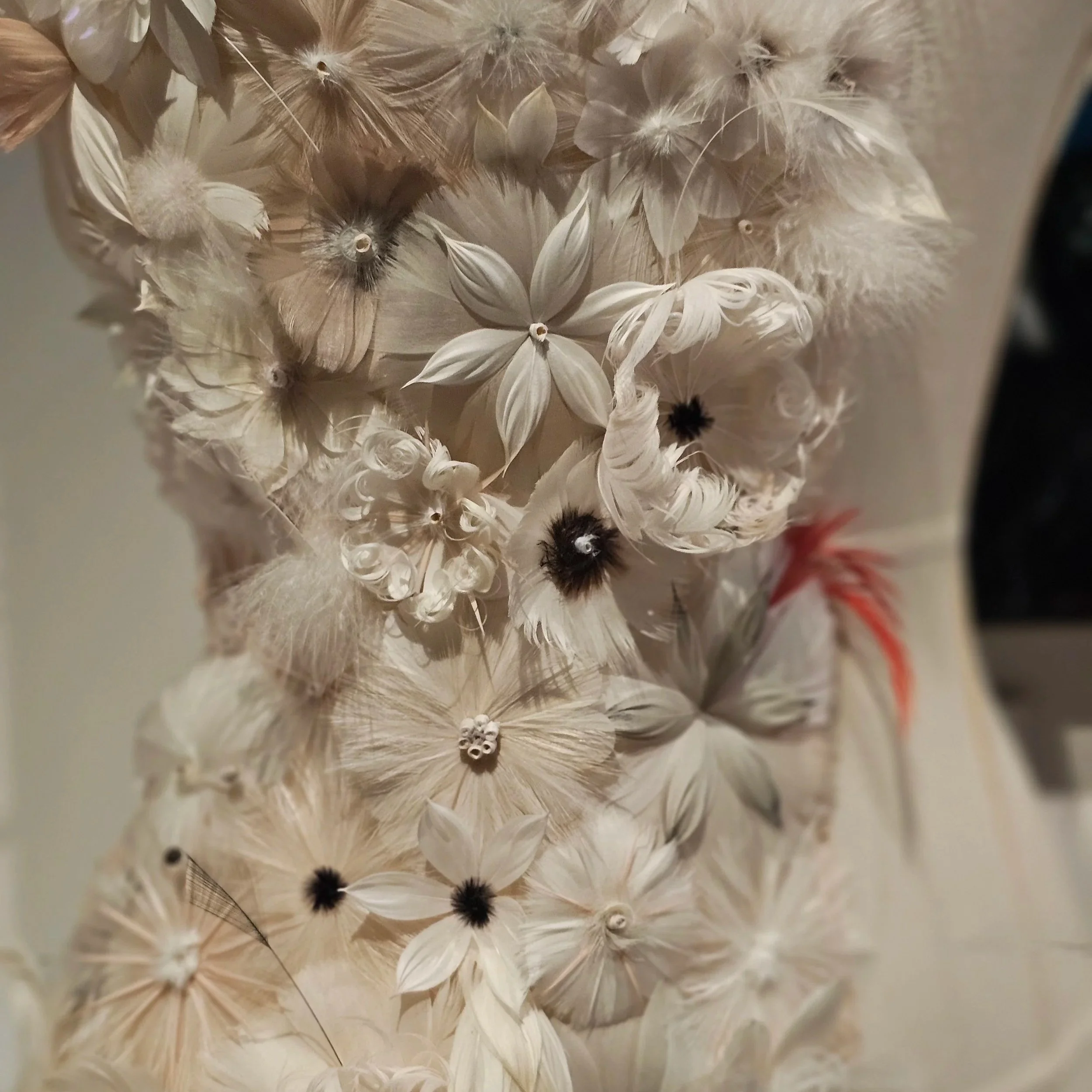
The spotlight here moves away from designers and onto the artisans whose work sustains couture. Using the floral motif as its thread, the informative show explores embroidery, textile manipulation, featherwork, and artificial flower-making across more than 350 objects.
Magnifying tables let visitors study the technical detail up close — the precision of a silk petal, the layering of embroidery, the engineering behind volume and relief. More than a tribute, the exhibition reflects the renewed visibility of the métiers d’art in contemporary Paris, particularly since the opening of Chanel’s 19M complex.
Vivienne Westwood: Rebel – Storyteller – Visionary
Barnard Castle | The Bowes Museum | Until 6 September 2026
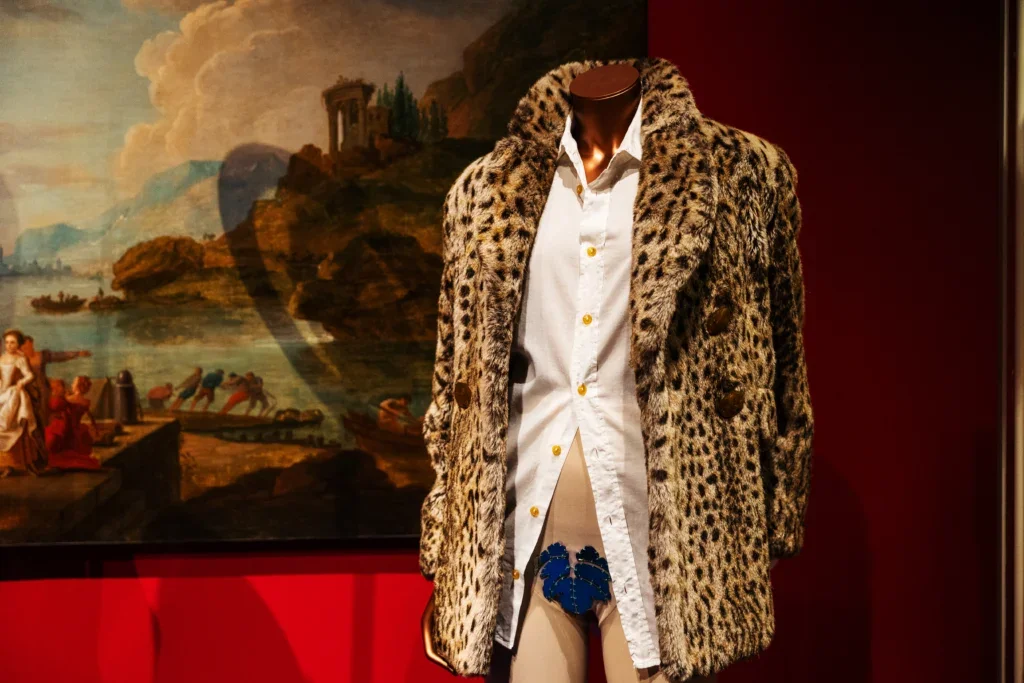
This exhibition skips the punk mythology and picks up where the more interesting story begins: Pirates (1981), and the period when Westwood’s work became intellectually sharper and technically more rigorous. It traces how she transformed historical dress — from Rococo court silhouettes to Savile Row tailoring — into a language of distortion, provocation and cultural critique. The attention to construction is particularly strong: calico toiles, working patterns and deconstructed garments reveal the precision beneath the theatricality. Set against historic pieces from the museum’s own collection, it shows how deeply Westwood treated history not as nostalgia, but as material to dismantle and rebuild.
Many Shades of Grès: Fashion Becomes Art
Paris | Kunstgewerbemuseum | Until 11 October 2026
Madame Grès has long been reduced to her Grecian draped gowns. Shown here alongside antiquities and Byzantine works, her garments read less like fashion objects and more like sculptural studies in movement and form. The exhibition introduces lesser-known coats, trousers and embroidered pieces that demonstrate a wider design vocabulary than her reputation suggests — and makes a convincing case for couture as a discipline as rigorous as sculpture or architecture.
Maurizio Galante & Tal Lancman: Haute Couture, Design, Art
Calais | Cité de la dentelle et de la mode and Musée des Beaux-Arts de Calais | Opening Jun 13
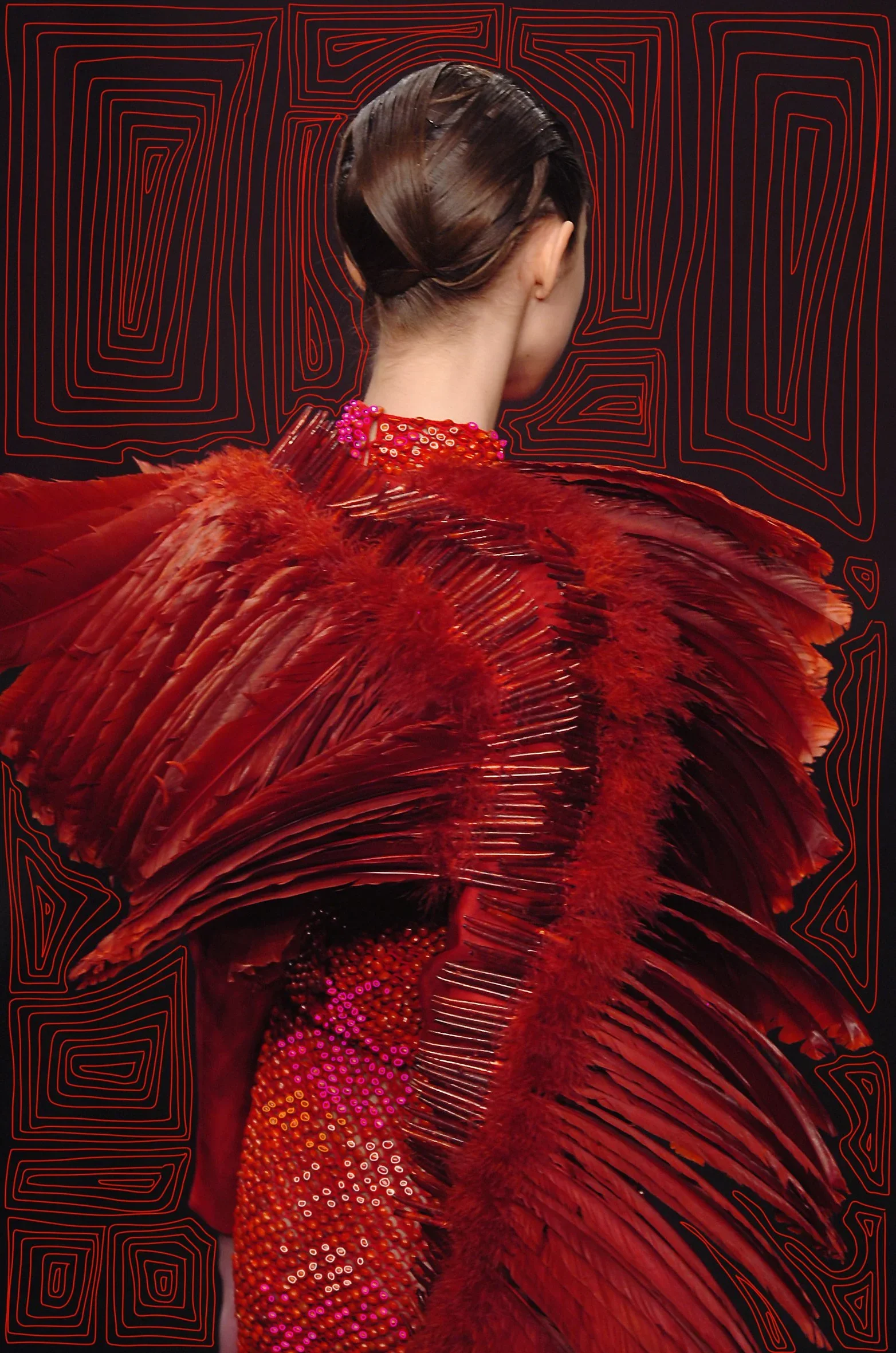
Spread across two institutions in Calais, this exhibition examines couture as something beyond clothing. Galante and Lancman have spent decades dissolving the boundaries between fashion, sculpture, design and spatial installation, working with lace, ceramics, feathers and glass at couture-level craftsmanship. The show reflects that multidisciplinary practice — traditional savoir-faire evolving into objects and environments as much as garments. In a fashion landscape increasingly drawn to craft and collectable design, the work feels ahead of the conversation rather than part of it.
The Antwerp Six
Antwerp | MoMu Fashion Museum Antwerp | Until 17 January 2027
Few groups reshaped contemporary fashion as profoundly as the Antwerp Six, and MoMu’s major exhibition finally gives them collective institutional attention. Bringing together Dirk Bikkembergs, Ann Demeulemeester, Walter Van Beirendonck, Dries Van Noten, Dirk Van Saene and Marina Yee, the show revisits the moment they arrived in London in 1986 and reoriented the industry’s sense of what Belgian fashion could be. What emerges is not a unified aesthetic but six radically individual approaches connected by experimentation, deconstruction and intellectual freedom. The exhibition also captures how influential Antwerp’s Royal Academy became in redefining fashion education itself.
Art & Fashion
Lisbon | Calouste Gulbenkian Museum | Running until June 21
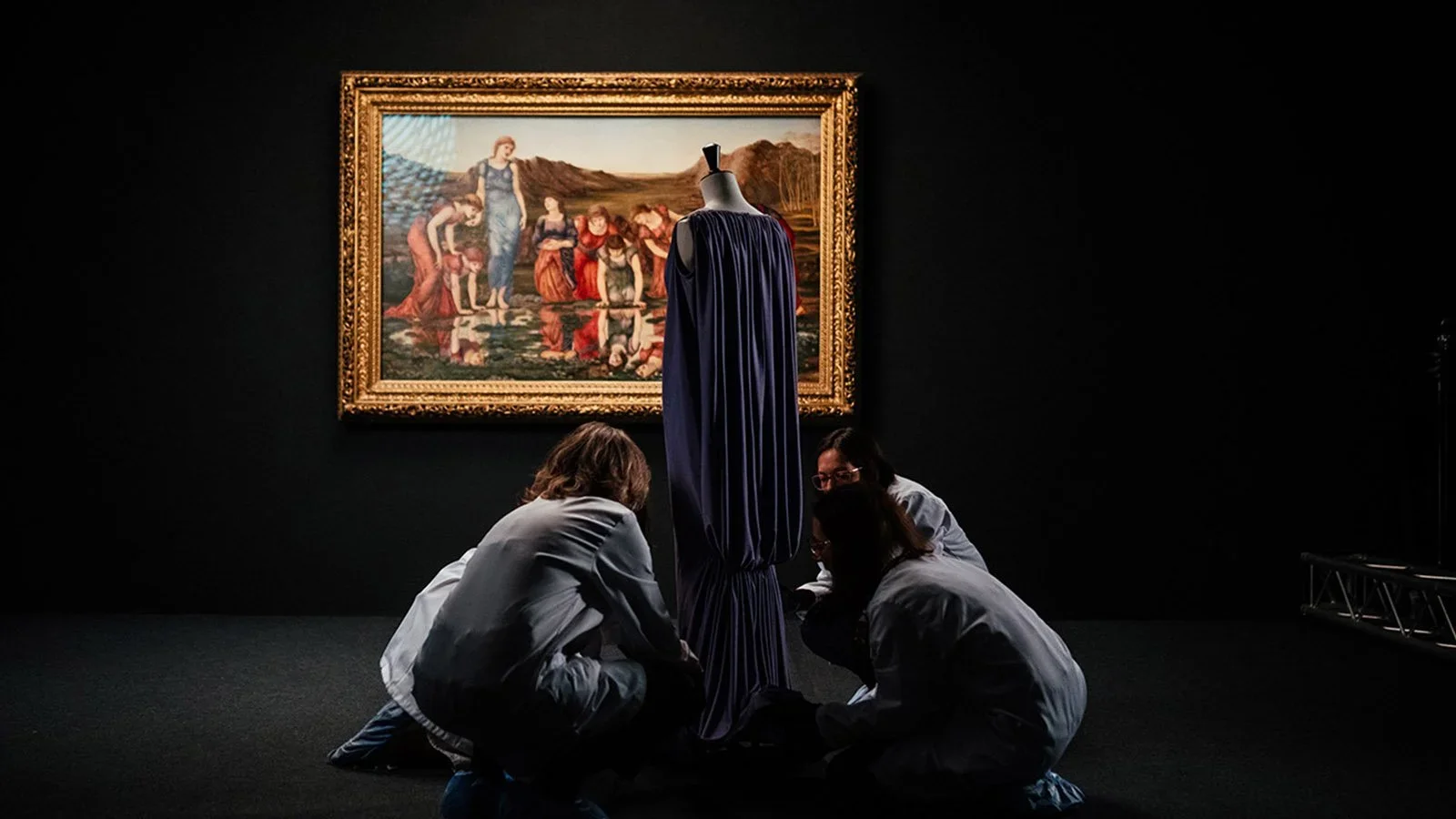
Part of the Gulbenkian Foundation’s 70th anniversary programme, this exhibition places fashion in conversation with works spanning Ancient Egypt to early twentieth-century decorative arts. Dior, Balenciaga, McQueen, Guo Pei and Westwood appear alongside tapestries, porcelain, sculpture and painting in carefully constructed visual dialogues. Rather than presenting fashion as secondary to art, the exhibition treats clothing as historical evidence — carrying ideas about power, ritual, beauty and identity across cultures and centuries. Some pairings are unexpectedly sharp, revealing how often fashion and art return to the same obsessions with power, ritual and performance.