Art & Fashion: A Dialogue Across Centuries at the Gulbenkian
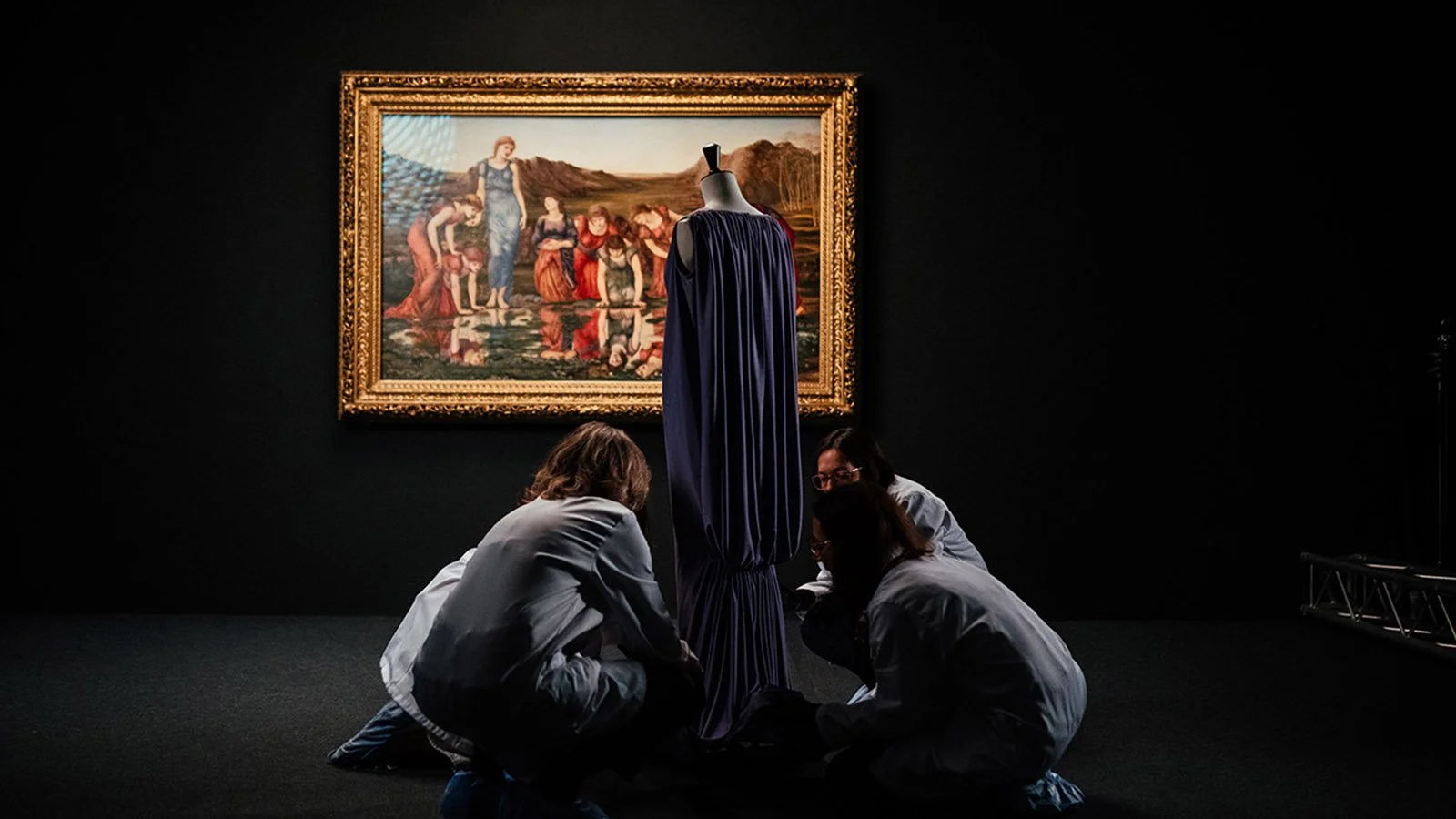
Art and fashion have long moved in parallel, but their more intentional recent encounters suggest something deeper than display alone. Last year's Louvre Couture. Art and Fashion: Statement Pieces — the French museum's first exhibition dedicated entirely to fashion — brought haute couture into sustained dialogue with masterpieces of decorative art, tracing echoes between 20th- and 21st-century design and objects ranging from Byzantine treasures to Second Empire ornamentation. The show made a persuasive case for fashion not as applied art, but as a full participant in art history's ongoing conversation.
Art & Fashion, opening 18 April at the Calouste Gulbenkian Museum in Lisbon, picks up that thread with equal ambition. Part of the foundation's 70th-anniversary programme, the exhibition spans 1,000 square metres, placing more than 100 works from the Gulbenkian Collection — spanning Ancient Egypt to early 20th-century painting, sculpture, tapestry and porcelain — in deliberate proximity to roughly 140 fashion pieces. The roster runs from Dior, Balenciaga, Yves Saint Laurent, Versace and Jean Paul Gaultier to Westwood, McQueen, Guo Pei and a selection of leading Portuguese designers.
The Gulbenkian Collection's particular breadth lends itself well to this kind of cross-temporal exercise. Curated by Eloy Martínez de la Pera, the displays will draw connections across centuries and cultures: Vivienne Westwood in conversation with 18th-century France, Guo Pei alongside an ancient Egyptian funerary mask, McQueen and Givenchy read against Japanese prints.
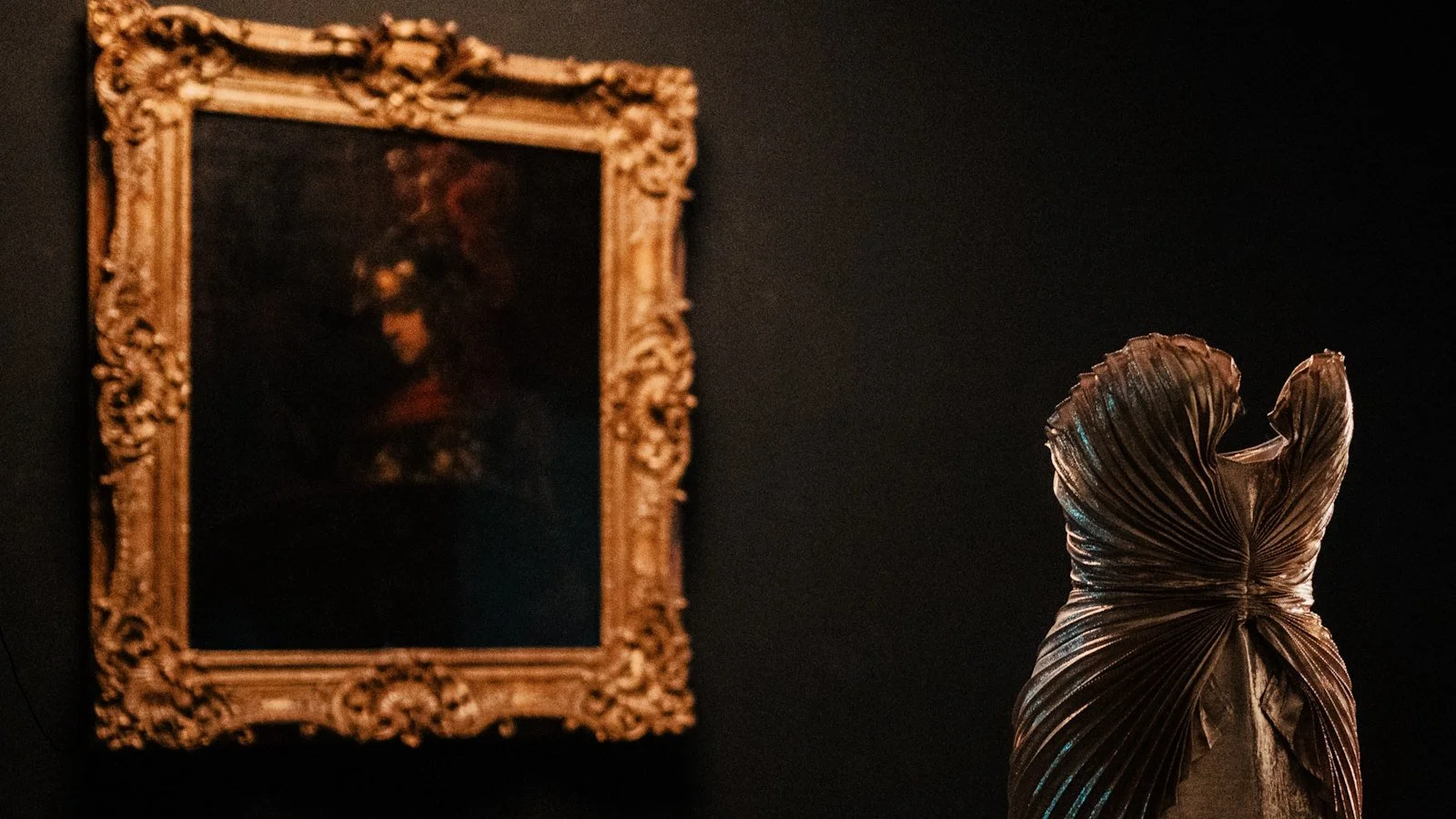
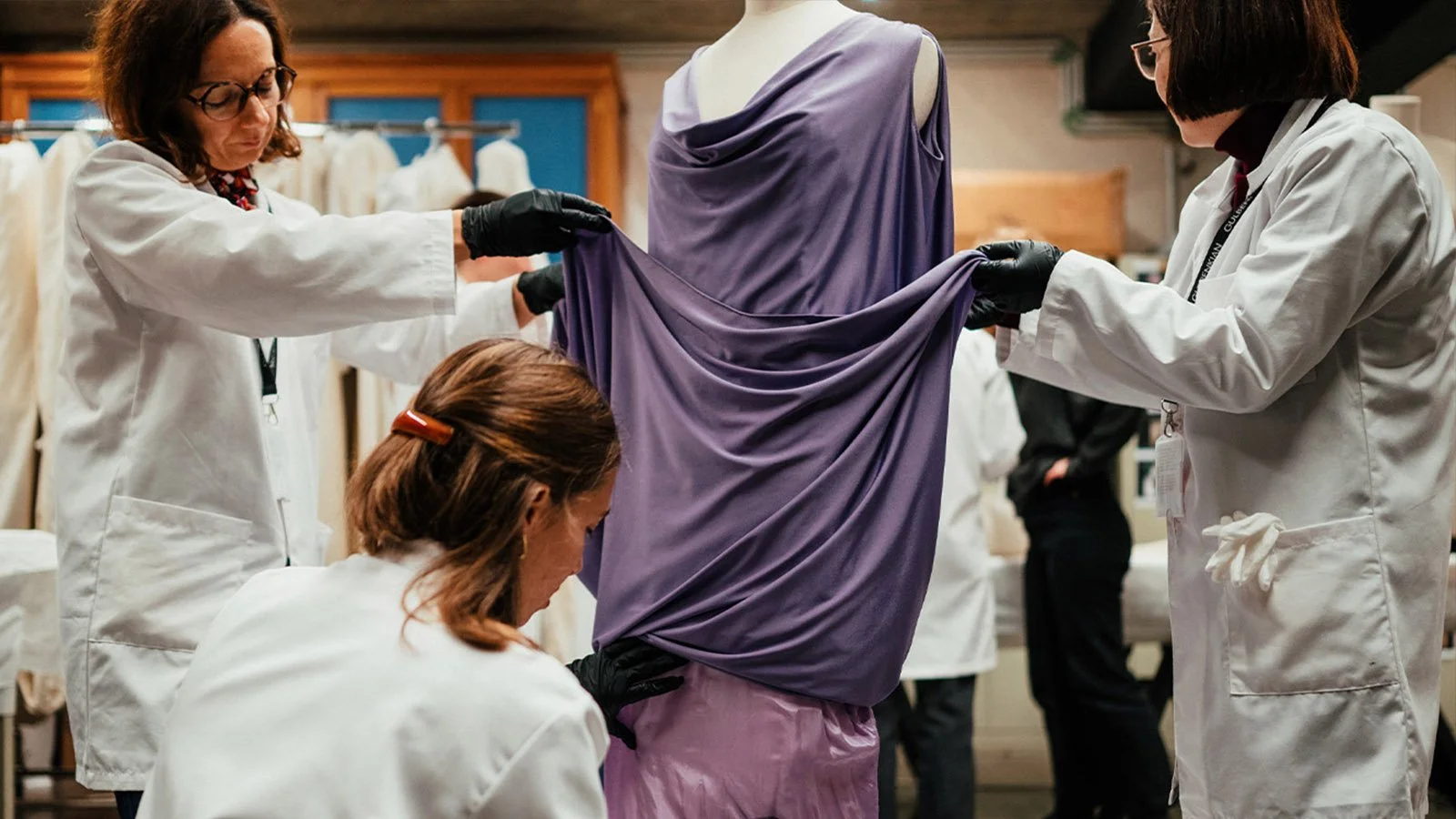
The premise is that certain motifs — of power, ritual, beauty, status — don't belong to any single discipline. Fashion, here, is treated as historical evidence: fabric as a carrier of social codes and cultural exchange that often slips through the cracks of more traditional narratives.