The Radical Modernity of Elizabeth Hawes
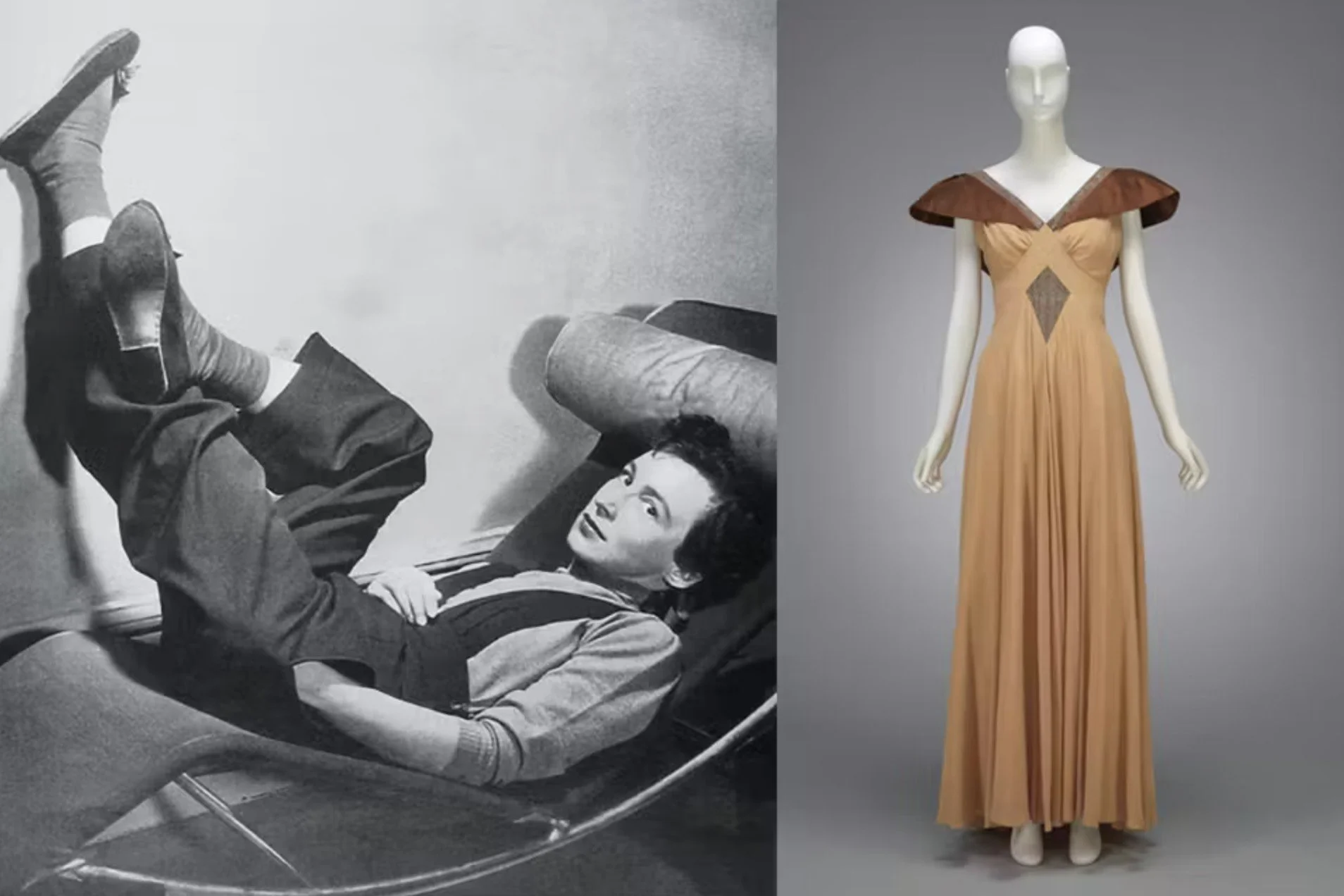
Elizabeth Hawes had strong opinions about fashion, and unlike many designers of her era, she wrote them down. Long before the industry embraced the language of gender fluidity or functional dressing, Hawes was already making the argument — in her clothes, in her books and, occasionally, from the runway itself.
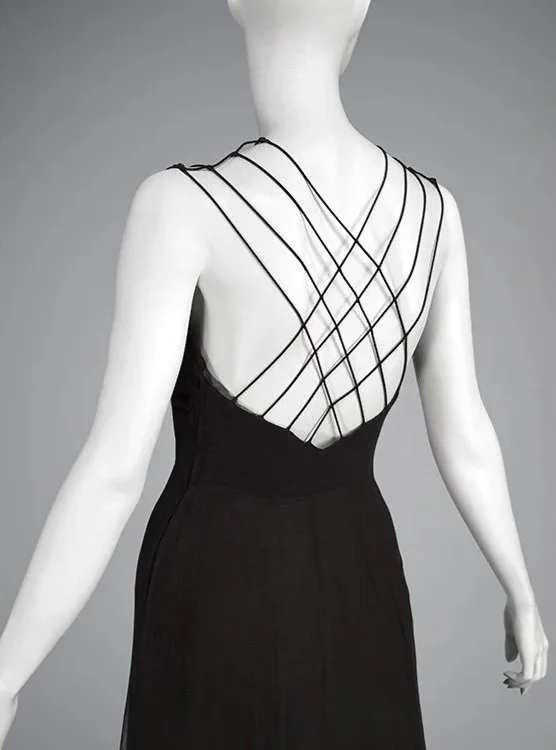
The Cincinnati Art Museum is currently giving her the institutional recognition she never fully received in her lifetime. Elizabeth Hawes: Radical American Fashion, running until August 2, is the first major museum exhibition devoted entirely to her work. Bringing together more than 50 garments spanning the 1920s to the 1960s, alongside sketches, illustrations and archival material, the exhibition presents Hawes not simply as a designer, but as a figure who consistently challenged the conventions of the American fashion industry.
Fashion history has often reduced Hawes to the sharp-tongued author of Fashion Is Spinach, her irreverent 1938 critique of the fashion system. But the exhibition suggests something more substantial. At a moment when American fashion still looked too almost entirely to Paris for validation, Hawes was trying to define what an independent American style might look like.
She had worked briefly in Paris herself, learning the mechanics of couture from the inside, but returned convinced that American women needed clothes designed around the realities of their lives rather than imported fantasy. That idea shaped everything she did. Her designs privileged movement, practicality and ease without abandoning elegance — principles that would later become central to American sportswear. Long before ready-to-wear gained legitimacy within luxury fashion, Hawes was already arguing that well-designed clothing should extend beyond an elite clientele.
The timing of the exhibition feels particularly apt. Designers such as Claire McCardell and Bonnie Cashin have steadily returned to the fashion conversation in recent years, both through museum exhibitions and a renewed interest in American sportswear on contemporary runways. Hawes belongs naturally within that lineage, though her name has remained far less familiar.
Part of that may be because Hawes was difficult to package neatly. She was not only a designer, but also a critic of the industry she worked within. Fashion tends to be more comfortable celebrating glamour than dissent.
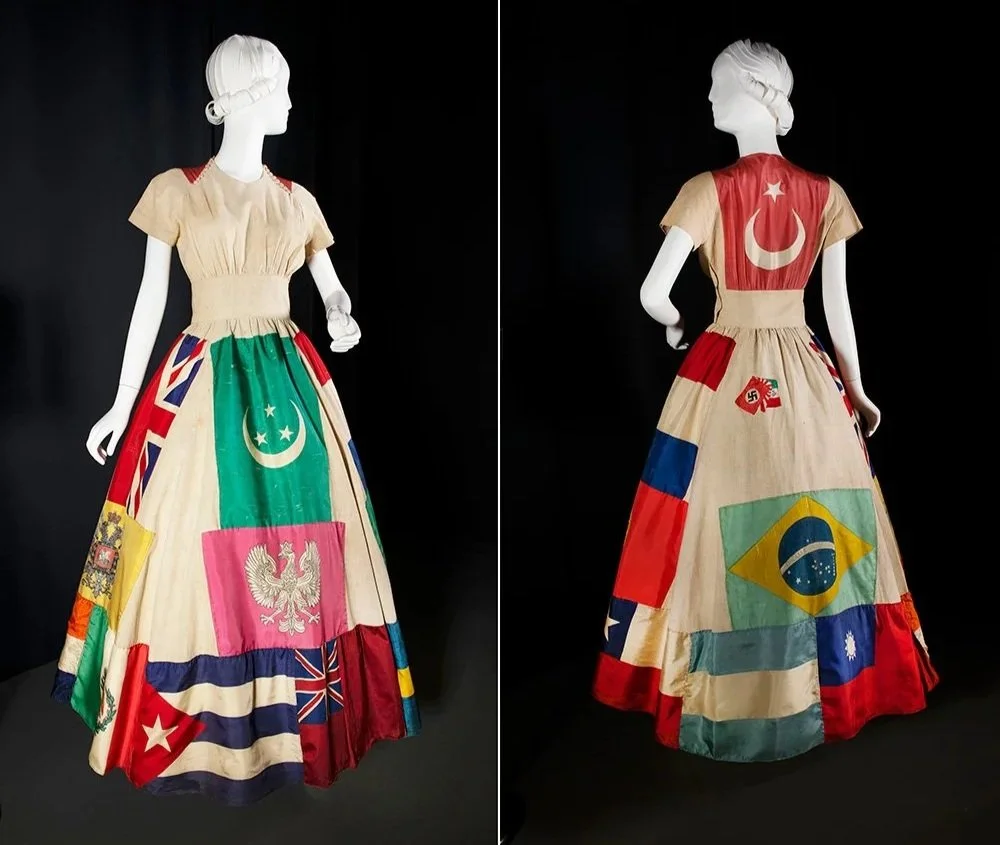
One piece in the exhibition captures her spirit especially well: Geographic, a 1940 dress printed with the flags of Allied nations and created on the eve of World War II. Hawes wore it herself on the runway with the Axis flags positioned at the back of the dress so she would literally sit on them. The gesture was theatrical, political and entirely in character.
Her politics extended far beyond symbolism. After closing her couture house in 1940, Hawes worked in an airplane engine factory during the war, wrote for the progressive newspaper PM, and later became involved in labour activism through the United Auto Workers. Her outspoken views eventually earned her FBI surveillance during the politically charged postwar years.
Curated by longtime fashion arts and textiles curator Cynthia Amnéus before her retirement, the exhibition draws on years of original research to reconstruct Hawes’s contribution to twentieth-century American fashion. What emerges is not simply the portrait of a designer ahead of her time, but of someone who questioned the structure of the industry itself — who believed clothing should serve the wearer rather than the system surrounding it.