Jewelry Exhibitions Worth Traveling For in Early 2026
Early 2026 offers an unusually strong lineup of jewelry exhibitions across Europe and the Middle East. What unites them isn’t opulence for its own sake, but a deeper curiosity about what jewelry does—how it circulates power, carries ideas, absorbs cultural meaning, and occasionally slips free of ornament altogether. These are exhibitions that reward attention. The sparkle is there, but it’s not always the point.

Agate Likely Rio Grande do Sul (Brazil). Paris, Muséum national d'histoire naturelle, mineral and gem collection © François Farges
Rêveries de pierres: Poetry and Minerals by Roger Caillois
National Museum of Natural History, Paris — through March 29, 2026
Roger Caillois collected stones the way others collect stories. Over decades, he assembled a trove of minerals not for their rarity or value, but for their ability to suggest images—fortresses, landscapes, figures—formed entirely by geological chance. This exhibition presents roughly 200 specimens from his collection of 1,000, most of them jaspers and agates whose veining reads like accidental drawing.
Caillois approached minerals as visual texts rather than scientific samples. The stones hover between natural history and abstraction, inviting prolonged, almost meditative looking. Works such as Le Château or La Cime don’t insist on interpretation; they offer possibilities. It’s an exhibition that quietly resists spectacle, making a case for slowness, imagination, and the kind of attention jewelry and objects once demanded before speed and scale took over.
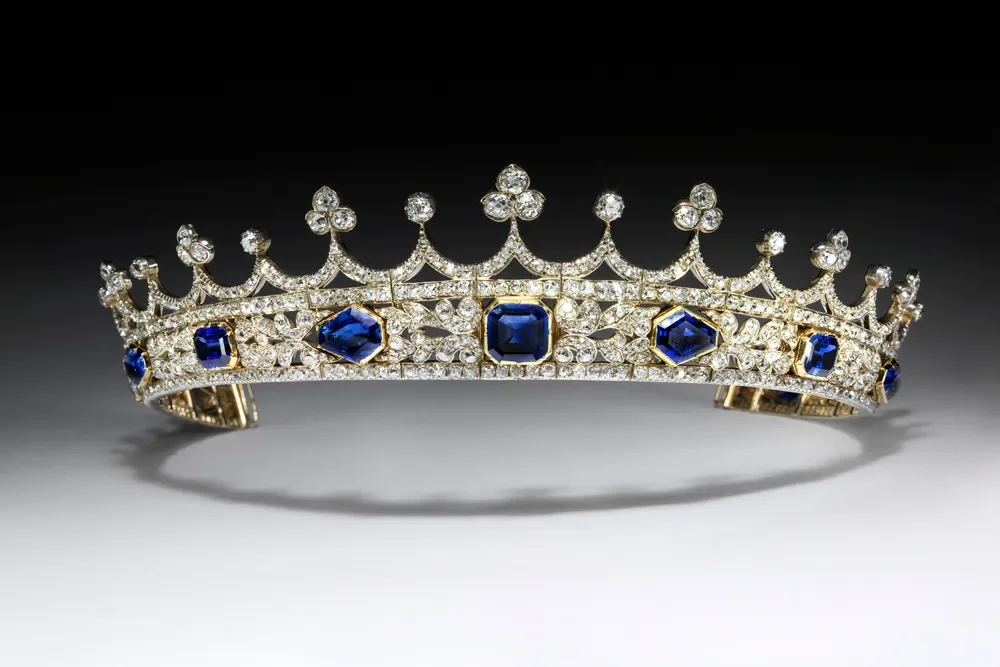
Queen Victoria’s coronet (c. 1840–42), made by Kitching & Abud. Photo: © Victoria and Albert Museum
Dynastic Jewels: Power, Prestige, and Passion (1700–1950)
Hôtel de la Marine, Paris — through April 6, 2026
Set inside the Hôtel de la Marine—once closely linked to the administration of France’s crown jewels—this exhibition understands that jewelry is inseparable from power. Organized by the Al Thani Collection in collaboration with the Victoria and Albert Museum, it unfolds across four galleries, tracing how jewels moved through courts, empires, revolutions, and ultimately into modern society.
Rather than focusing solely on royal splendor, the exhibition follows jewelry’s shifting ownership. Pieces once worn by figures such as Catherine II of Russia, Joséphine, Marie-Louise of Austria, Empress Eugénie, and Queen Victoria eventually surfaced in entirely different contexts—on industrialists’ wives, socialites, and cultural elites. The ruby necklace commissioned by the Maharaja of Indore and later worn by Gloria Guinness is emblematic of that transition.
What emerges is a study in continuity rather than loss. These jewels didn’t shed their meaning when dynasties collapsed; they absorbed new ones. Seen this way, Dynastic Jewels is less about nostalgia than about how symbols of authority adapt—and survive.
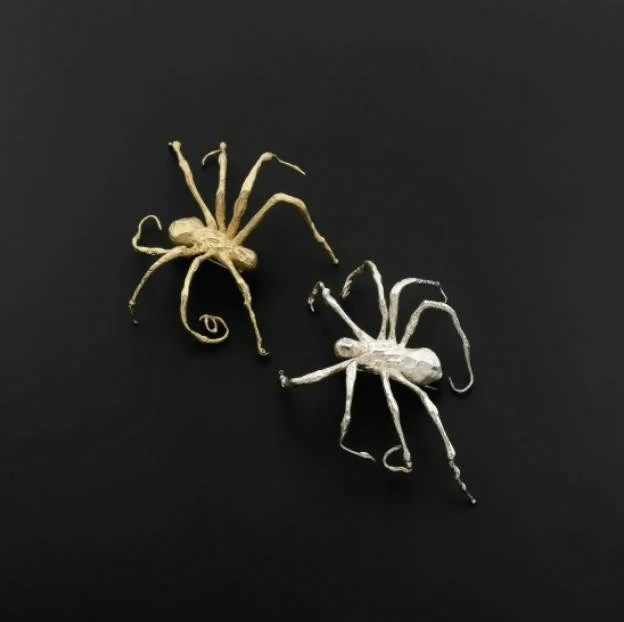
Louise Bourgeois „Spider Brooch“, 1996 / 2005, © VG Bild-Kunst Bonn 2025 (Foto: © Galerie 1900-2000, Paris)
From Louise Bourgeois to Yoko Ono: Jewelry Created by Women Artists
Museum of Applied Arts Cologne (MAKK) — through April 26, 2026
This exhibition starts from a simple but overdue premise: women artists have long used jewelry as a serious artistic medium, even when institutions failed to take it seriously. Bringing together 90 works by 45 artists from the 1920s to today, MAKK reframes jewelry as a site of experimentation, authorship, and intellectual inquiry.
The historical range is broad, but the intent is focused. Artists such as Louise Bourgeois, Meret Oppenheim, Yoko Ono, and Niki de Saint Phalle approached jewelry not as accessory but as extension—of the body, of psychology, of political thought. Contemporary voices like Alicja Kwade and Joana Vasconcelos push that logic further, using scale, repetition, and conceptual frameworks to challenge what jewelry can physically and philosophically be.
Rather than arguing for inclusion, the exhibition assumes relevance. It treats these works not as exceptions within jewelry history, but as evidence that the field itself has always been more expansive than its canon suggests.
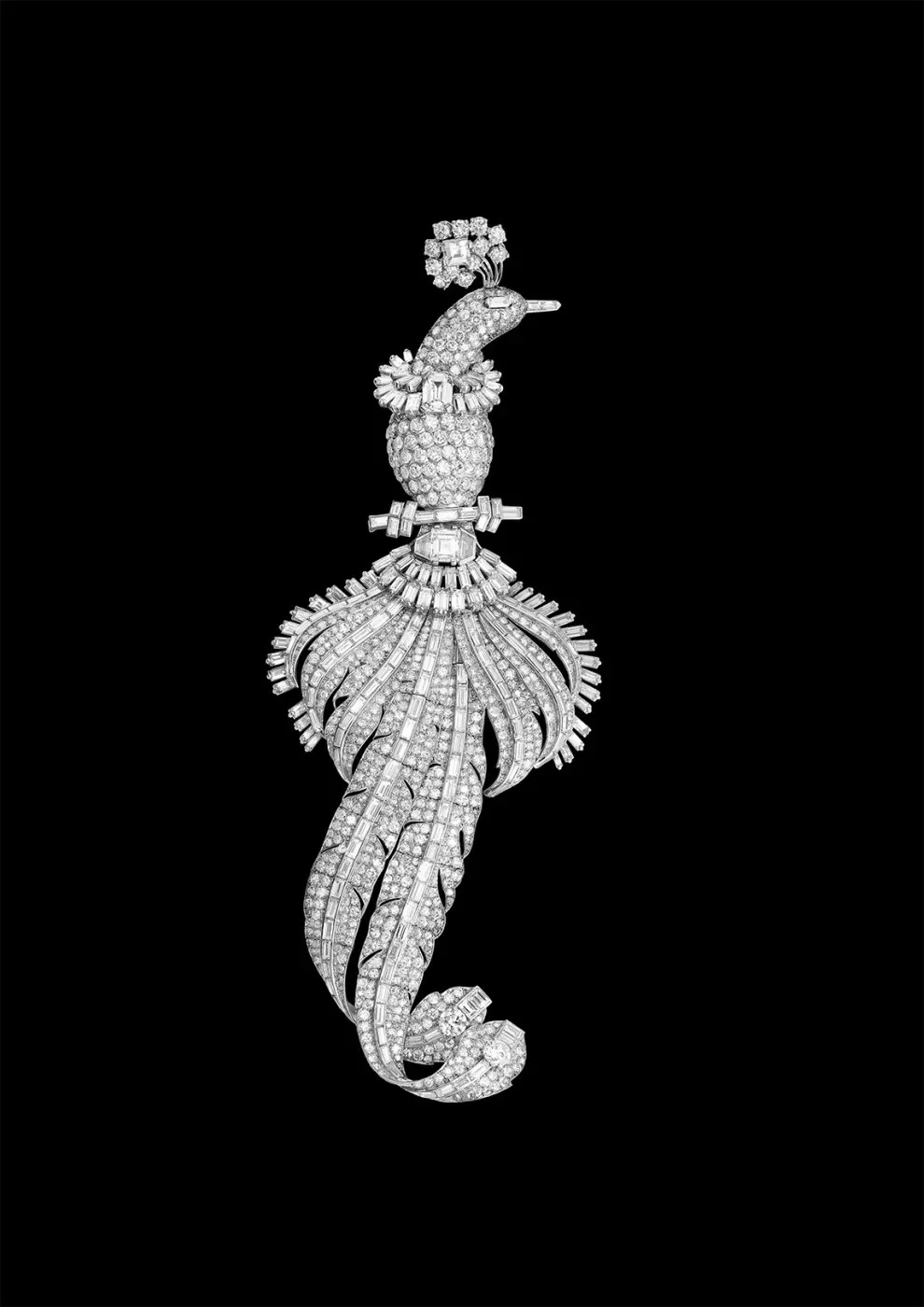
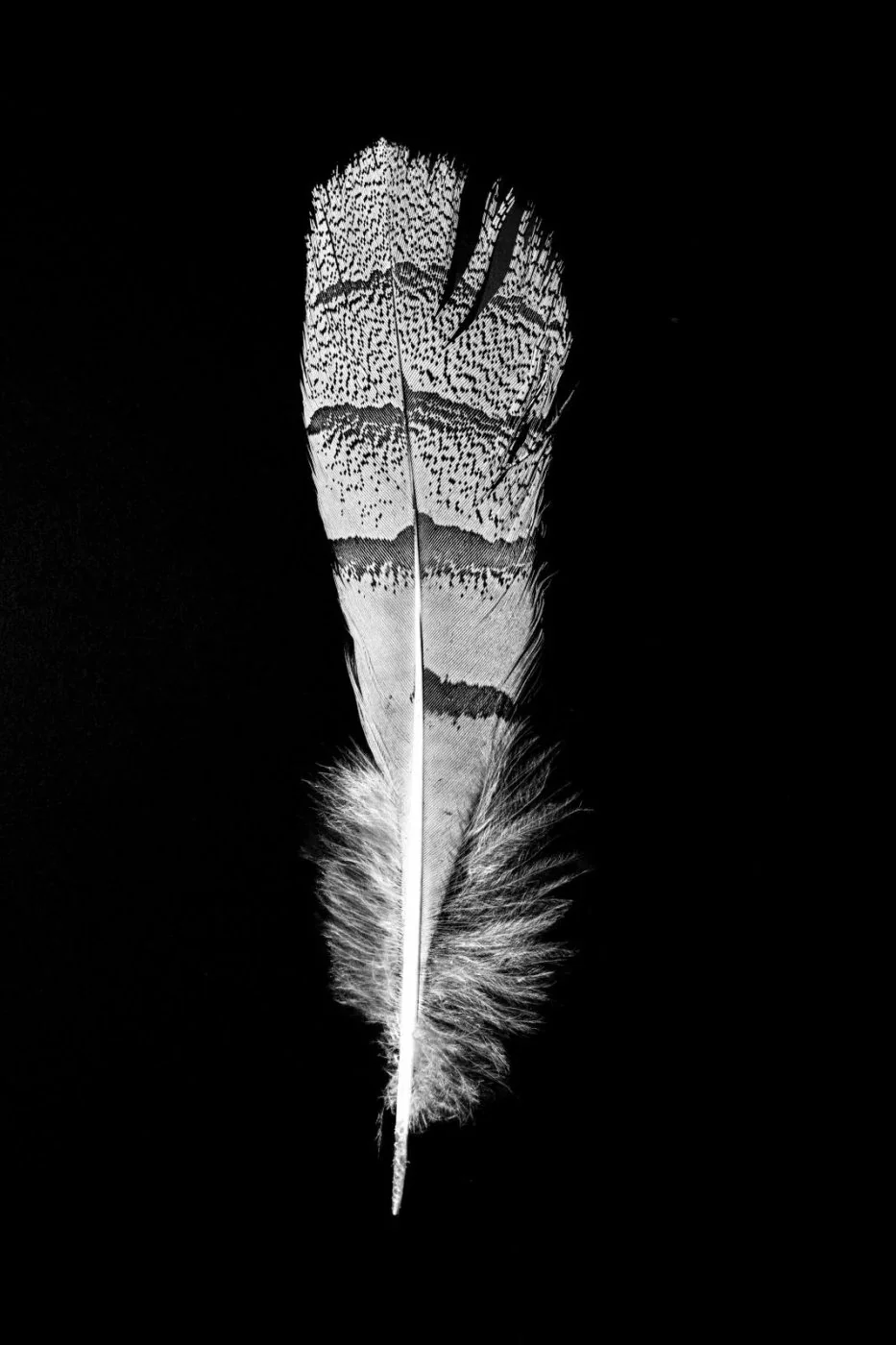
The Poetry of Birds
L’ÉCOLE, School of Jewelry Arts Dubai — through April 25, 2026
Birds have long functioned as symbols of freedom, transition, and the unseen—particularly within Middle Eastern visual culture. This exhibition, presented by Van Cleef & Arpels, uses that symbolism as a connective thread, bringing together jewelry, precious objects, preparatory drawings, and works from regional collections.
Pieces by Van Cleef & Arpels appear alongside creations by Cartier, Buccellati, and Fabergé, as well as carpets, ceramics, and manuscripts. The curatorial approach privileges resonance over hierarchy, allowing motifs to move fluidly between cultures and time periods.
The result is atmospheric rather than analytical. It’s less concerned with chronology than with continuity—how a single image migrates across materials, geographies, and belief systems. For its setting, the exhibition feels appropriately grounded, offering a jewelry narrative shaped by local cultural meaning rather than imposed from elsewhere.
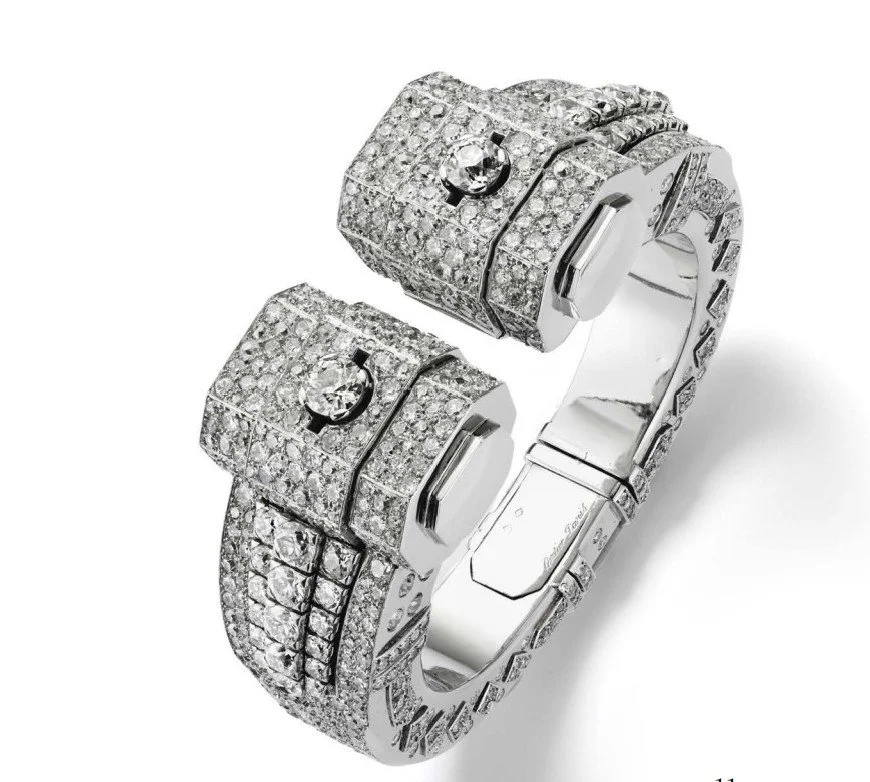
Cartier Paris — Bracelet Paris, commissioned in 1934, Platinum, diamonds Cartier Collection
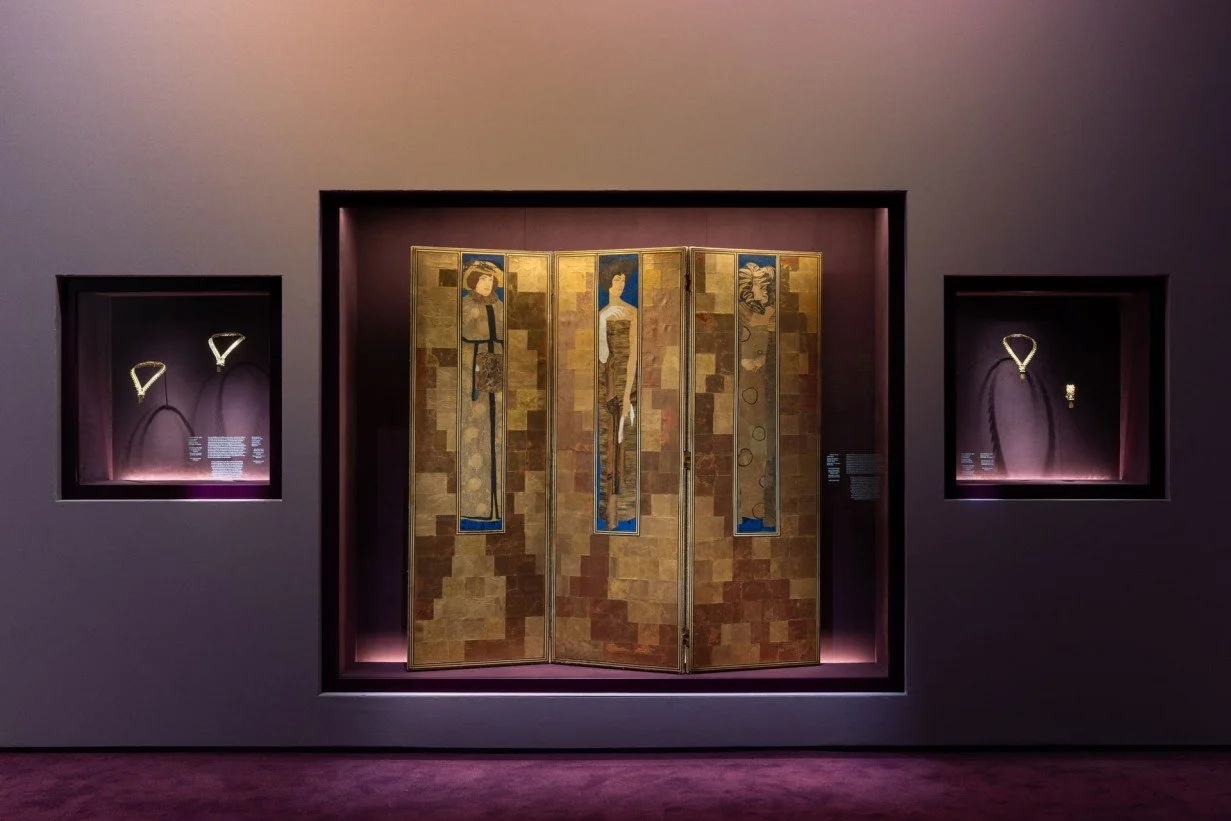
1925–2025: A Century of Art Deco
Musée des Arts Décoratifs, Paris — through April 26, 2026
Marking one hundred years since the 1925 Paris exhibition that defined Art Deco, this ambitious retrospective traces the style’s evolution from radical modernity to enduring reference point. Nearly 1,000 objects—spanning furniture, fashion, graphic design, and jewelry—map how thoroughly Art Deco reshaped visual culture.
The jewelry galleries are particularly strong. Sculptural brooches by Raymond Templier and Jean Després sit alongside hardstone experiments by Boucheron and the refined precision of Van Cleef & Arpels. Cartier occupies a central role, with archival pieces and designs that reveal a house actively inventing a new language—one built on geometry, restraint, and controlled luxury.
What becomes clear is why Art Deco jewelry continues to resonate. Its balance of structure and fantasy still feels contemporary, and its influence remains visible not only in museum cases, but in the market itself. A century on, the style hasn’t softened—it’s simply been absorbed.