An Interview with Stephane Rolland: Couture as Sculpture, Movement as Language
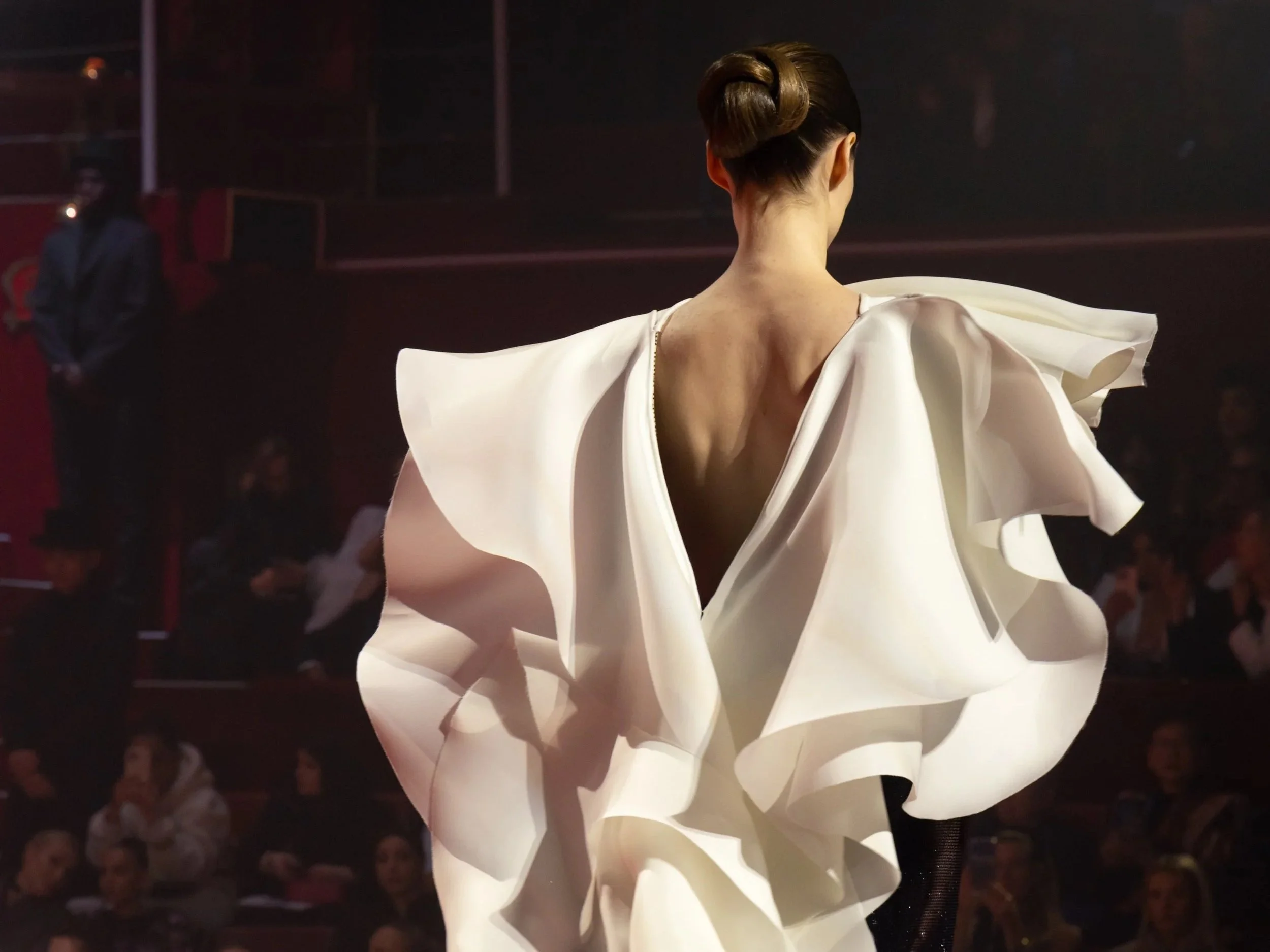
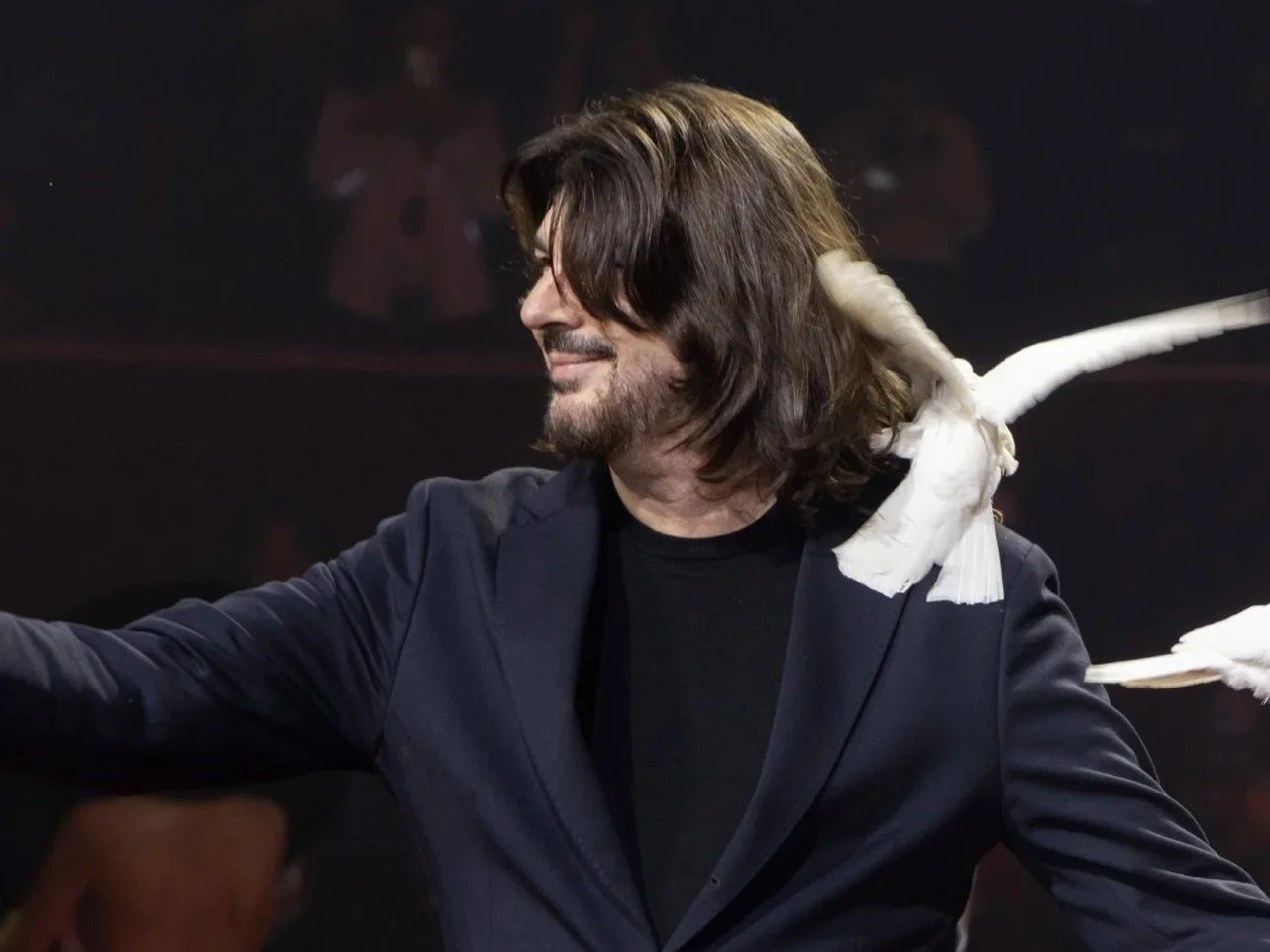
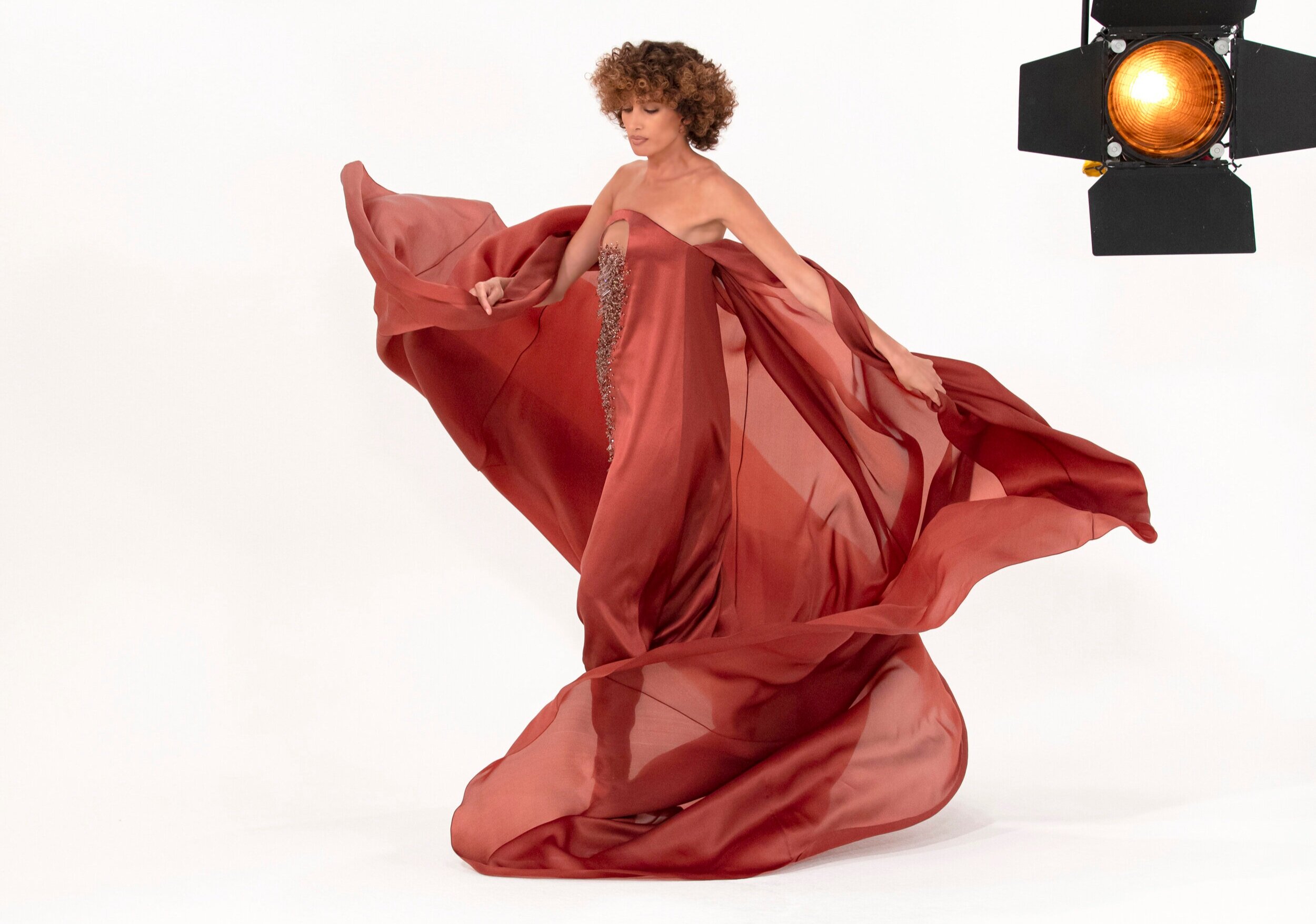
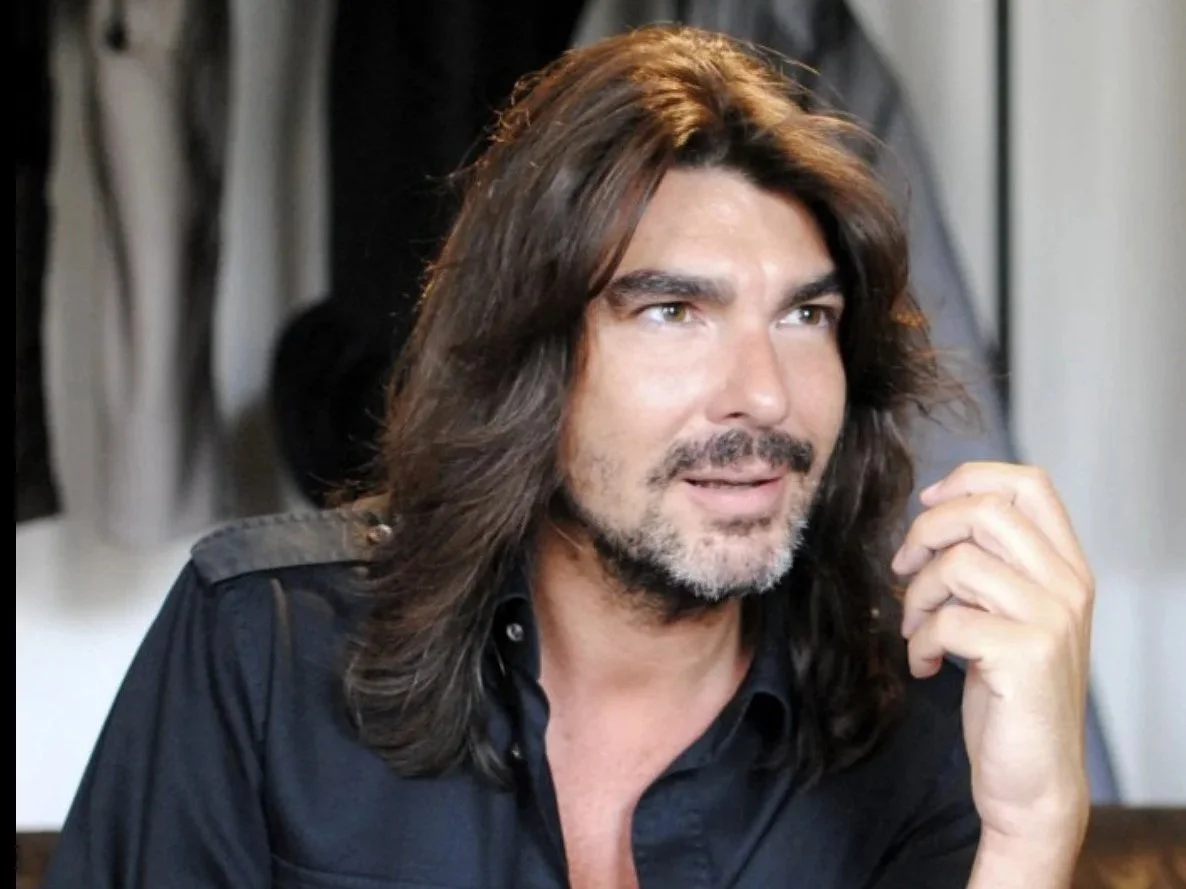
Stéphane Rolland's couture has never been about excess. It's about control — of volume, of line, of movement. Across nearly two decades, he has built a recognisable language rooted in architecture and discipline, where garments shape space as much as they dress the body. "Movement and architecture have always been at the core of my work," he tells Couturenotebook, seated in his all-white Paris salon surrounded by his latest collection. "Even when I explore minimalism, the kinetic energy remains. It's part of my language."
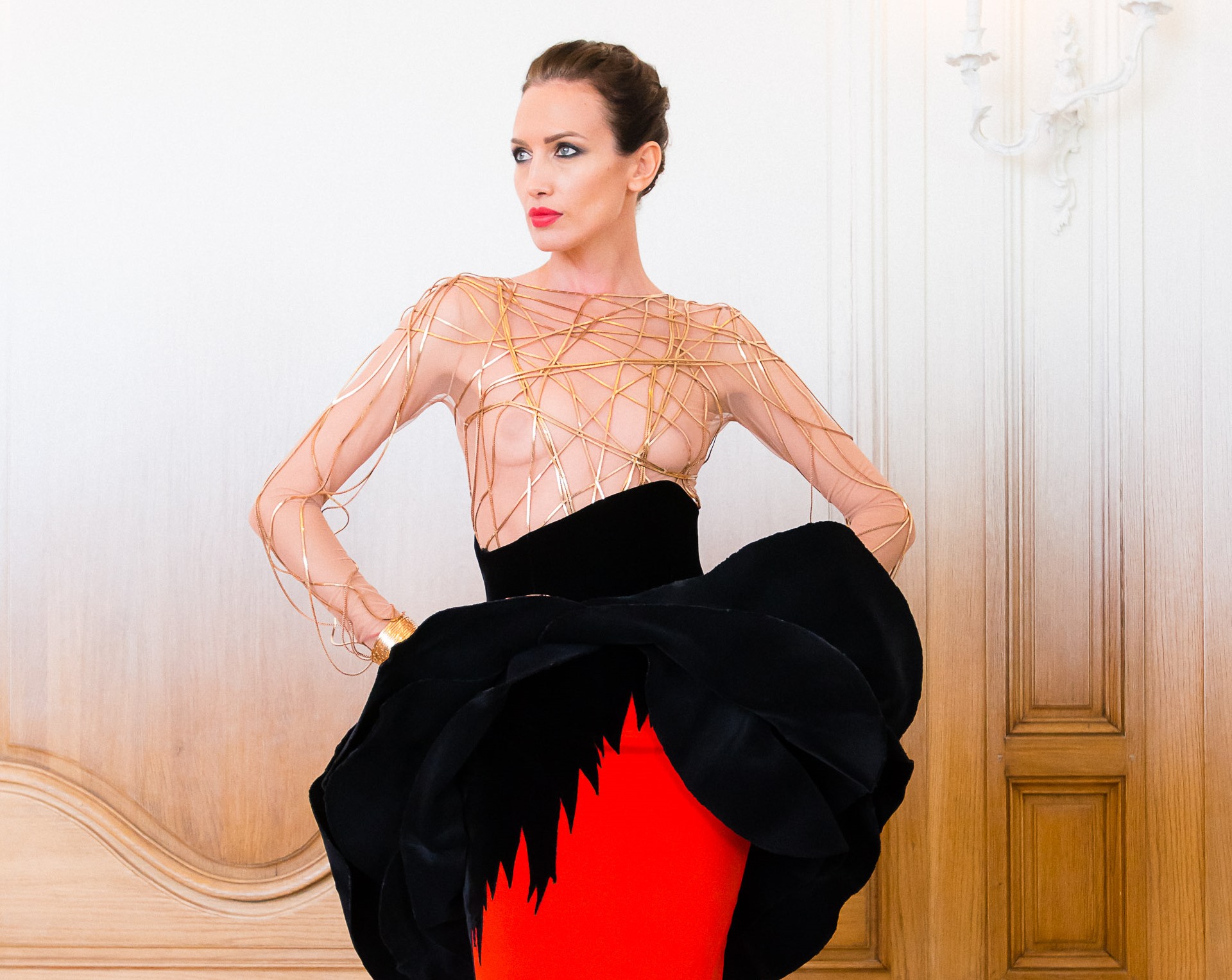
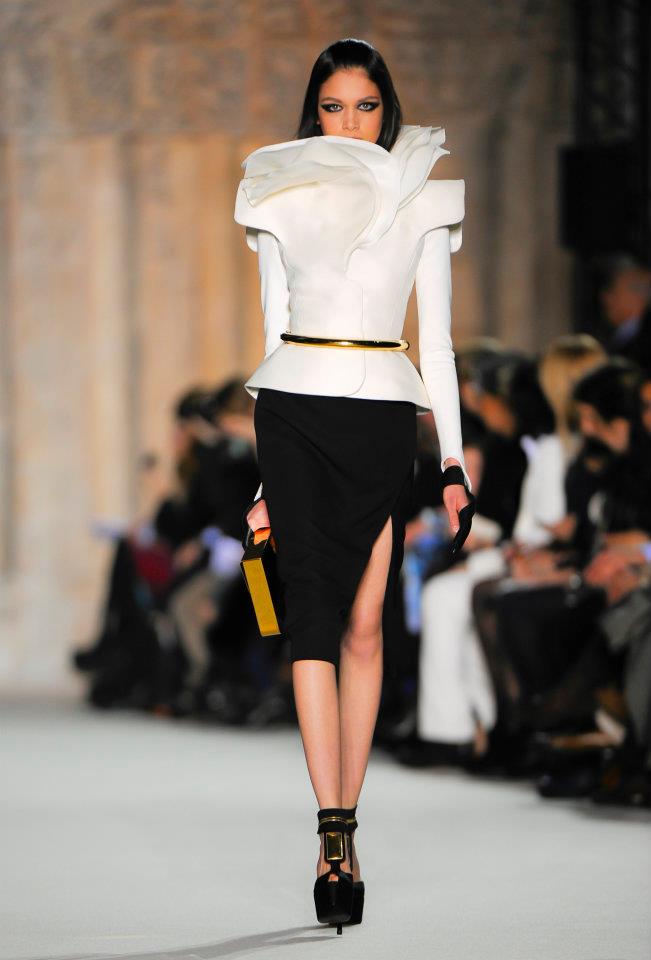
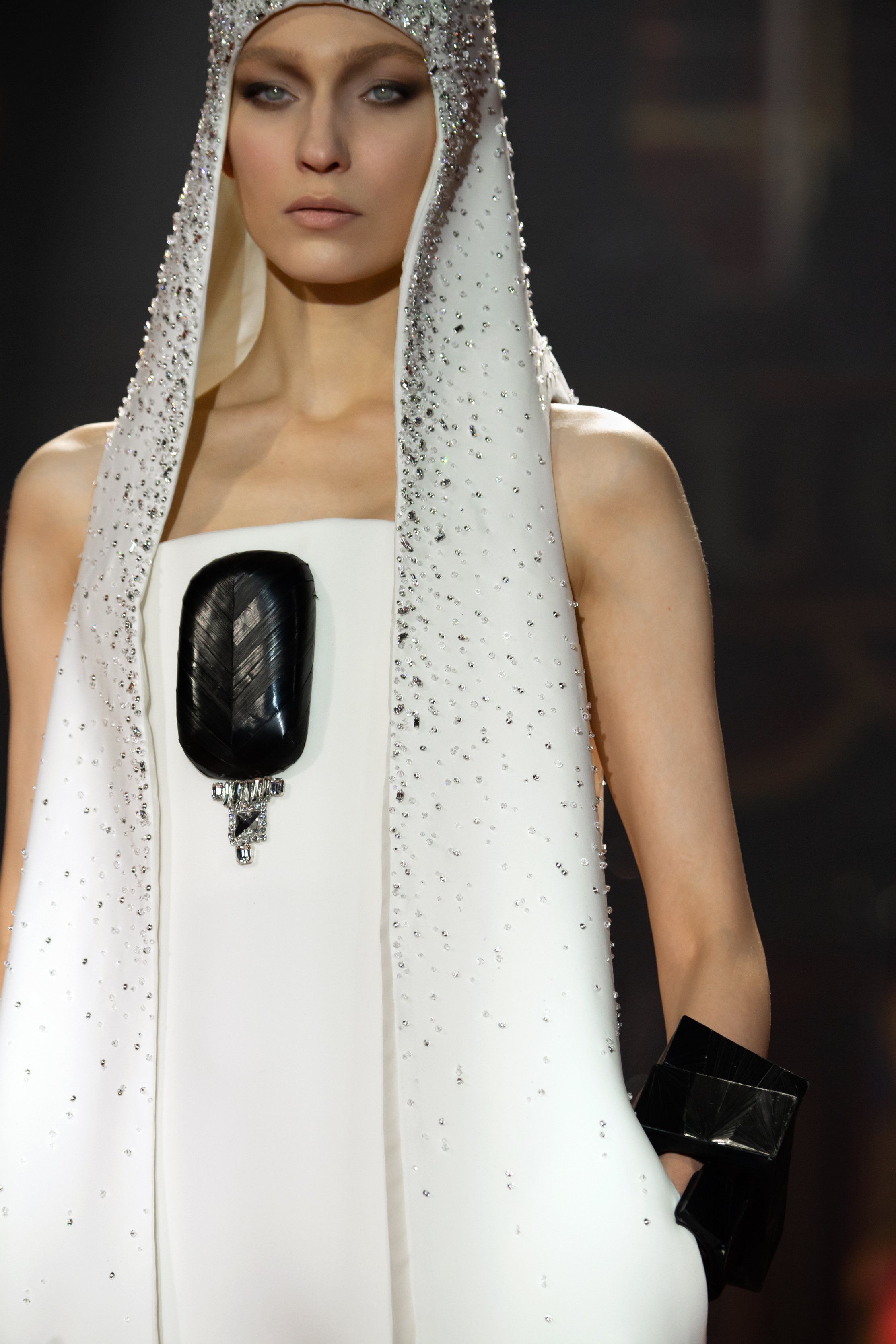
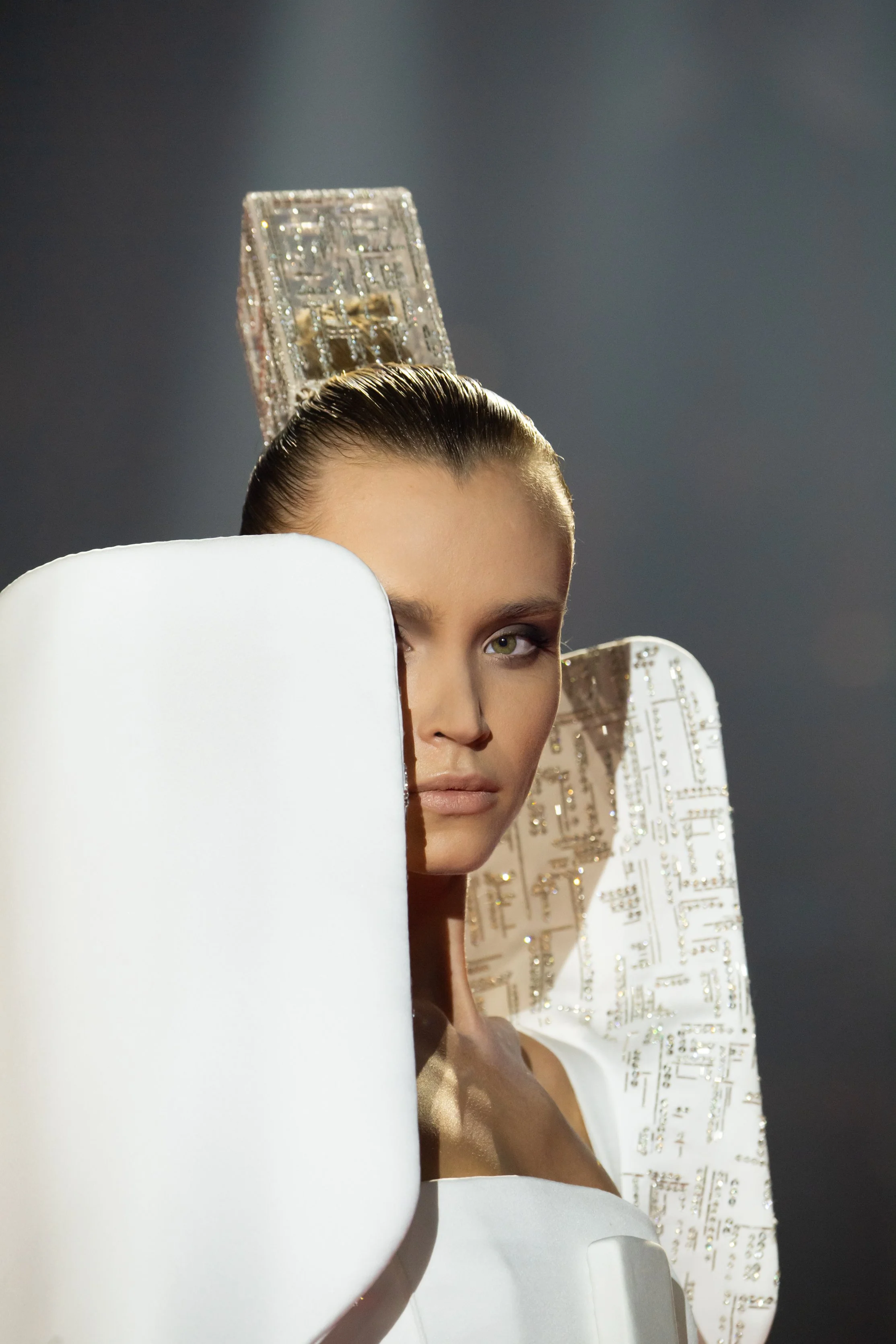
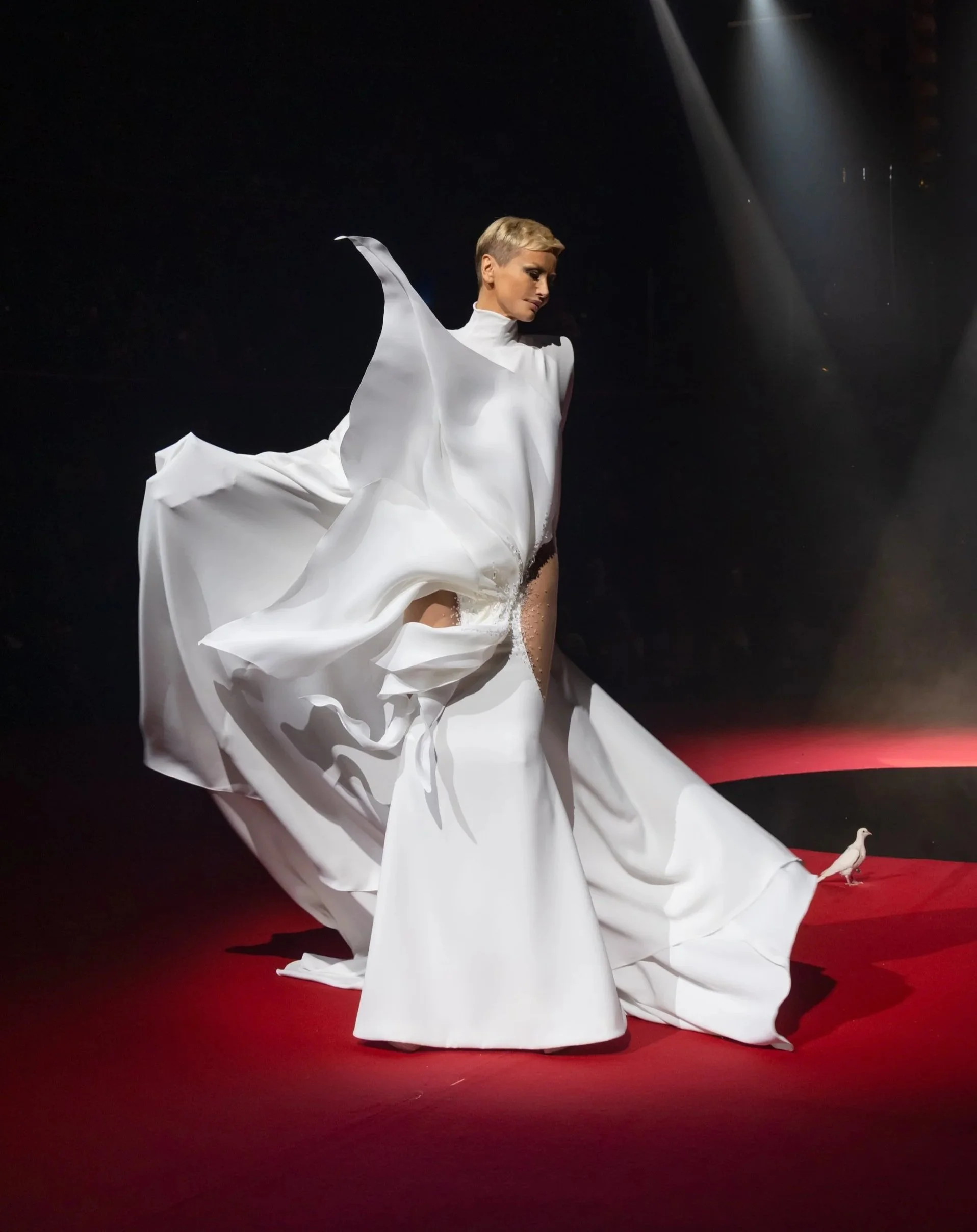
From his early days at Balenciaga, where he became the youngest creative director in the menswear division, to founding his own maison in 2007, Rolland has treated couture as a form of sculpture. Black gazar gowns that defy gravity, sweeping capes that float like breath in the air, and sharply structured shoulders punctuated by fluid lines are signature motifs. "I want to give women strength," he explains. "Strong architecture, yes, but always balanced with softness and movement. Straight lines with fluidity. That obsession comes from childhood — seeing women endure, I felt compelled to empower them."
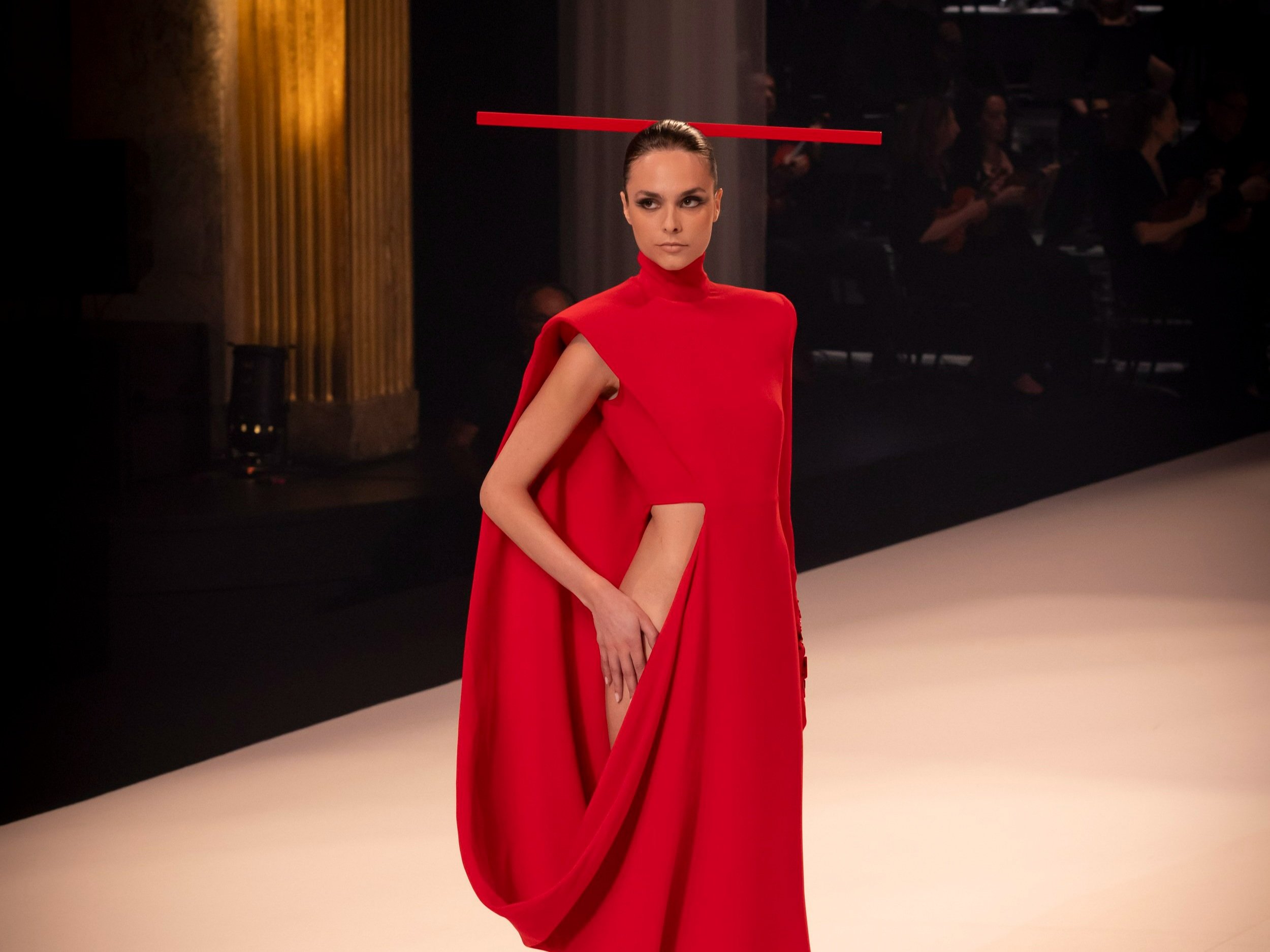
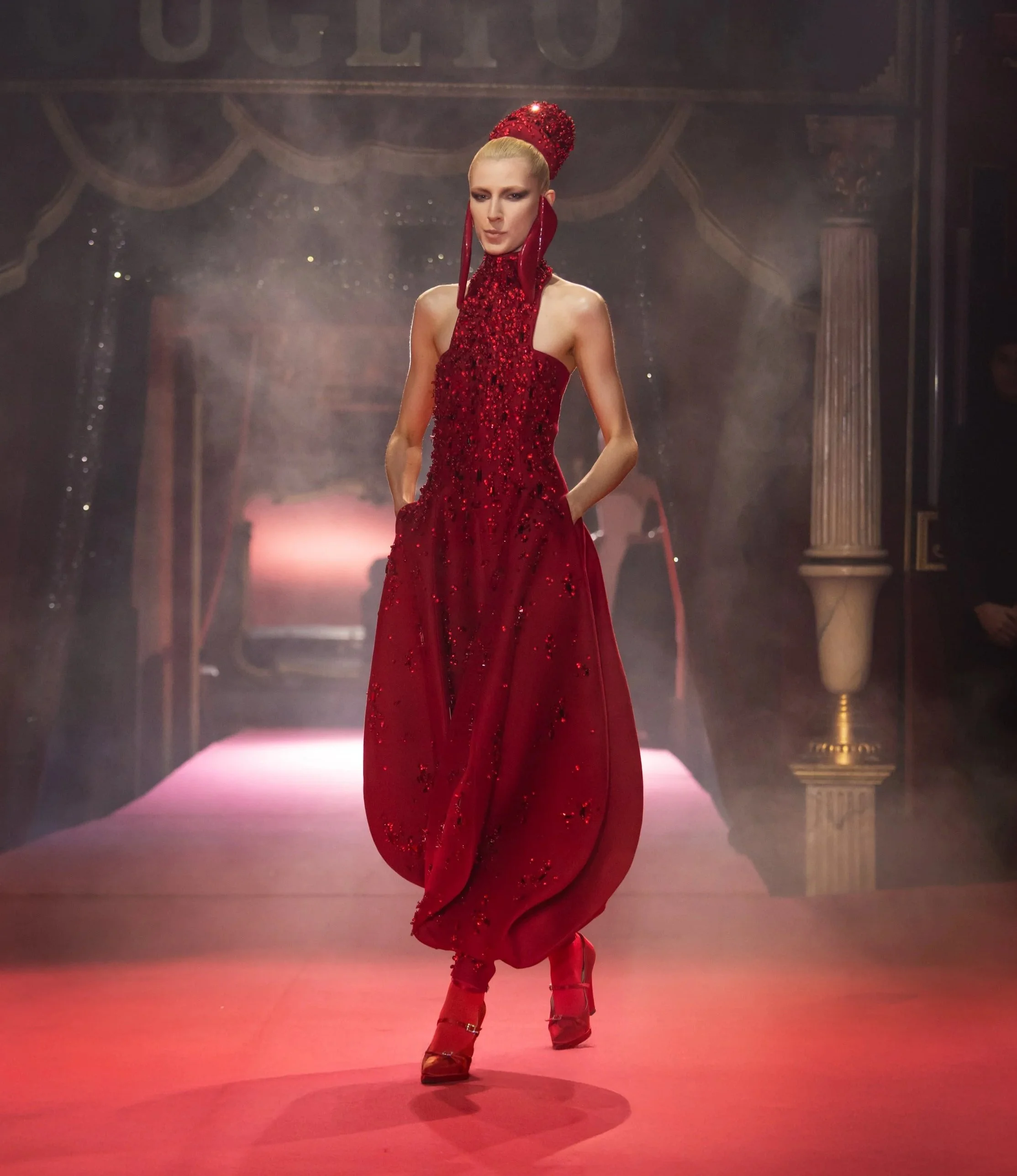
His Spring/Summer 2026 collection reflects this philosophy through a meditation on the circus — a reflection on ritual, discipline, and human fragility. Unlike the loud carnivals of imagination, Rolland's circus is quiet, almost sacred. The first silhouettes move forward deliberately: asymmetrical coat-dresses and jumpsuits that allow freedom while containing the body. "It all started when I watched a film called Yo-Yo by Pierre Étaix," he recounts. "It's a black-and-white silent film about a man who abandons wealth to join a circus. There's no dialogue, yet it's poetic and delicate. That feeling of nostalgia, freedom, and poetry became the collection's heartbeat."
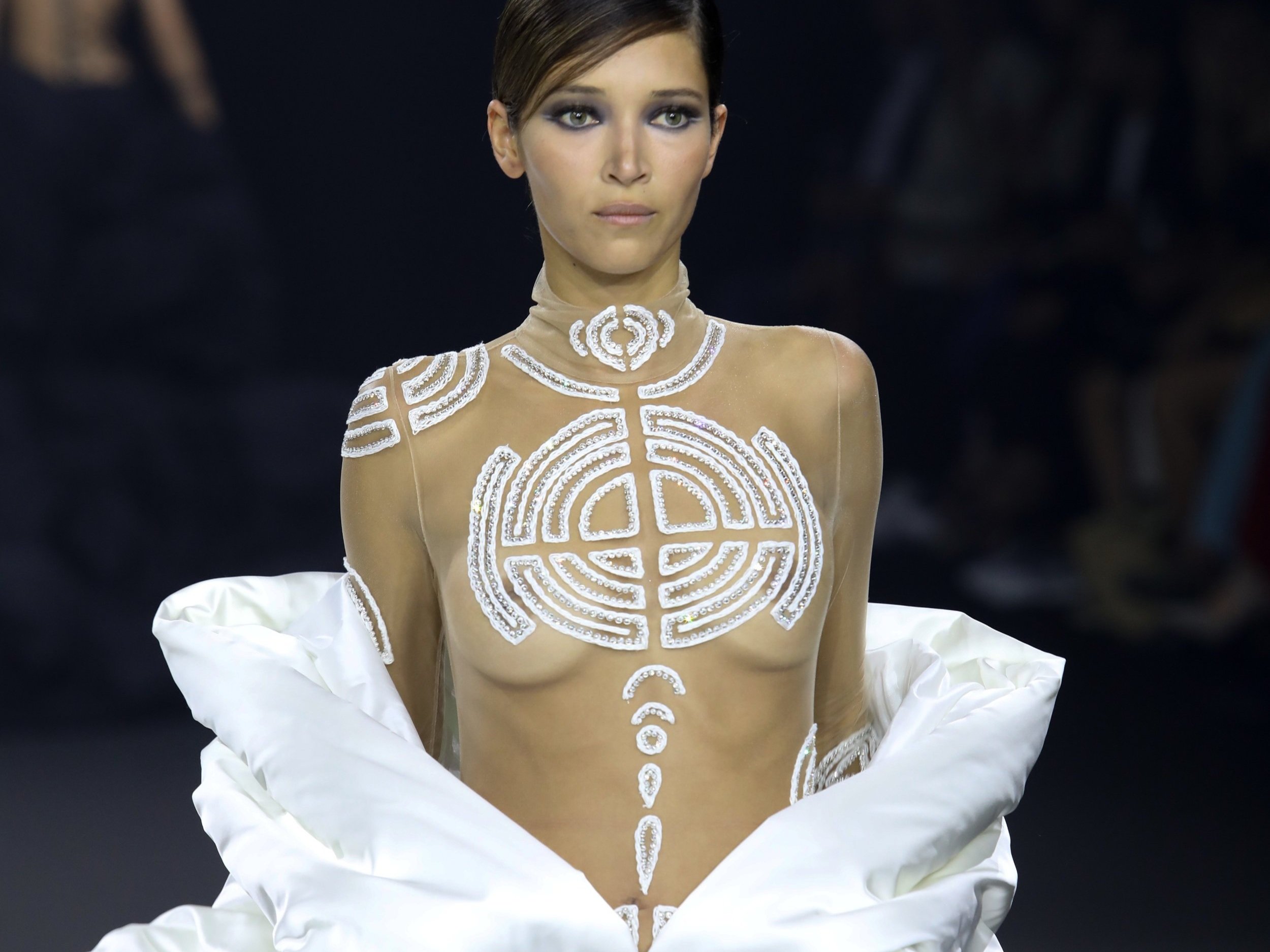
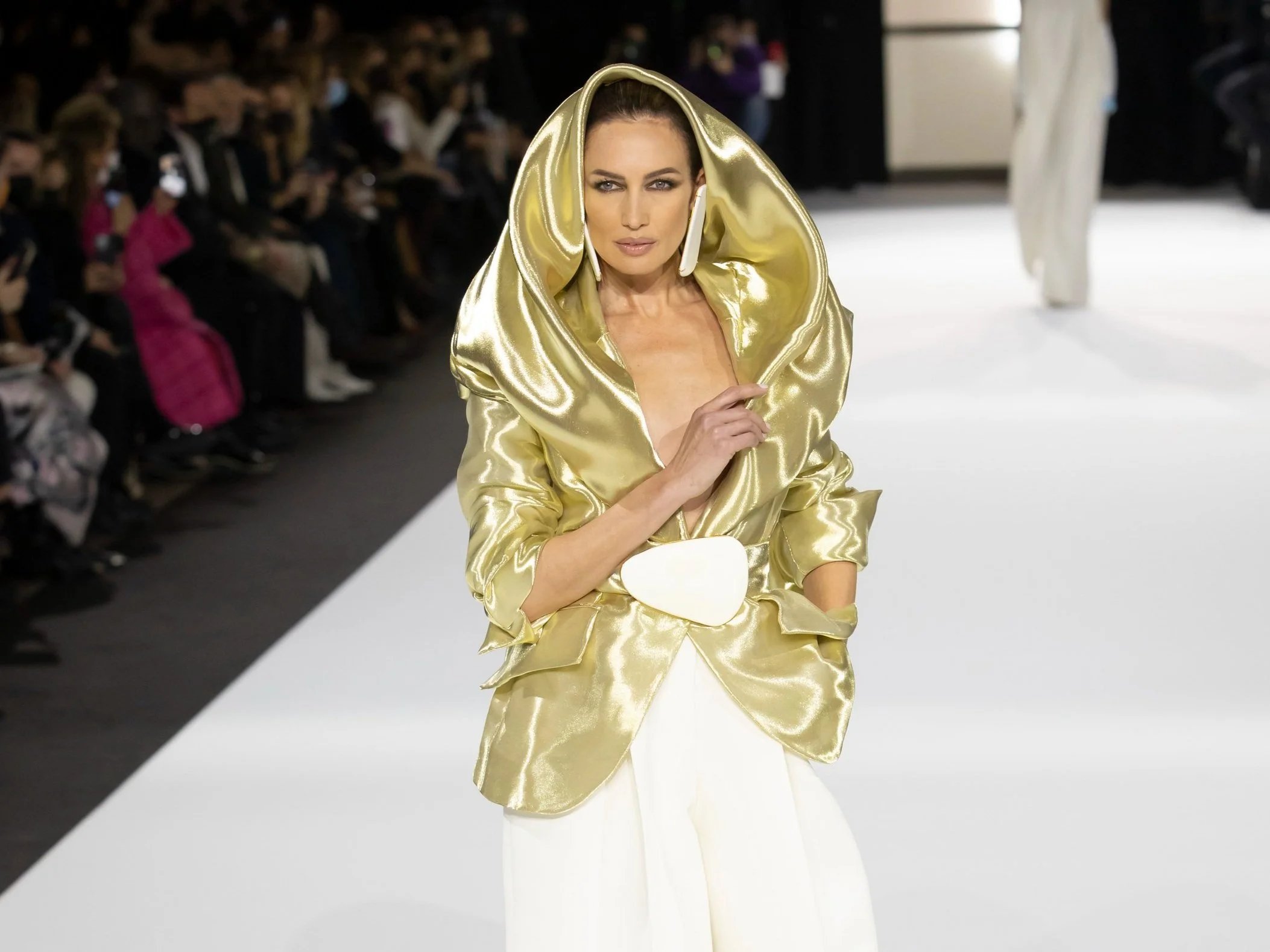
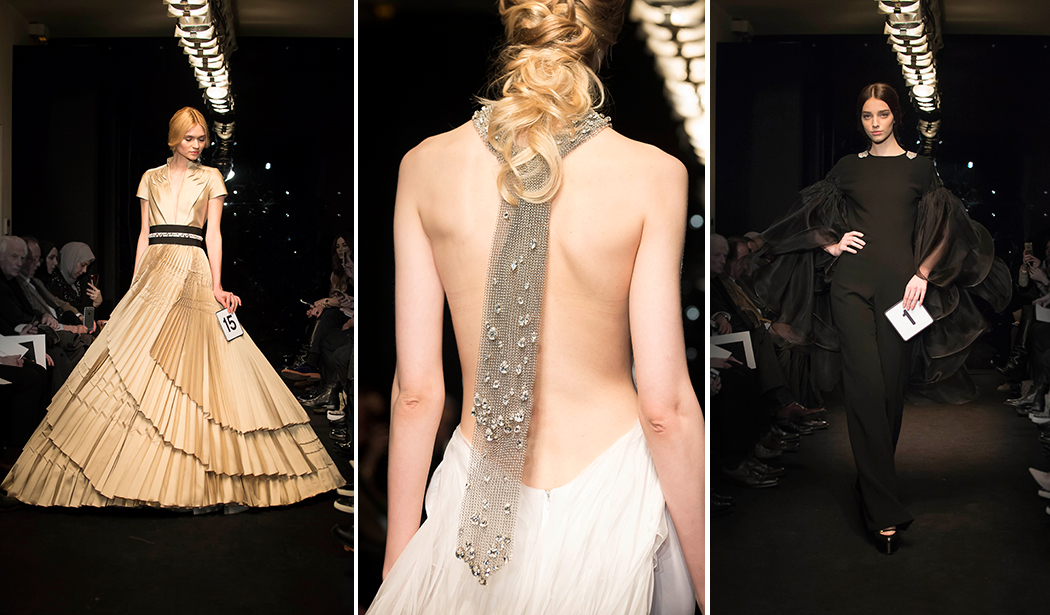
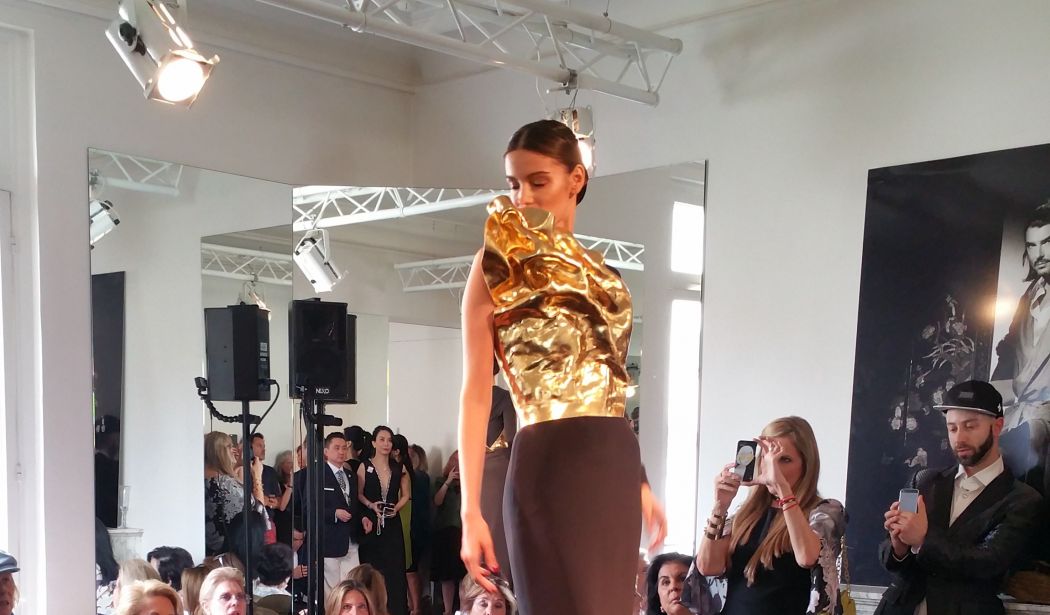
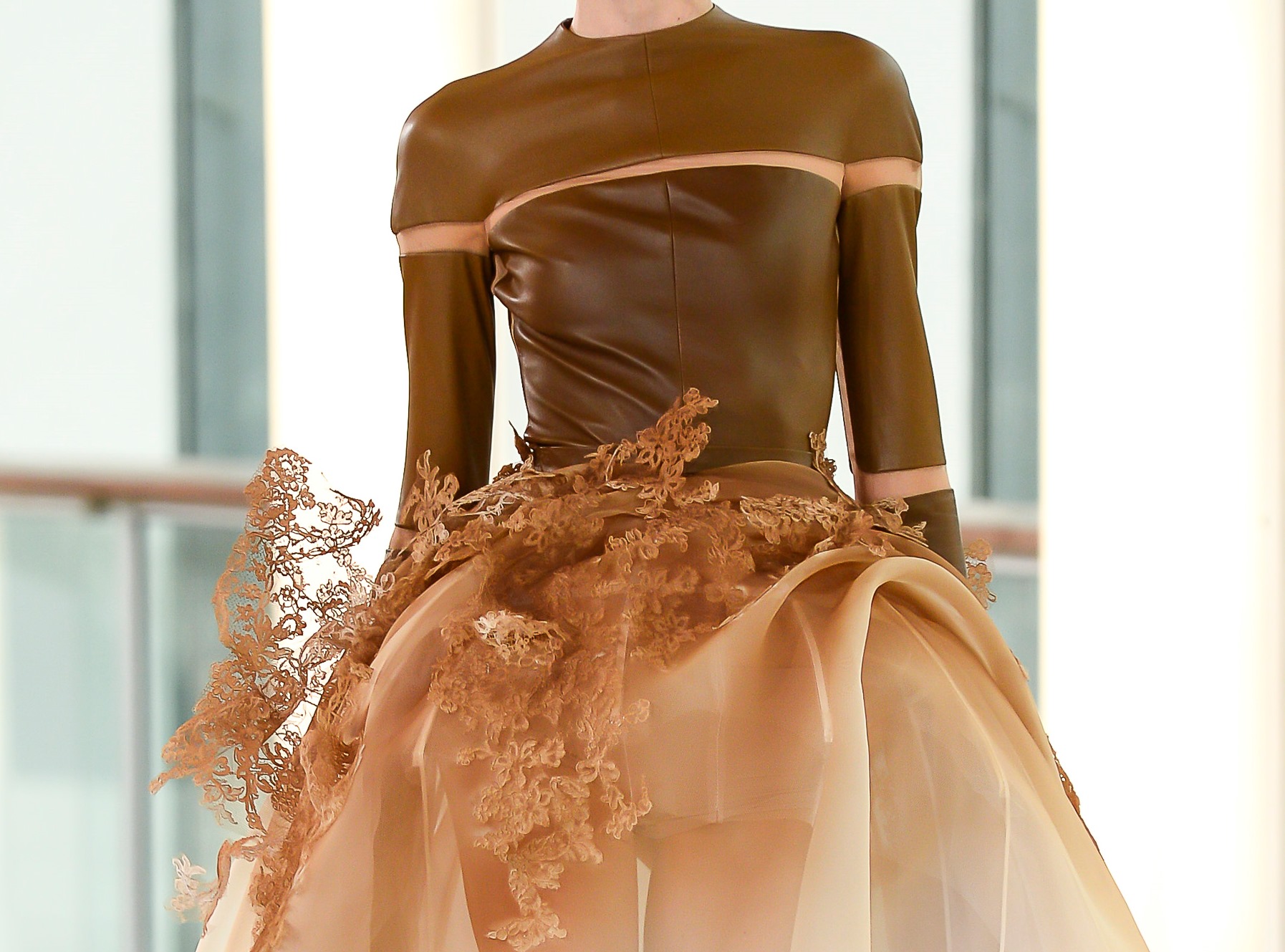
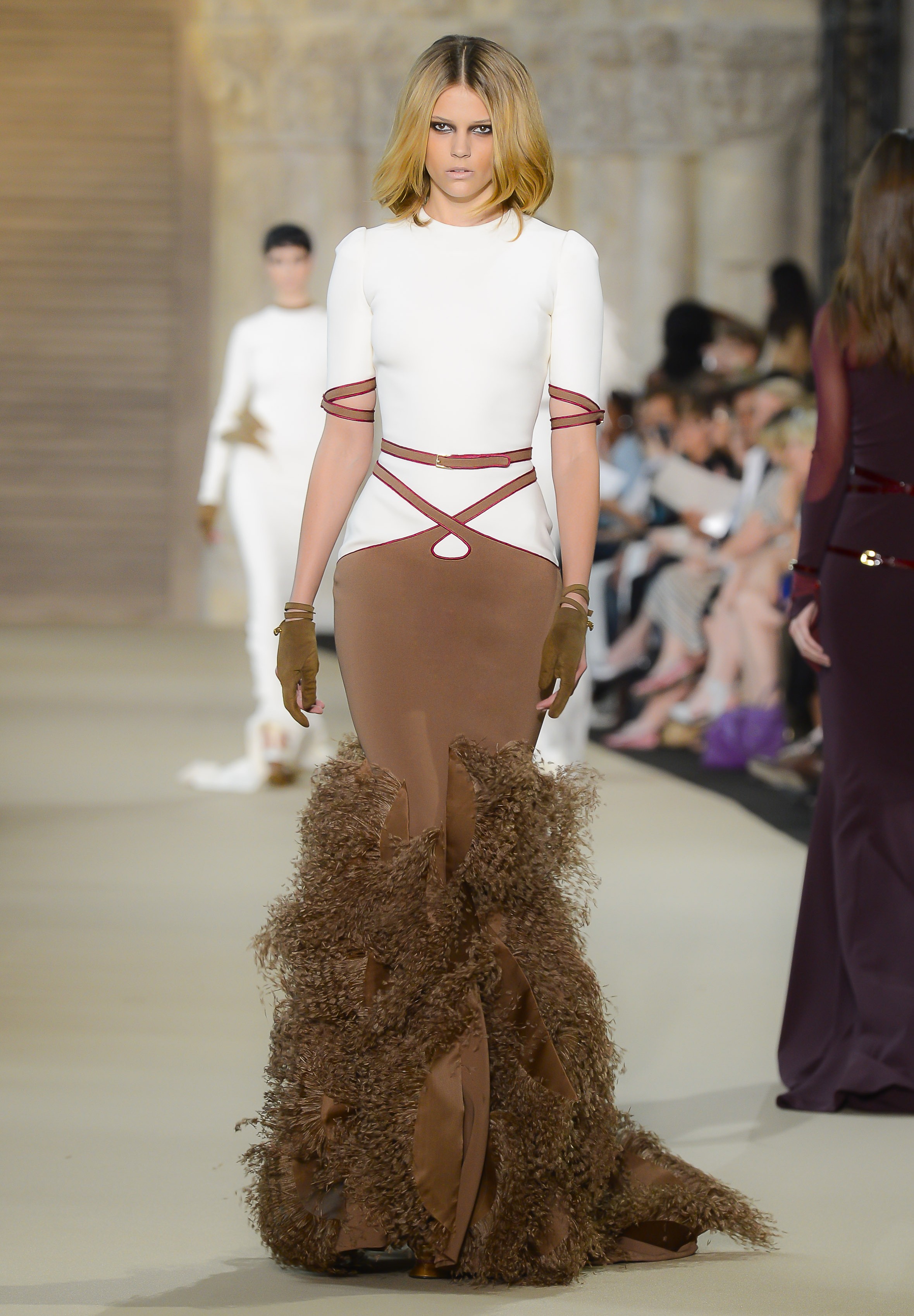
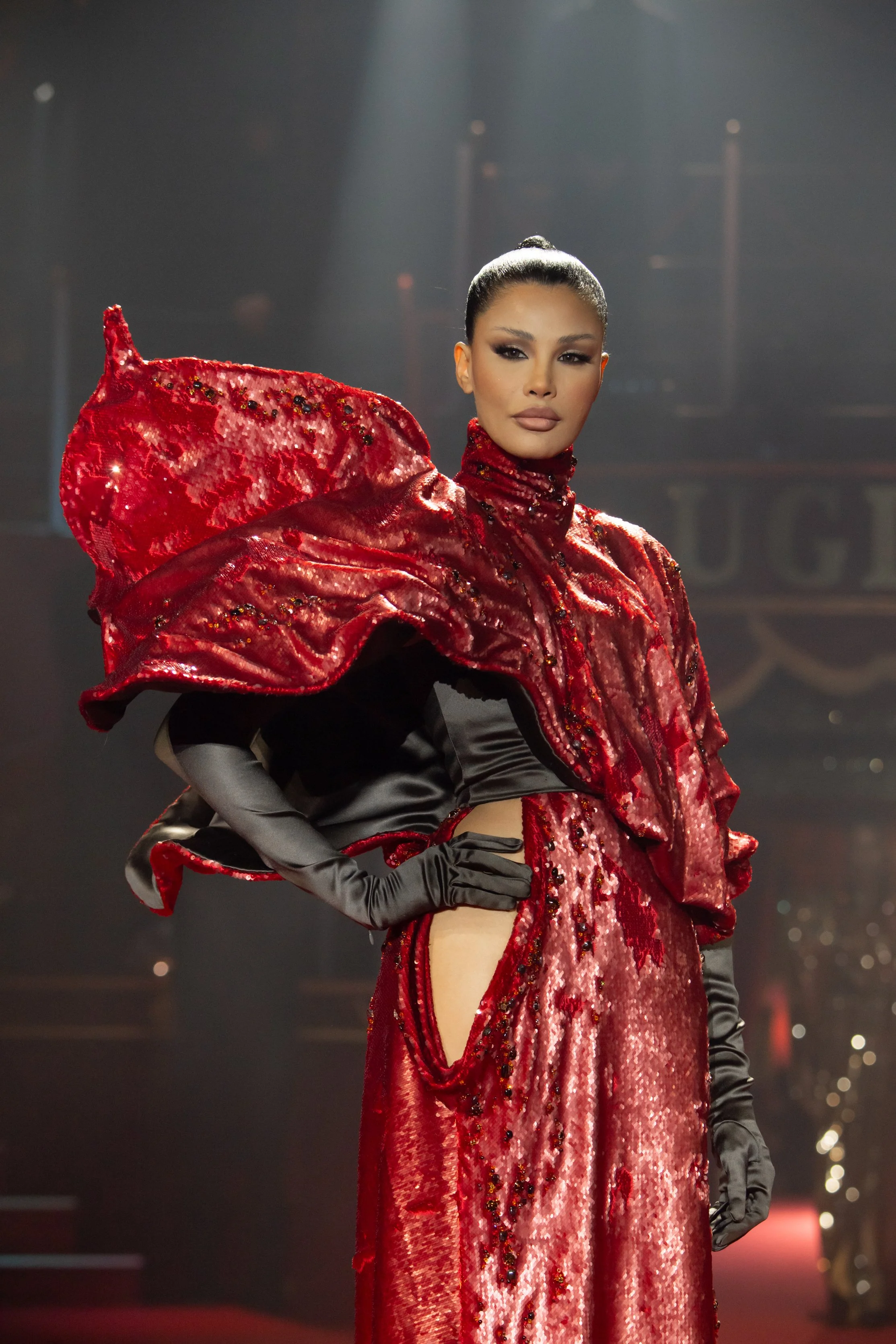
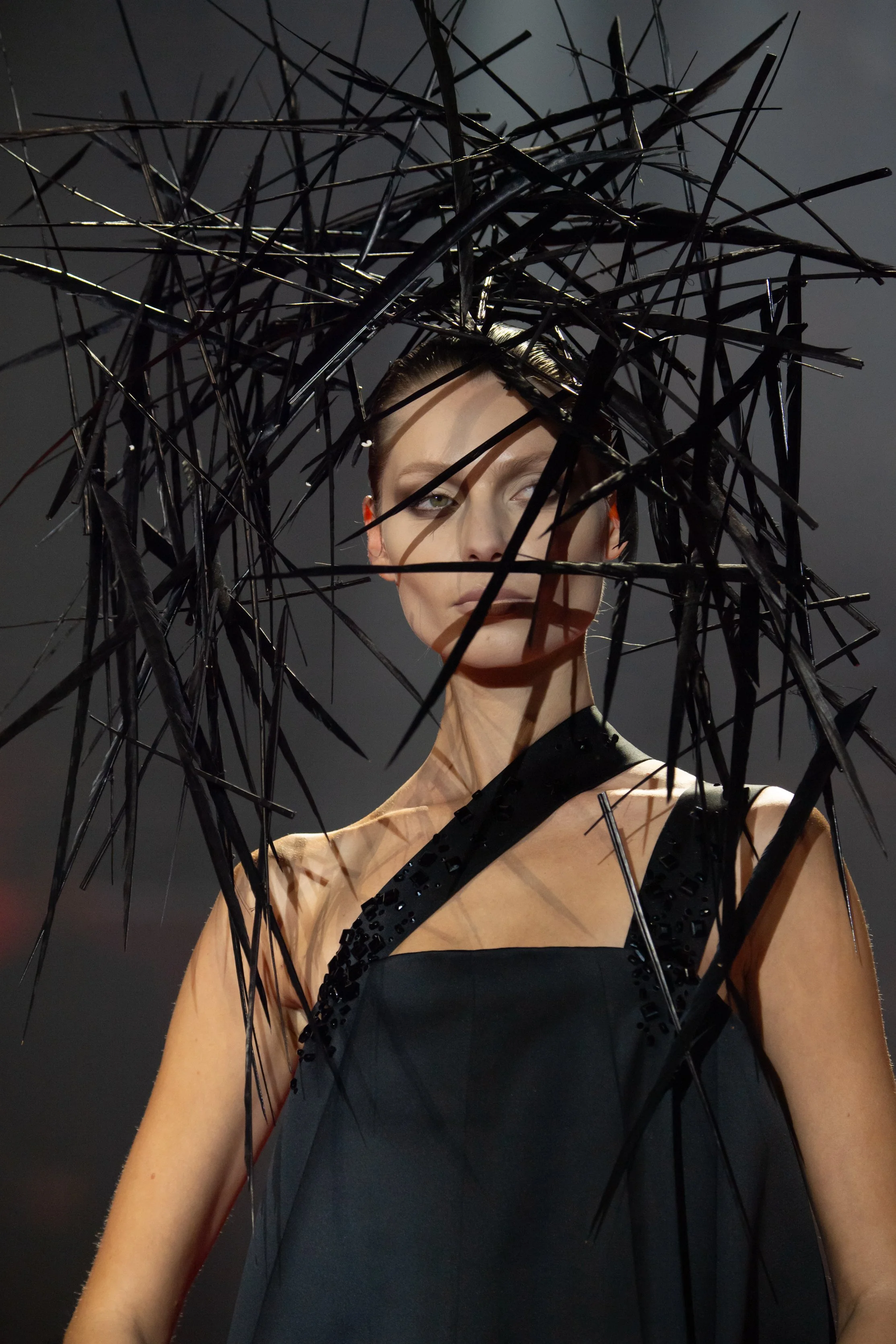
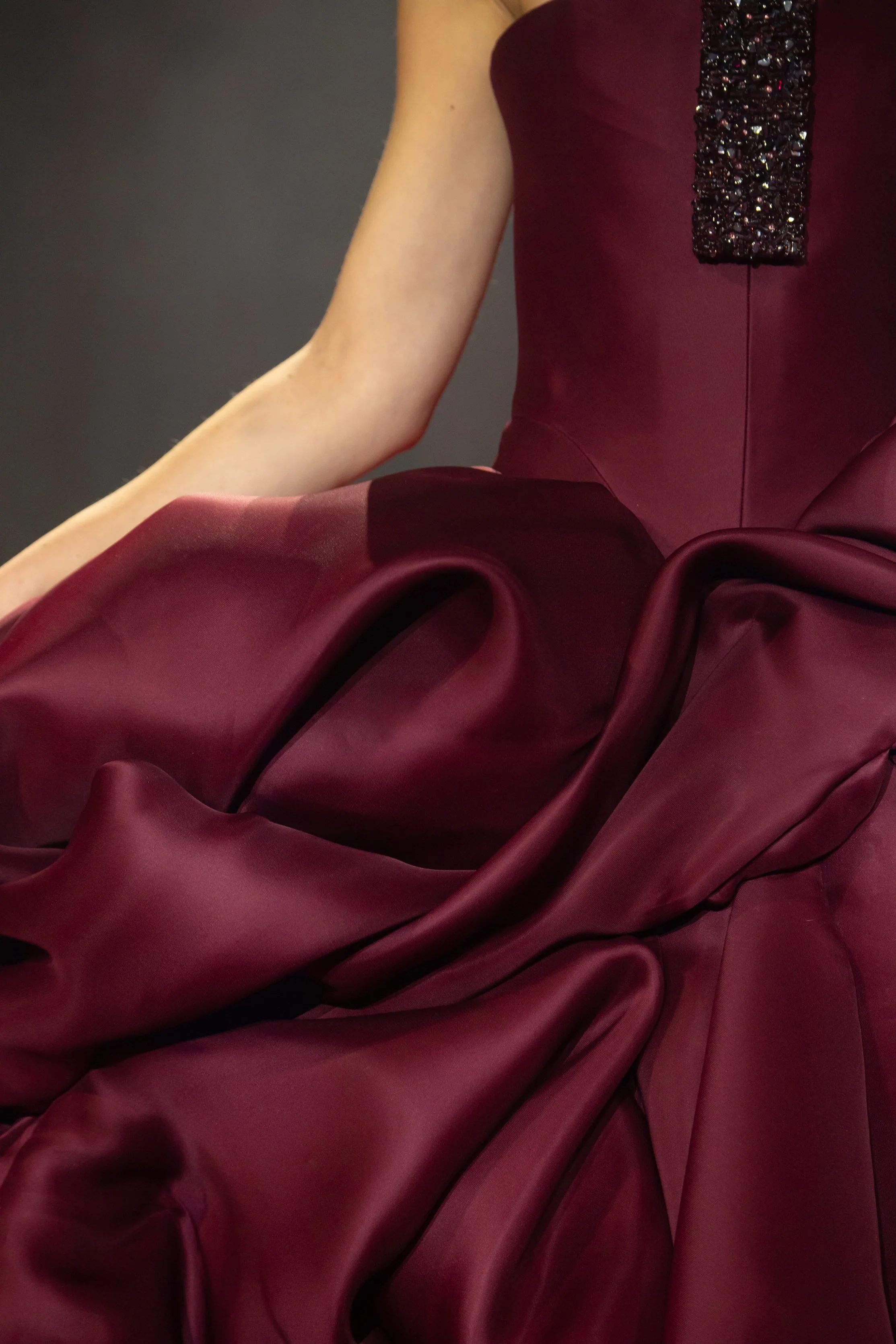
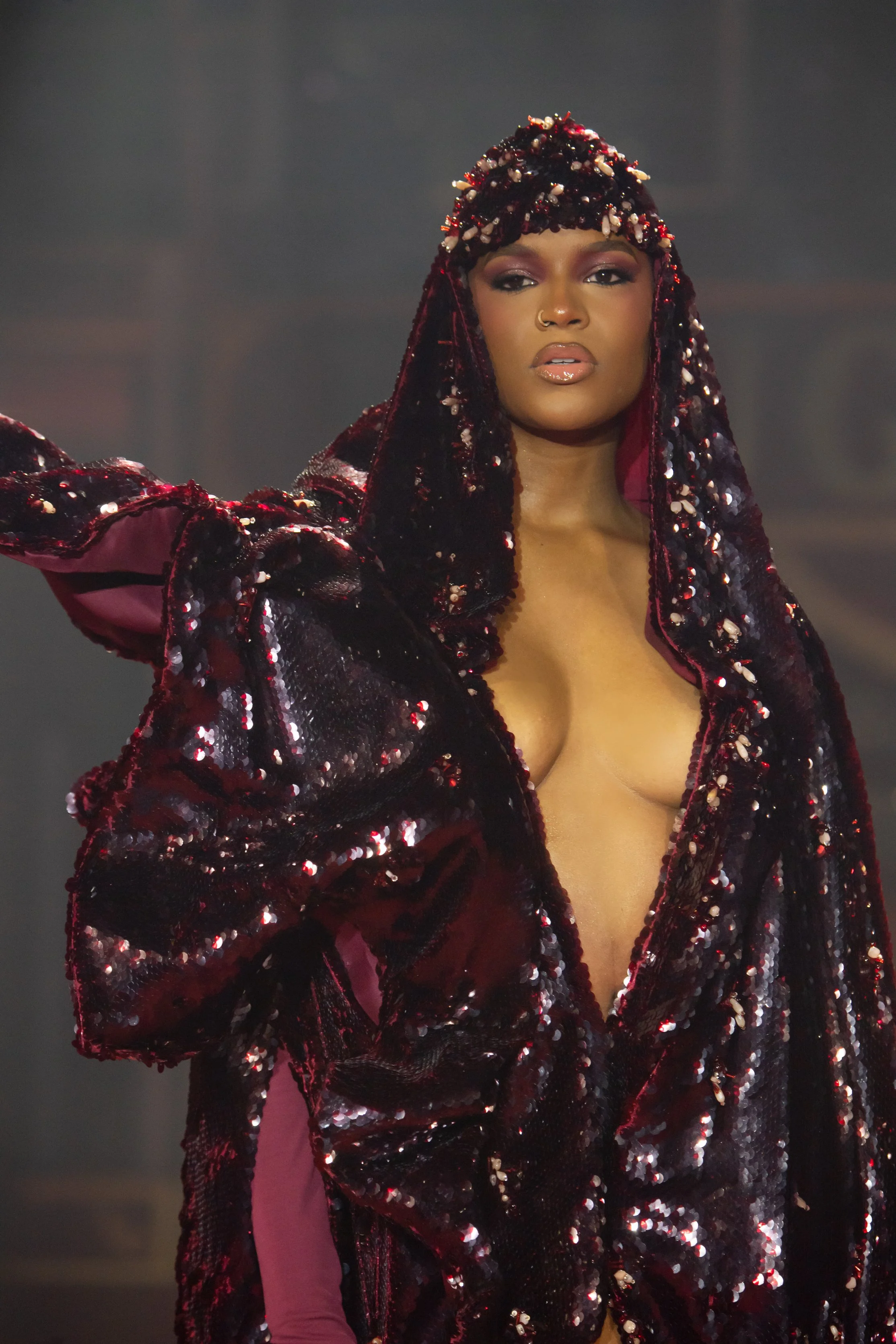
Rolland works with fabrics that can hold shape and structure. Gazar, duchess satin, and crepe aren't just materials; they define the silhouette, support volume, and respond to movement. Shoulder volumes, cubic sleeves, corolla skirts, and winged backs suggest the body in controlled tension. Embroidery, too, is carefully placed: diamonds, rubies, and topazes discreetly shimmer, never ostentatious. "I want intimacy," he says of the jewelled pieces. "From afar, you may not notice them. You have to come close. That closeness is important — it's honest, it's reality."
Another key inspiration was Pablo Picasso and his fascination with the circus. Rolland presented the collection at the Cirque d'Hiver Bouglione, a historic Parisian venue founded in 1852 and still dedicated to circus performance, giving the show a rare sense of place. The collection draws from Picasso's Parade (1917), a ballet with sets and costumes designed by the artist that celebrated acrobats, clowns, and street performers. Rolland doesn't illustrate these figures—he captures their essence: the tension between gravity and fragility, the geometry of movement, and the nobility found in marginal, human characters, translating them into silhouette, volume, and subtle gestures in fabric.
Doves, also dear to Picasso, embroidered or suggested across garments, act as silent punctuation — reminders of hope and renewal in an unstable world. Music shapes the runway's tempo: Erik Satie's restrained, hypnotic repetitions, paired with Nino Rota's melancholy. "Claude Lelouch once told me, 'I always start with the music before filming. The music drives the images.' I'm exactly the same. Music opens something inside me — it brings the emotion first. Then everything follows," Rolland explains.
The technical mastery is everywhere, but it never announces itself. A burgundy dress, embroidered with rubies and garnets yet unlined, rises like a sculpted statue, supported by a hidden metallic corset. Sequins, rarely used in his work, are transformed — embedded with stones to avoid any sense of commercial flash. "Gazar is alive," he says. "You can't dominate it; you have to feel it, work with it. It surprises you every time."
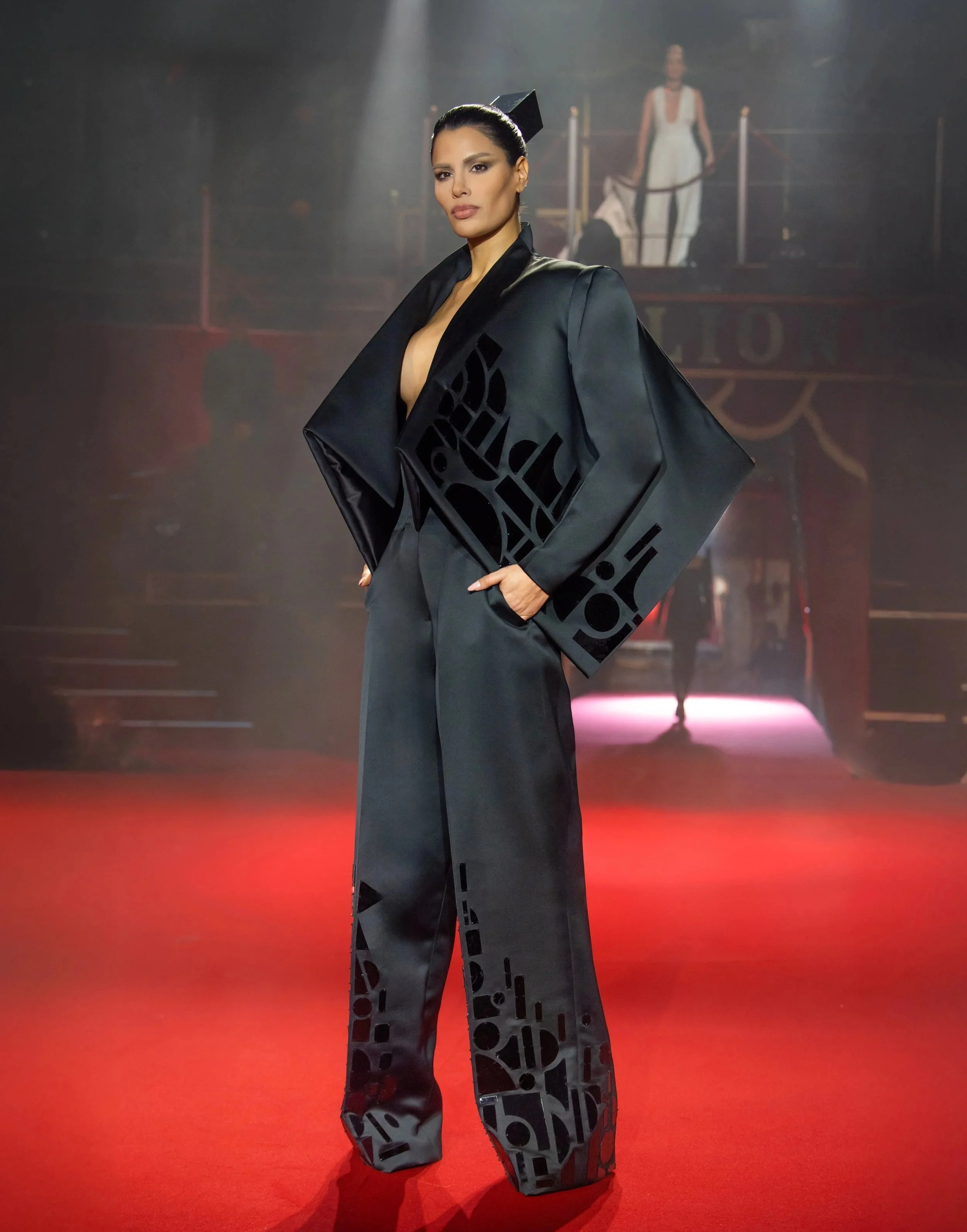
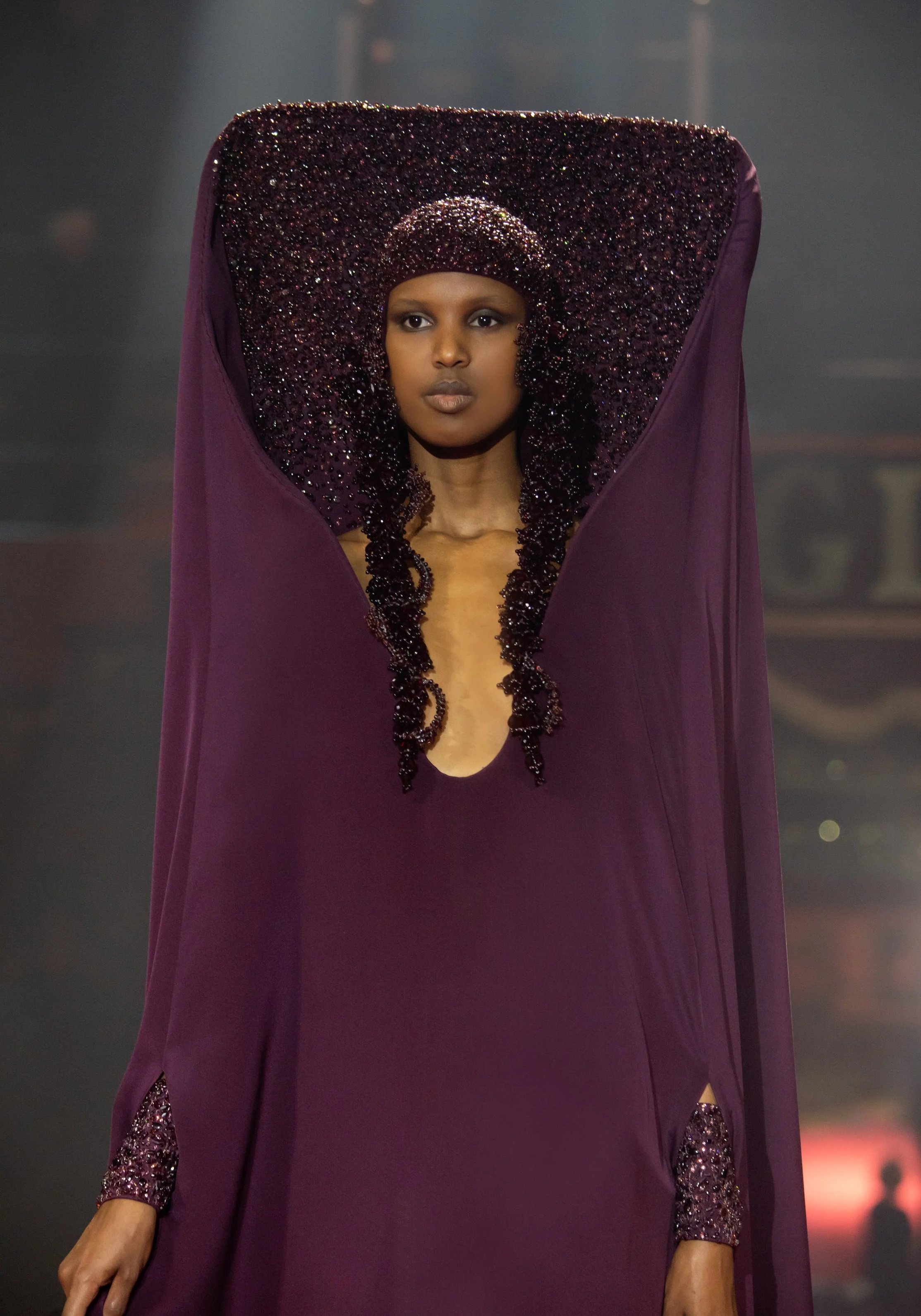
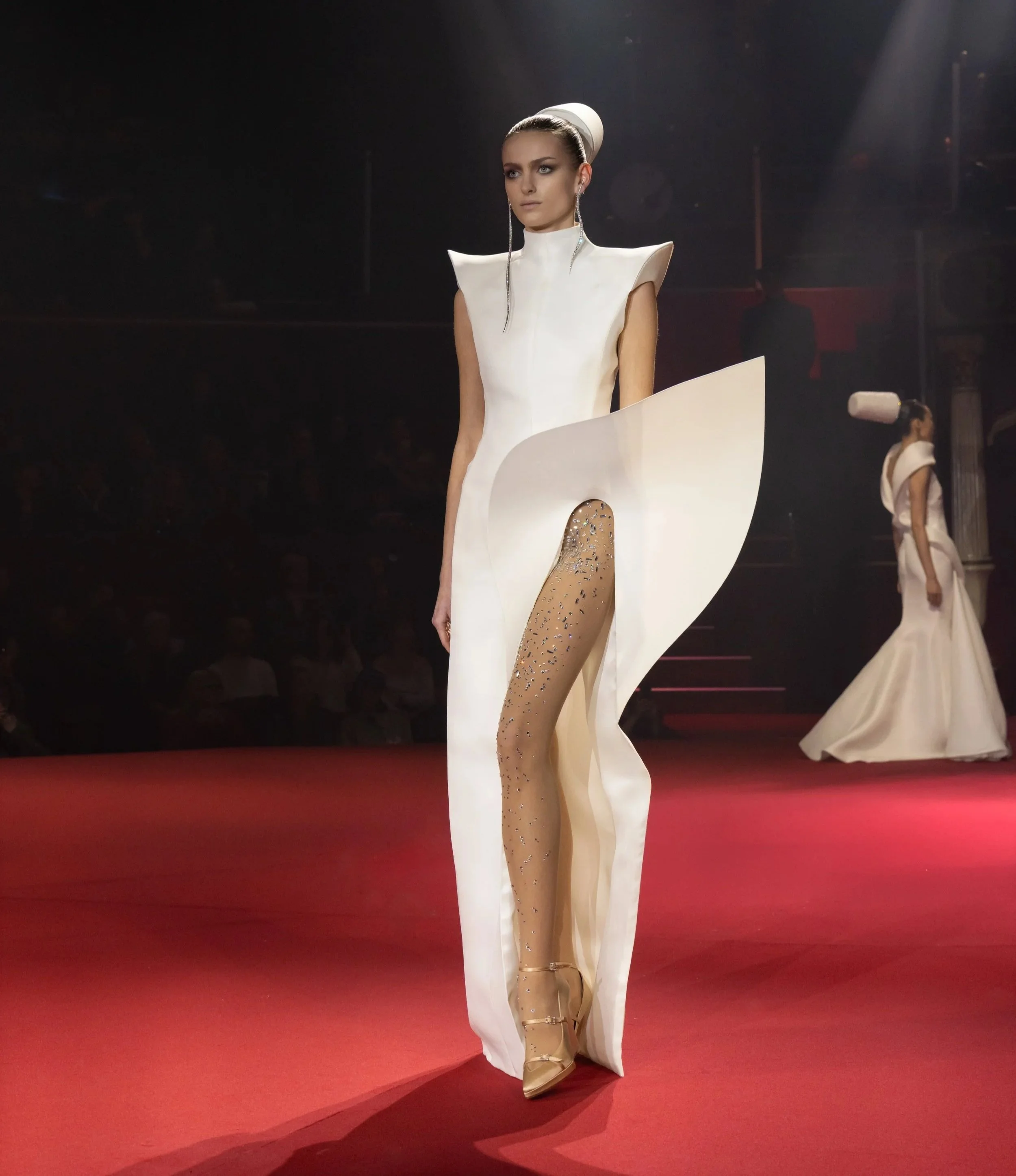
Asked about continuity in his work, Rolland emphasises evolution with consistency. "It's a long story — an evolution, with waves," he explains. From architectural shoulders inspired by Brazilian geometries to samurai-like armour, and now to the total-body fluidity of this new collection, his couture language remains recognisable yet adaptable, anchored in technical rigour but always in motion.
In the Spring/Summer 2026 collection, the circus arrives quietly. Silhouettes cross the runway with measured authority, embroidery catching the light only when you lean in. There's no overt drama — just the power of cut, fabric, and movement, asserting presence without demanding attention. This is couture as a work of kinetic art.
DISCOVER MORE ABOUT STEPHANE ROLLAND