Louis Vuitton Watch Prize 2025–26 finalists: Independent watchmaking in full flourish
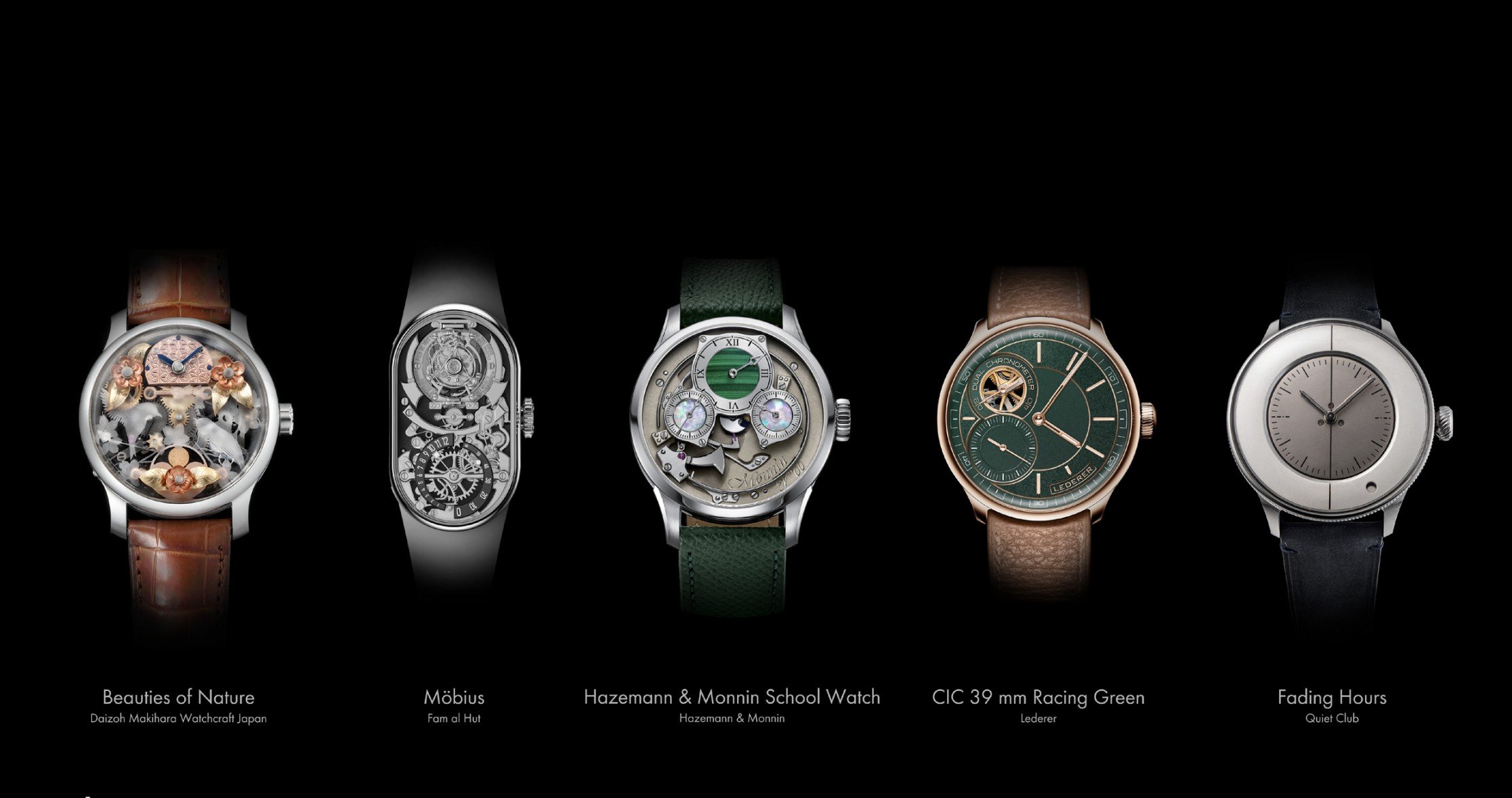
Paris has become the unlikely stage for contemporary watchmaking’s sharpest debate: how independent creators balance heritage and innovation, artistry and engineering. Louis Vuitton has unveiled the five finalists of its second Watch Prize for Independent Creatives, a platform rapidly establishing itself as a lens on where haute horology is heading beyond familiar names.
The first edition set the tone: Raúl Pagès won with his RP1 – Régulateur à détente, a watch that defied convention and underscored Louis Vuitton’s commitment to mechanical authorship. This year’s cohort confirms the prize’s intent: to celebrate vision, ingenuity, and the personal voice of the independent watchmaker.
Jean Arnault, Watch Director at Louis Vuitton, frames the award less as a competition than a collective momentum. “Independent watchmaking pushes boundaries not by discarding tradition, but by interrogating it—from new mechanics to unexpected aesthetics and deeply personal stories,” he notes.
The five finalists are:
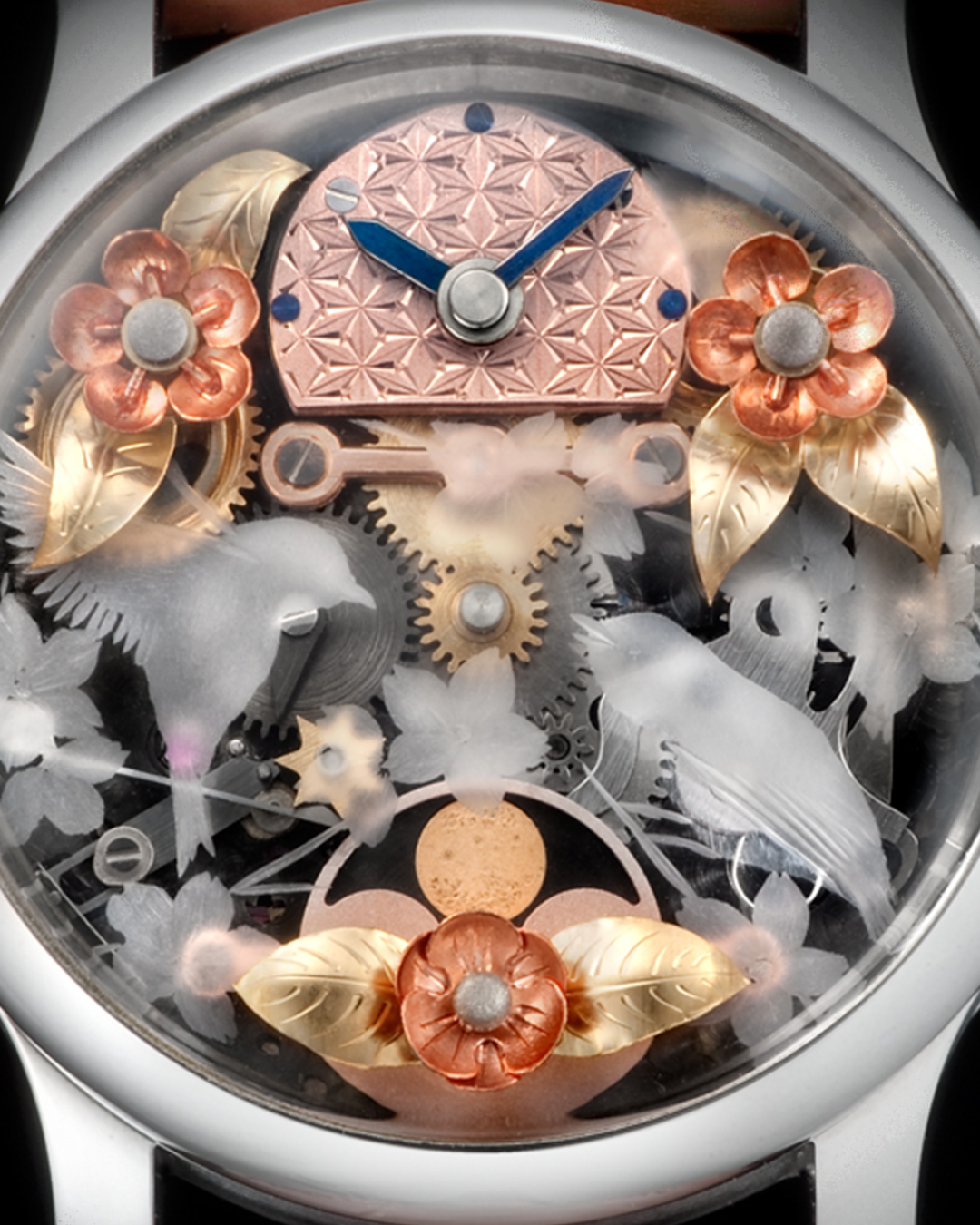
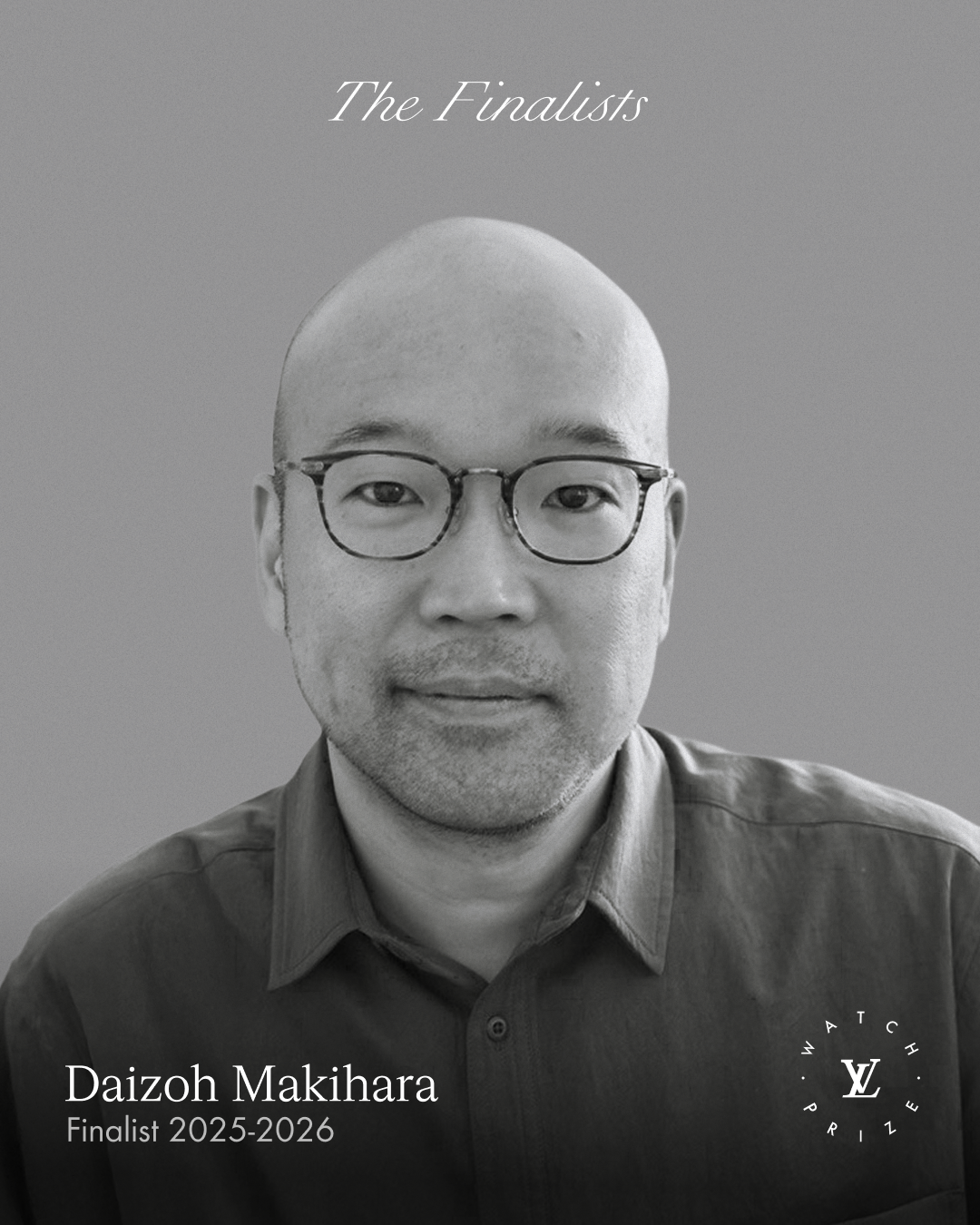
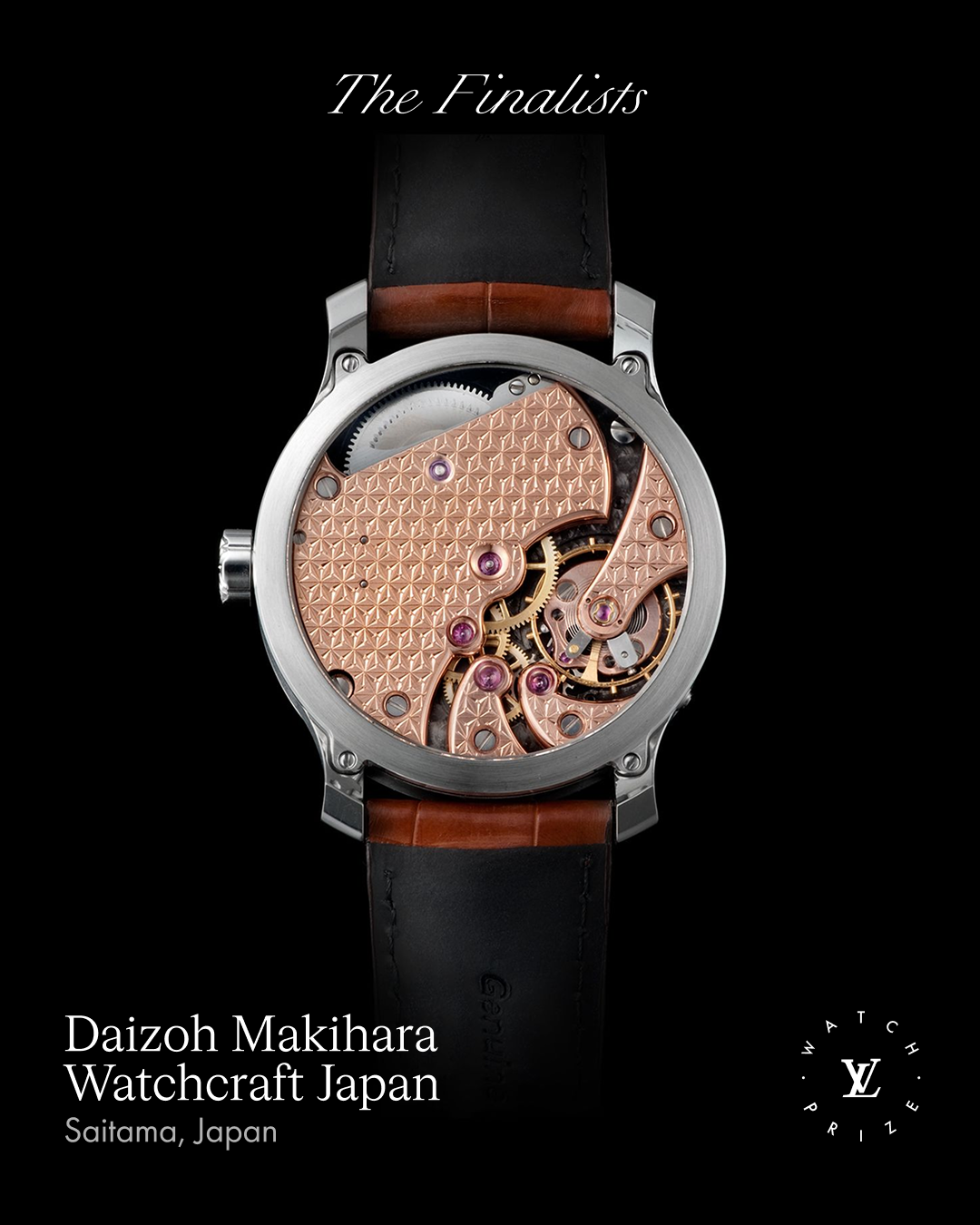
Daizoh Makihara’s Beauties of Nature (Japan) transforms a wristwatch into a living, breathing object. Its automatic petal mechanism opens and closes on dual time cycles, while an Edo Kiriko cut-glass dial—hand-cut using a centuries-old technique—portrays cherry blossoms and white-eye birds. It is a watch deeply rooted in cultural heritage yet adventurous in execution, kinetic poetry in miniature. This is the kind of design that makes the viewer pause, caught between artistry and engineering.
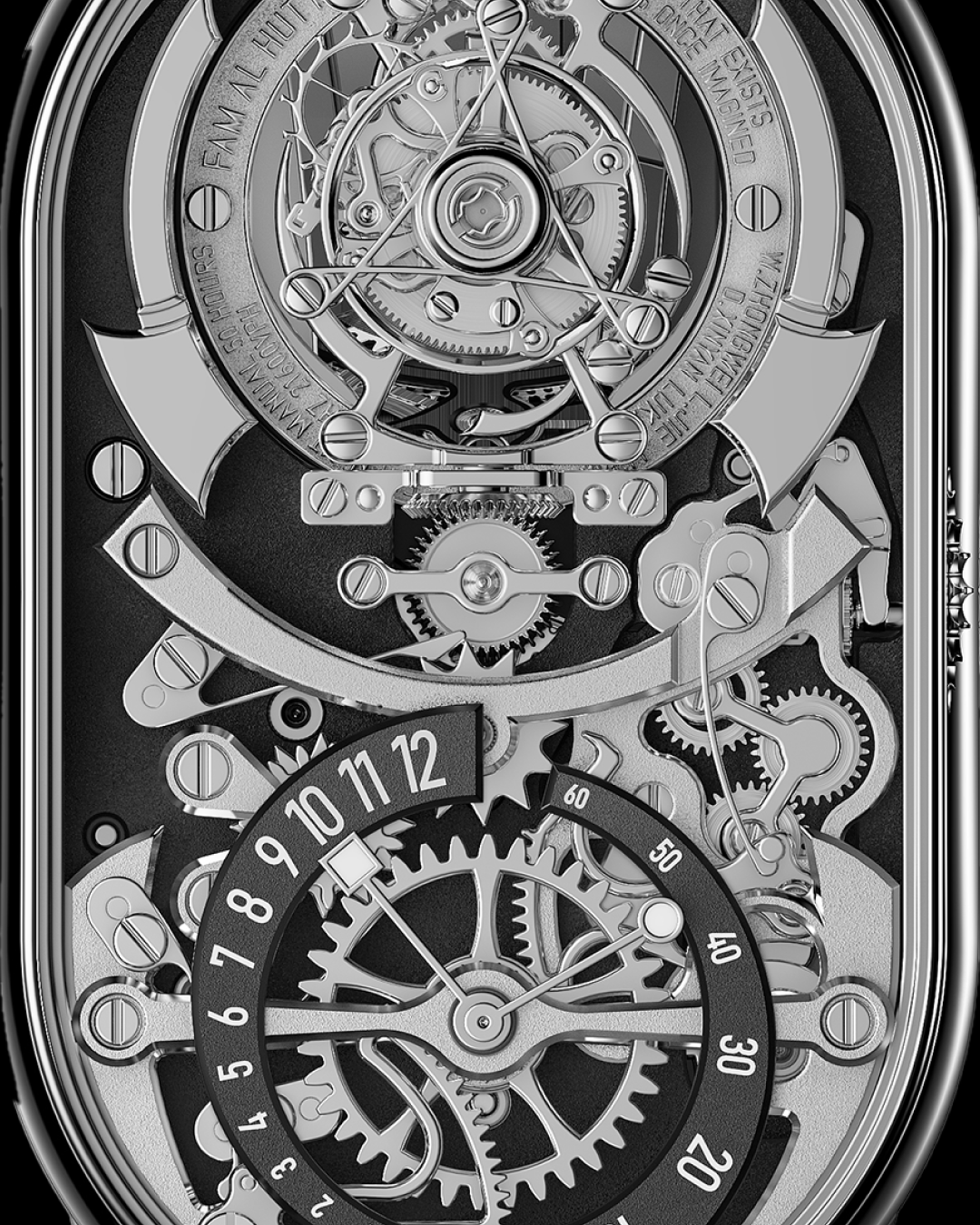
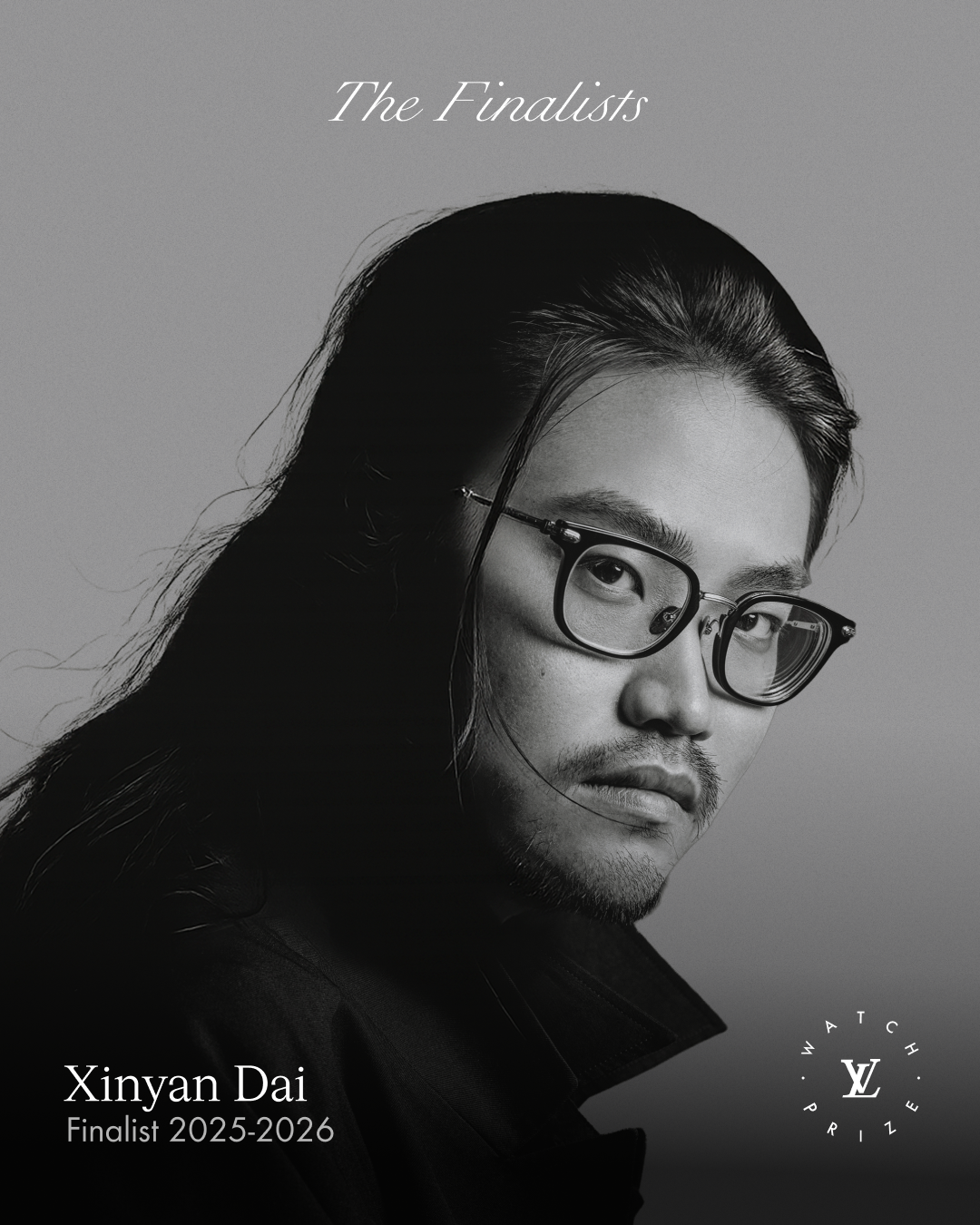
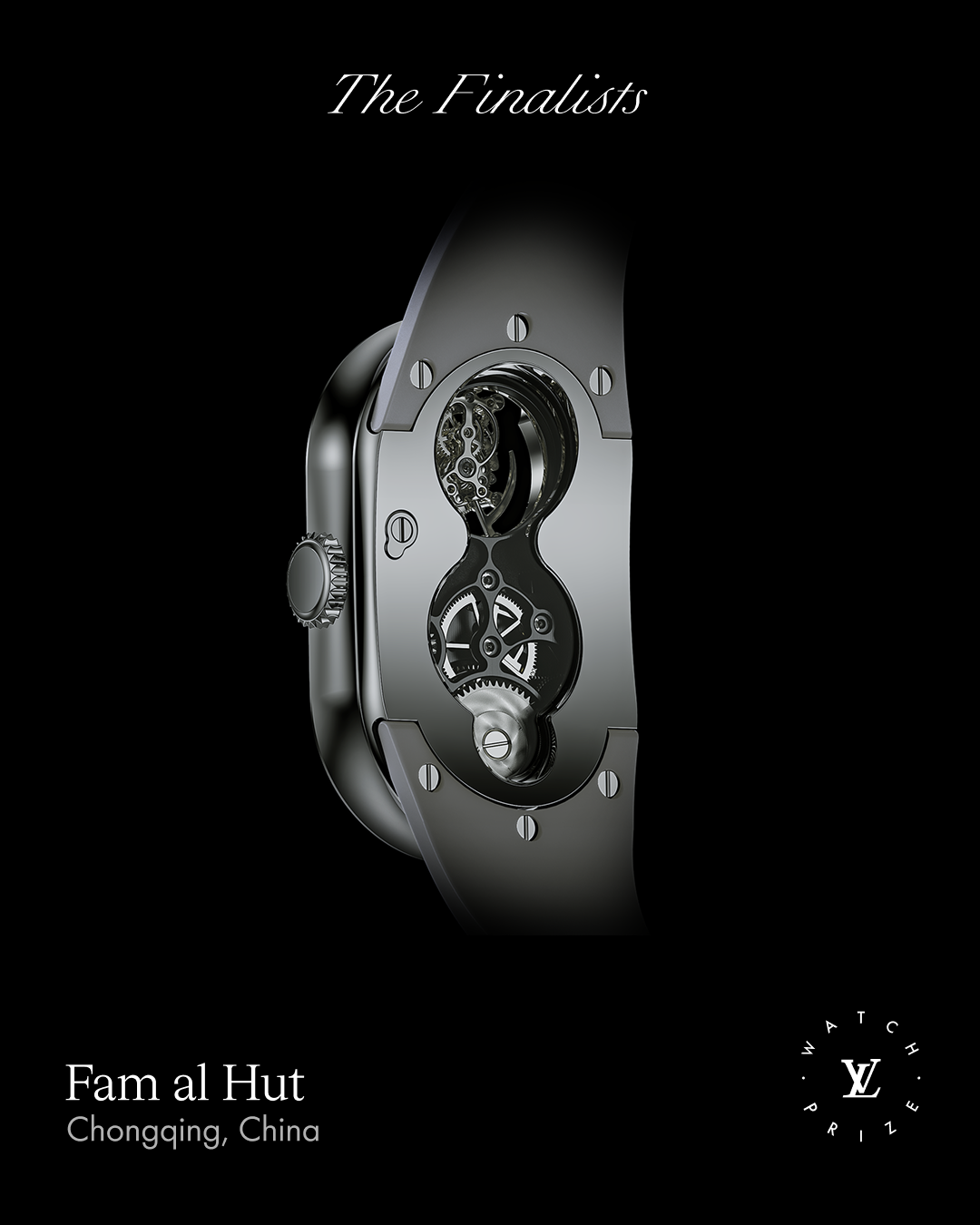
China-born, Europe-trained Xinyan Dai presents Möbius, under the Fam Al Hut label. Compact, lug-free, and densely engineered, it houses the smallest bi-axis tourbillon yet realized, alongside a mechanical first: double retrograde displays paired with a jumping hour. The restrained exterior conceals more than 200 hours of meticulous handcrafting, producing a tension that is cerebral, precise, and quietly astonishing.
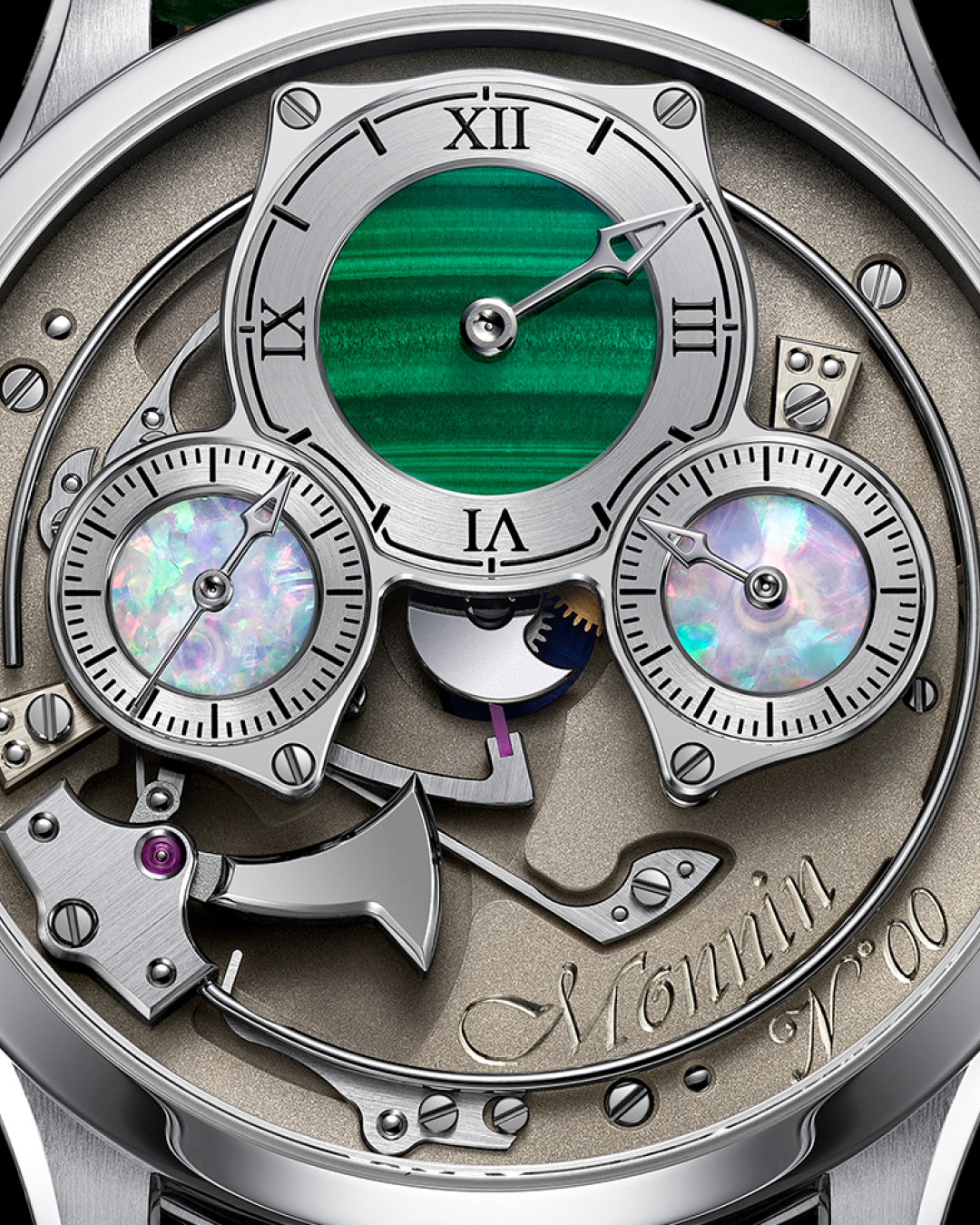
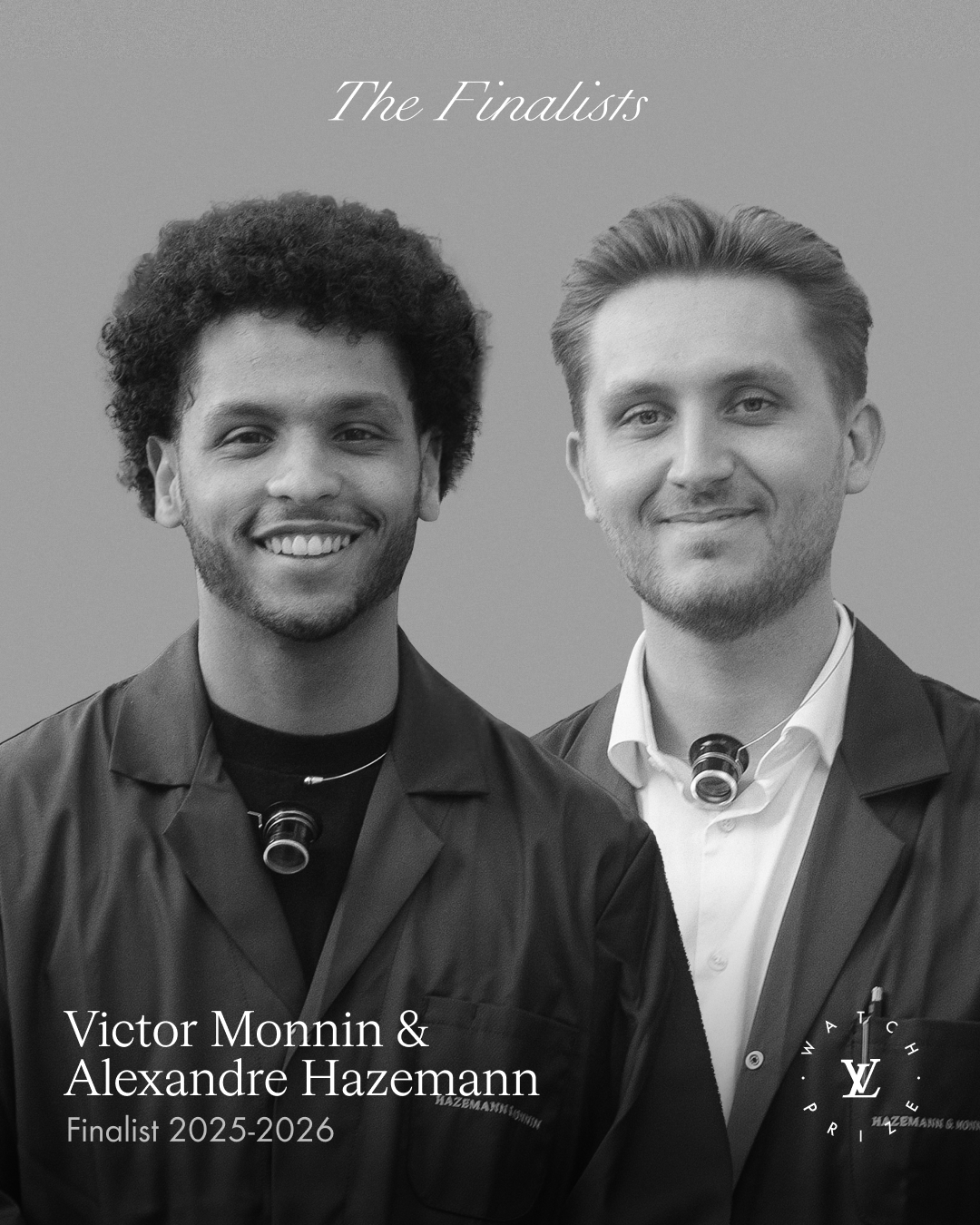
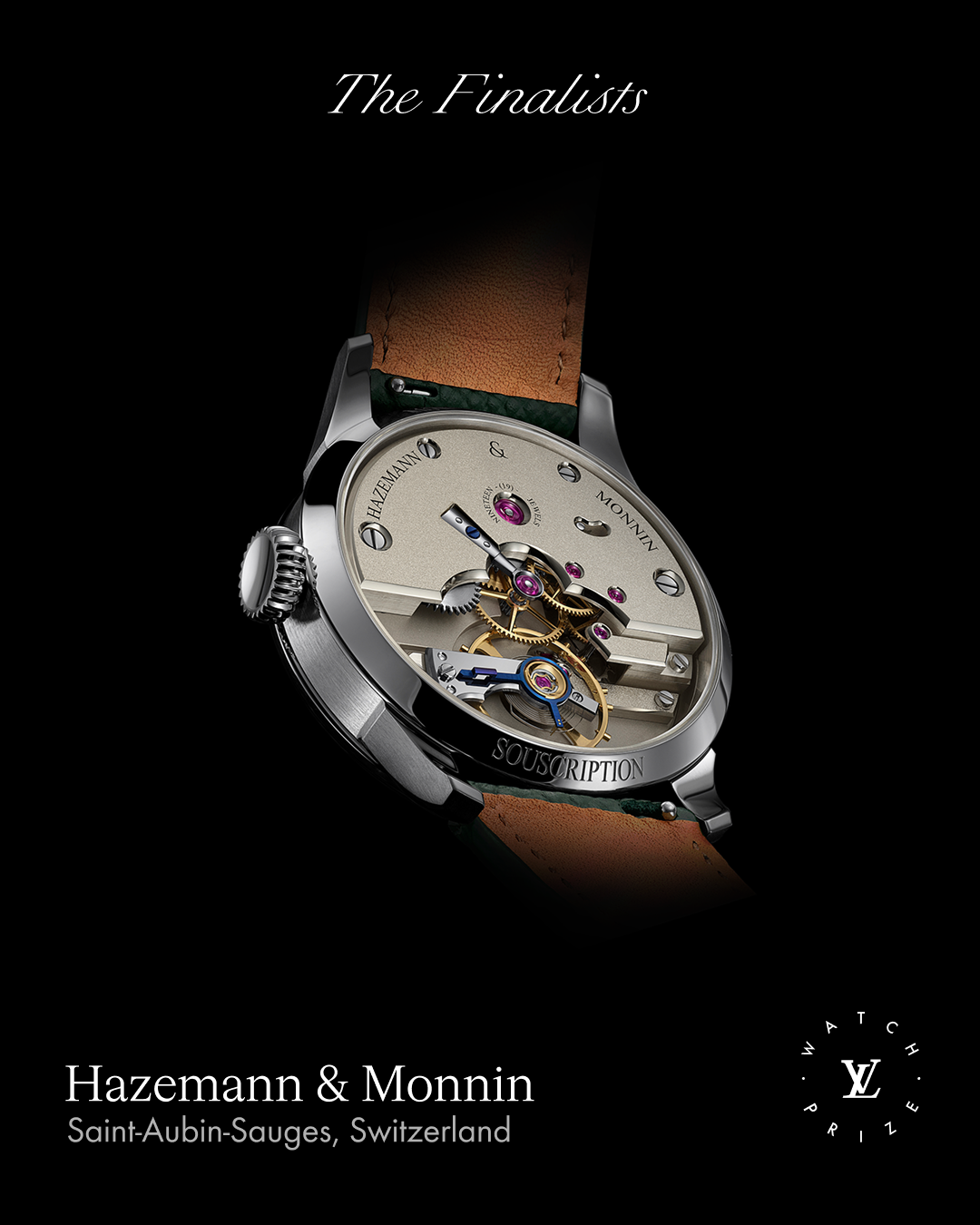
French duo Victor Monnin and Alexandre Hazemann turn inward with their School Watch, a contemporary homage to the Morteau school of watchmaking. The HM01 calibre synchronises a passing strike with an instantaneous jumping hour, producing a subtle choreography of movement and sound. Rather than dramatizing complexity, it celebrates rhythm and precision, a conversation with history rendered in contemporary language.
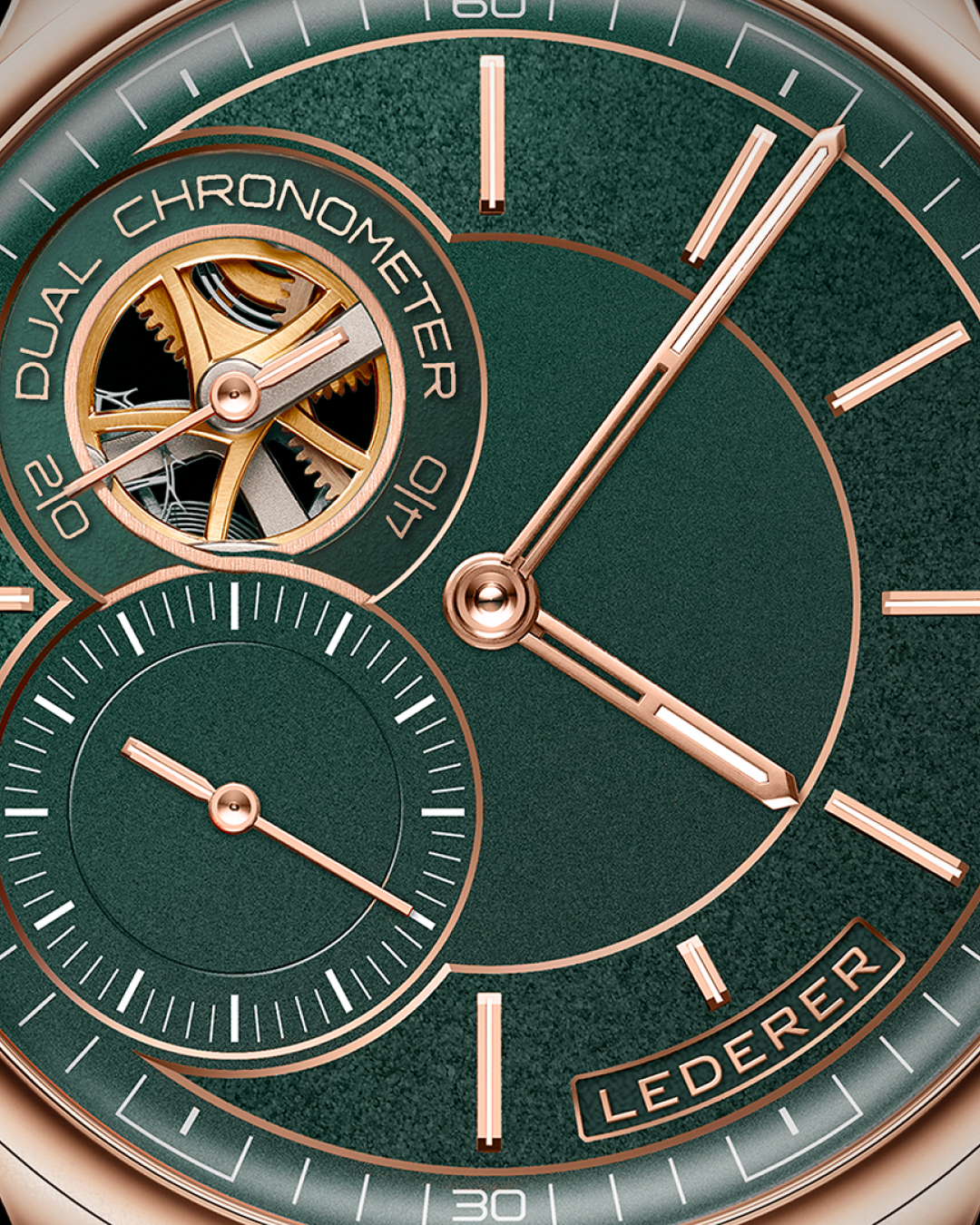
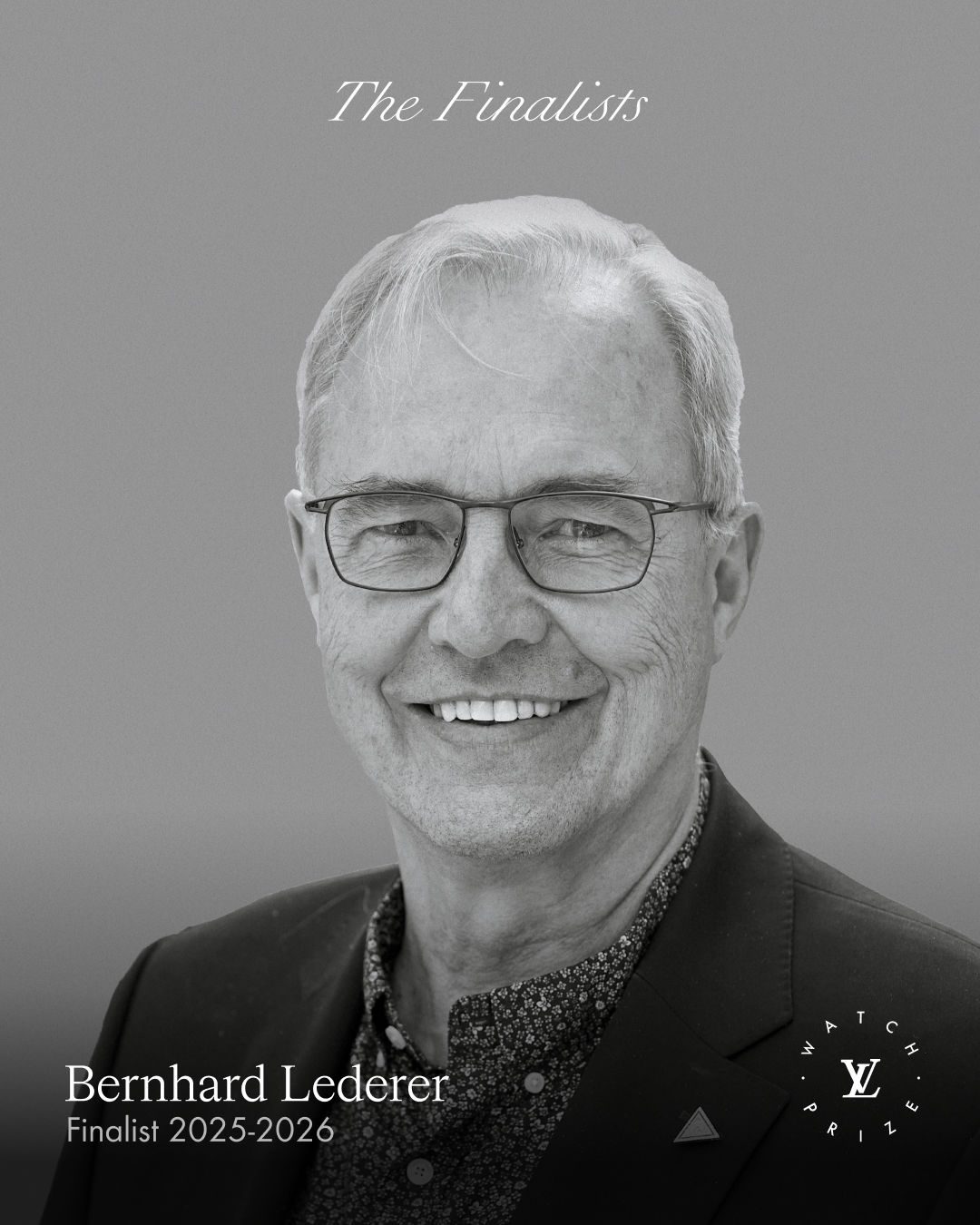
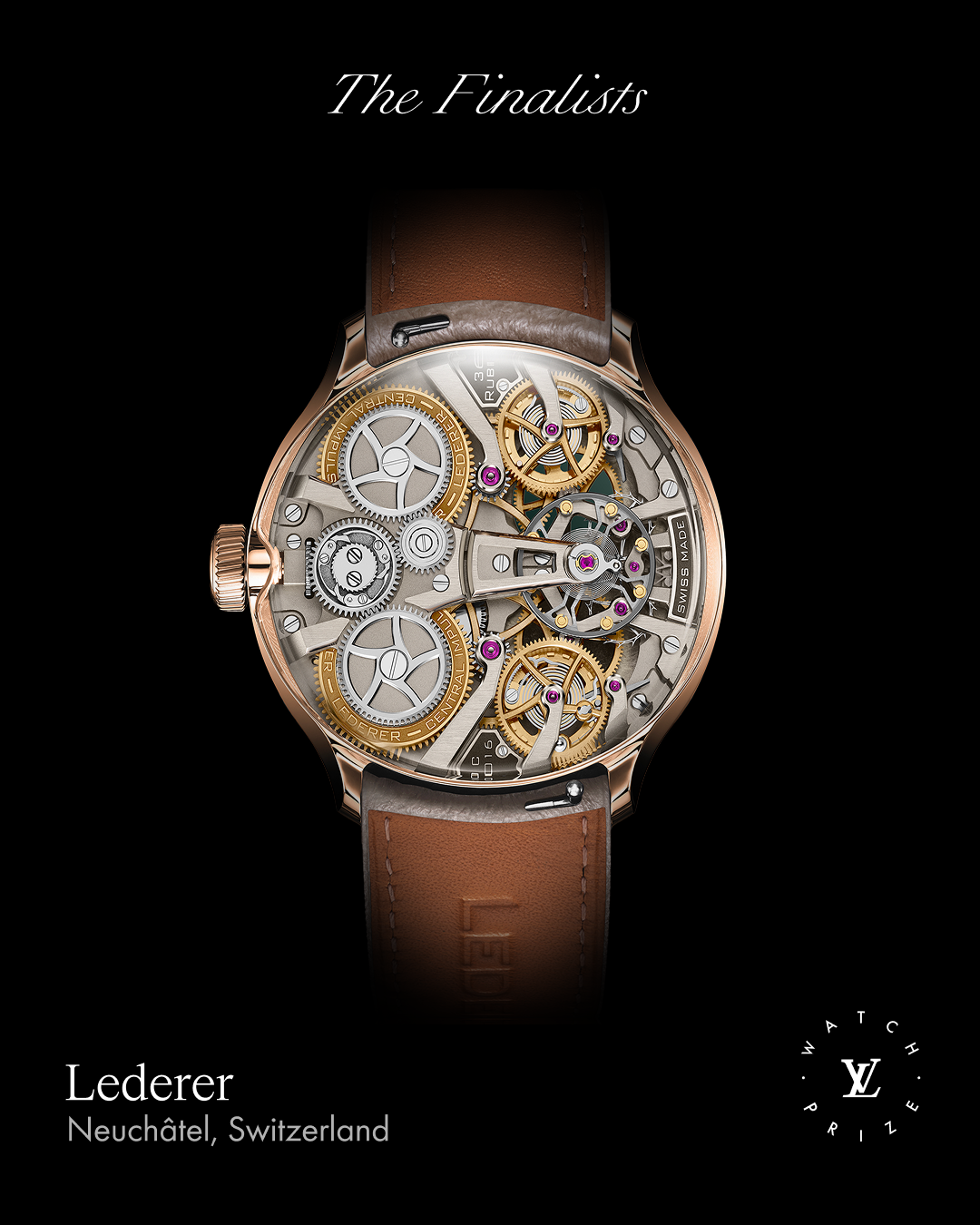
Bernhard Lederer’s CIC 39 mm Racing Green is the veteran among newcomers, distilling decades of research into a 39mm wristwatch. Its dual detent escapement—the first fully functional one for the wrist—twin escapements, and dual remontoirs d’égalité deliver constant force with surgical exactness. At first glance, it is modest, yet every glance reveals the intensity of its mechanical innovation: a watch that whispers rather than shouts.
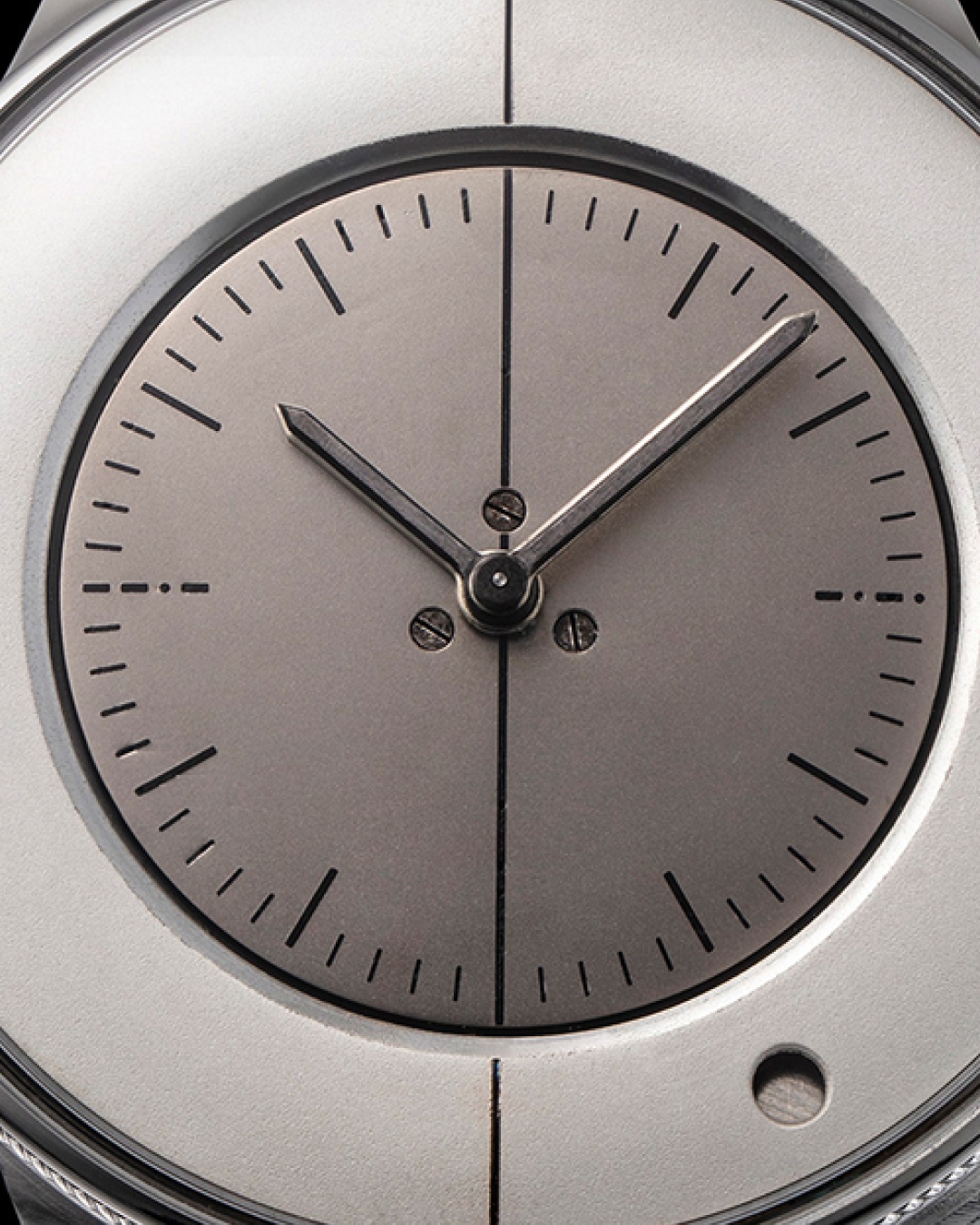

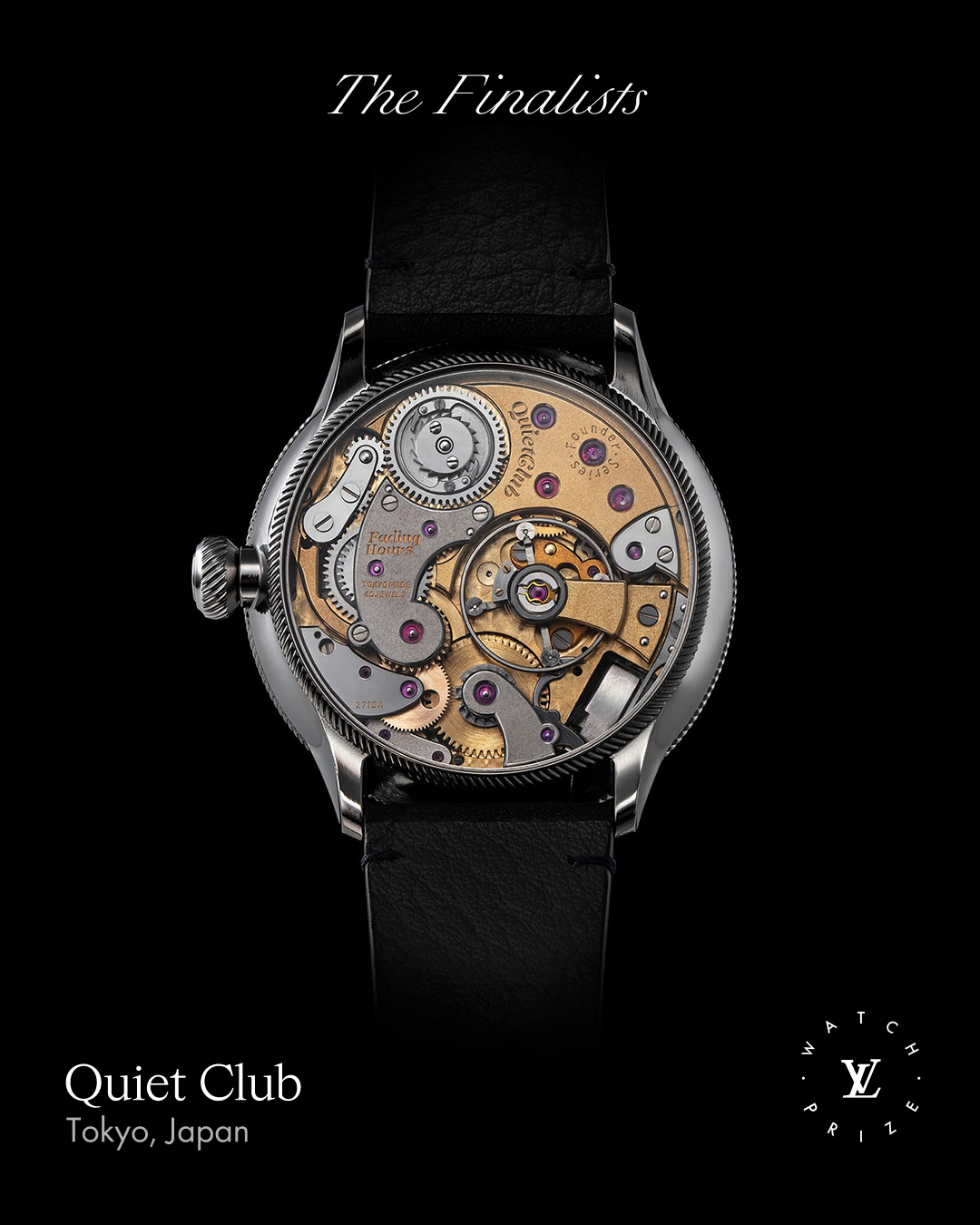
Tokyo-based Quiet Club, led by Norifumi Seki, rounds out the selection with Fading Hours. Its novel alarm strikes the dial itself, activated via a single hidden pusher. Functional, discreet, and inherently Japanese in sensibility, it turns a practical complication into a moment of discovery. Ingenious without ostentation, it shows how restraint can be radical.
Finalists will present their creations on March 24, 2026, at the Fondation Louis Vuitton before a five-member expert jury. The winner will receive €150,000 and a bespoke, year-long mentorship programme with La Fabrique du Temps and Louis Vuitton.
Collectively, these five finalists underscore the global reach of independent watchmaking today—a world where technical mastery, cultural resonance, and artistic expression coexist on the smallest canvas: the wrist.