In Venice, Dries Van Noten Elevates Craft to Cultural Dialogue
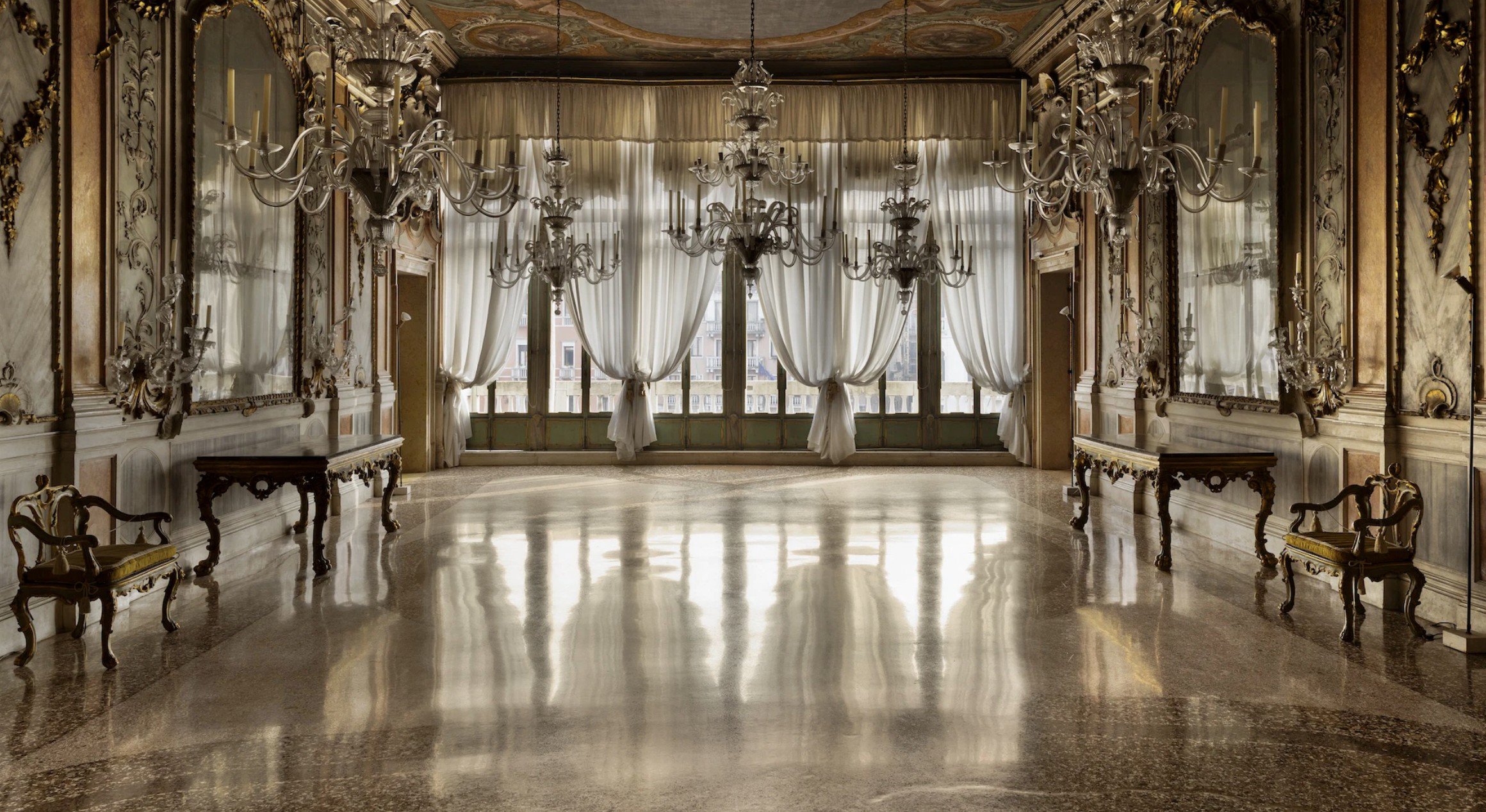
Palazzo Pisani Moretta, future home to Fondazione Dries Van Noten.Photo: Camilla Glorioso
When the Fondazione Dries Van Noten opens in spring 2026 inside Venice's Palazzo Pisani Moretta, it will signal more than the arrival of another fashion institution. It marks a moment when a designer's long-held conviction—that craft is not decorative afterthought but cultural intelligence—takes architectural, public form.
Conceived by Dries Van Noten and his longtime partner Patrick Vangheluwe, the foundation is pointedly not a brand museum or sealed archive. Instead, it proposes something more porous: a living platform where fashion intersects with design, art, and architecture, and where making is understood as evolving practice rather than finished artefact. The ambition is transmission, not preservation.
“Fashion has given us so much, and now we want to give back to support craft, whether through ceramics, jewels, food, singing, or fashion itself,” they said in a press statement. “Through the Fondazione, we aim to develop a pulsing venue where artists and artisans can present their work, where students can engage in hands-on exploration, and where visitors experience making as an act of culture. It’s about nurturing an ecosystem that empowers craft, giving it visibility, relevance, and vitality in the age of machines and digital revolution, while connecting the city’s past, present, and future.”
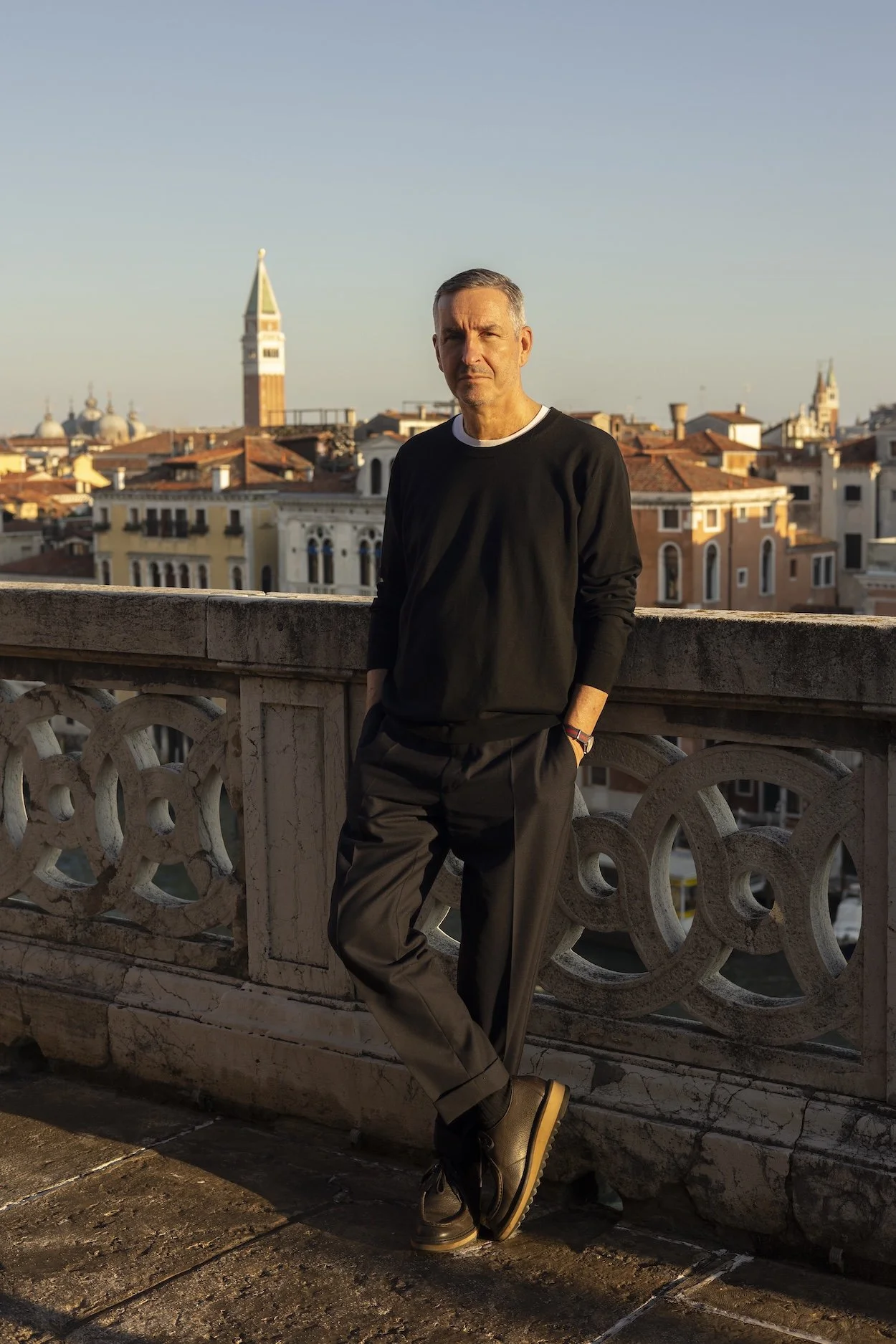
Dries Van Nouten, Photo: Camilla Glorioso
For the Belgium designer, who retired in 2024, this feels like natural continuation. His collections have always foregrounded process—fabric as language, embellishment as thought. His choice of Venice is not incidental. A city historically structured around guilds, workshops, and trade routes, it carries a deep memory of skilled labour and collective making and placing his foundation there positions fashion within a longer, shared history of material culture.
The new initiative sits in dialogue with a small but significant group of designer-led institutions that treat fashion as knowledge rather than product. Zandra Rhodes' Fashion and Textile Museum in London foregrounds textiles as experimentation and learning. Azzedine Alaïa's Paris foundation balances safeguarding couture with active investment in future talent. These spaces resist the idea that fashion's cultural value ends at the runway.
They also stand apart from legacy institutions devoted to heritage. Armani/Silos in Milan, the Fondation Pierre Bergé – Yves Saint Laurent in Paris and Marrakech, the Christian Dior museum in Granville—all offer meticulously curated narratives of past achievement. Their contribution to fashion history is undeniable, but they are, by nature, retrospective, locking history in place rather than questioning what it means now.
At a time when luxury is increasingly driven by acceleration—quarterly drops, influencer economies, globalised sameness—the Fondazione Dries Van Noten proposes a quieter, more demanding alternative. One that asks visitors not simply to look, but to pay attention.