Beyond Beauty: Hair as Art, Power, and Protest
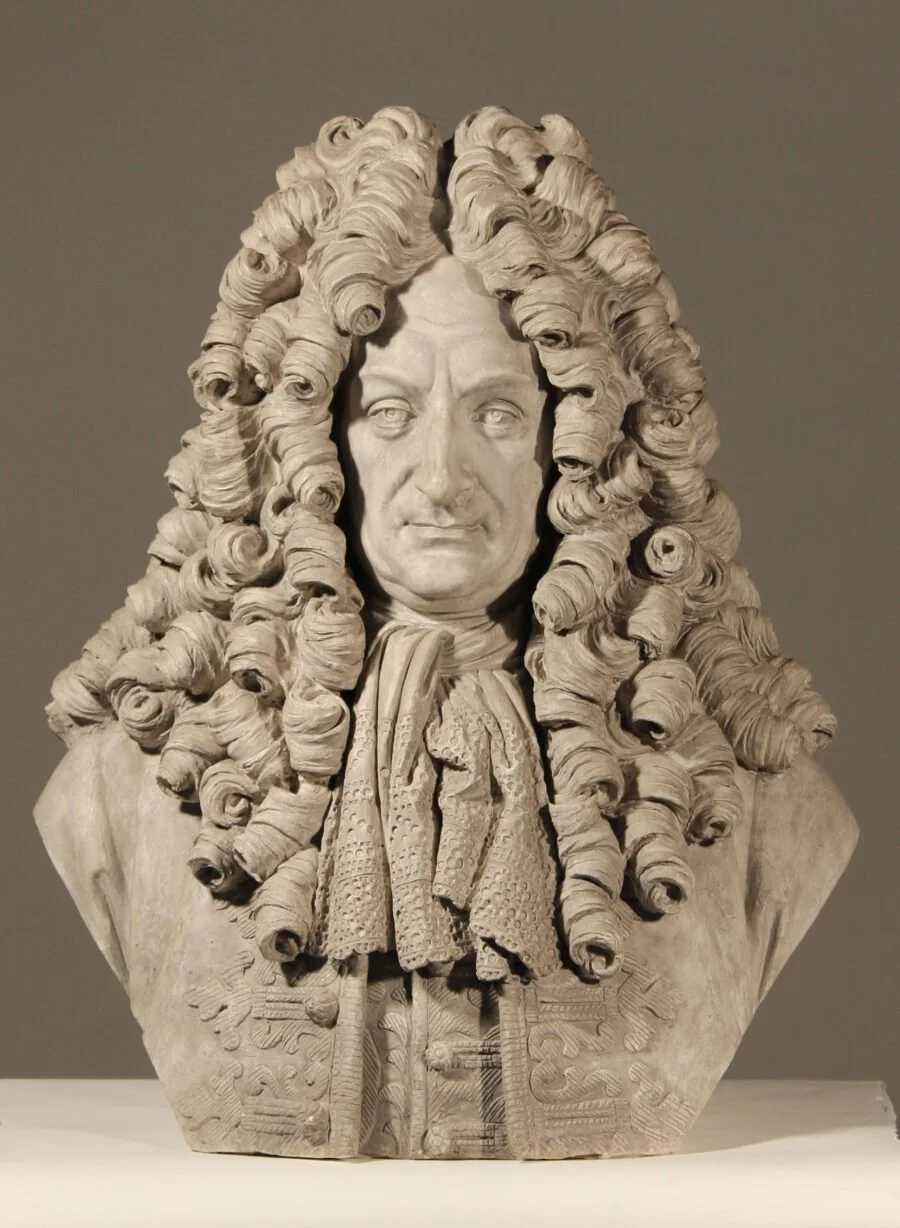
Ernst Julius Hahnel, Gottfried Wilhelm Leibniz, 1881-1883 / Photo: Reinhard Seurig/Hans-Jurgen Genzel
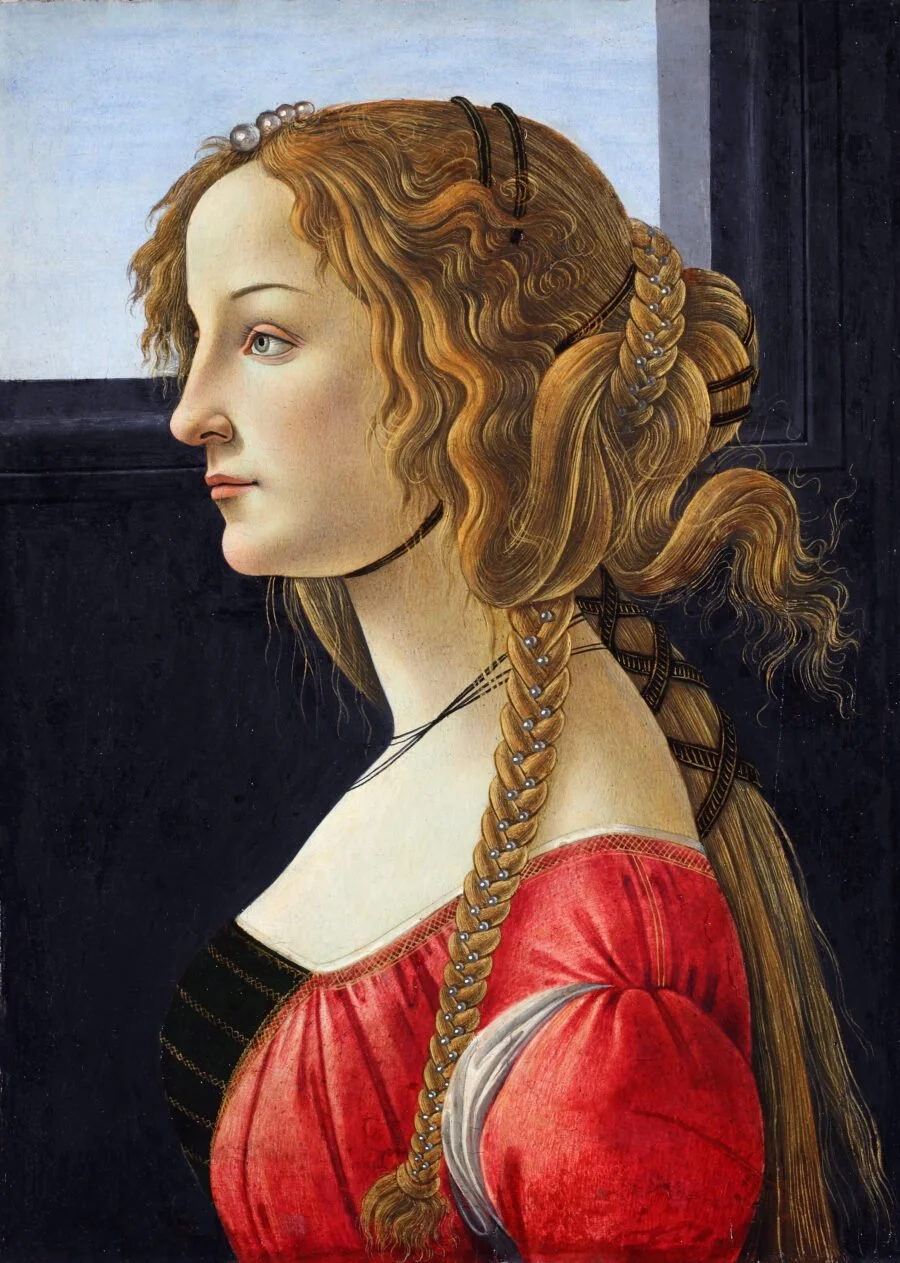
When Sandro Botticelli painted his Profile Portrait of a Young Woman between 1475 and 1480, every detail mattered—including the sitter's elaborate hairstyle. Those braids studded with pearls weren't simply decorative. They announced her marital status and elevated social standing as clearly as any written introduction might have done.
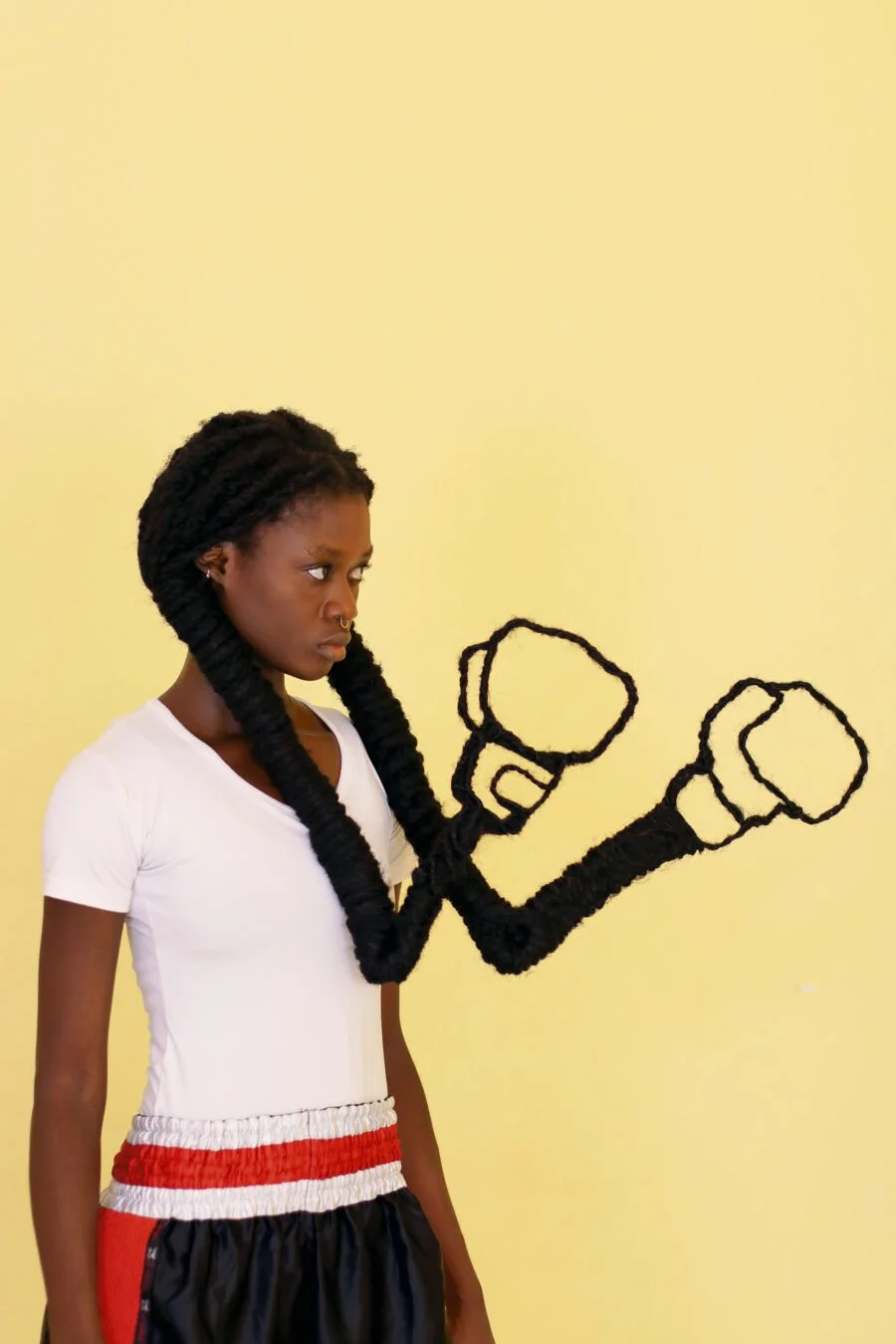
It's a language that transcends time and geography. From ancient civilisations to contemporary culture, hair has functioned as one of our most powerful forms of non-verbal communication. That's the premise behind HAIR—Stories of Power and Passion, opening at Kunsthalle München on March 20, 2026. The exhibition brings together more than 200 works spanning five millennia—from an Assyrian alabaster head carved in 883 BC to contemporary pieces by artists like Laetitia Ky—revealing how hair has marked social standing, communicated defiance, and shaped both personal and political identity.
The history runs deep. Ancient Egyptians dyed their hair and wore elaborate wigs to signal status. By the Middle Ages, long flowing locks were synonymous with femininity and virtue, though convention dictated they be tied up in public once a woman married. Fast forward to 18th-century France, and the aristocracy's towering wigs became walking advertisements of wealth and position. Then came the 1920s, when women cut their hair into bobs—a clear gesture of emancipation.
Today, hair remains an essential marker of belonging, taste, and intent. It can also be weaponised as resistance. Consider the defiant styles of punk movements, or more recently, the Iranian women who removed their headscarves in protests demanding freedom and human rights. Conversely, forced head-shaving has long served as an instrument of humiliation and submission. Even texture carries meaning: the Afro emerged as a powerful symbol of Black cultural identity and self-empowerment, transforming what was natural into what was political.
The exhibition will aim to demonstrate that hair has never been just hair. It's a living record of how we express ourselves—wielded to claim power, seized as freedom, or imposed as control.
The exhibition runs March 20 to October 4, 2026, at Kunsthalle München.