Head and Shoulders: When Coins Became Fashion Statements at KHM Vienna
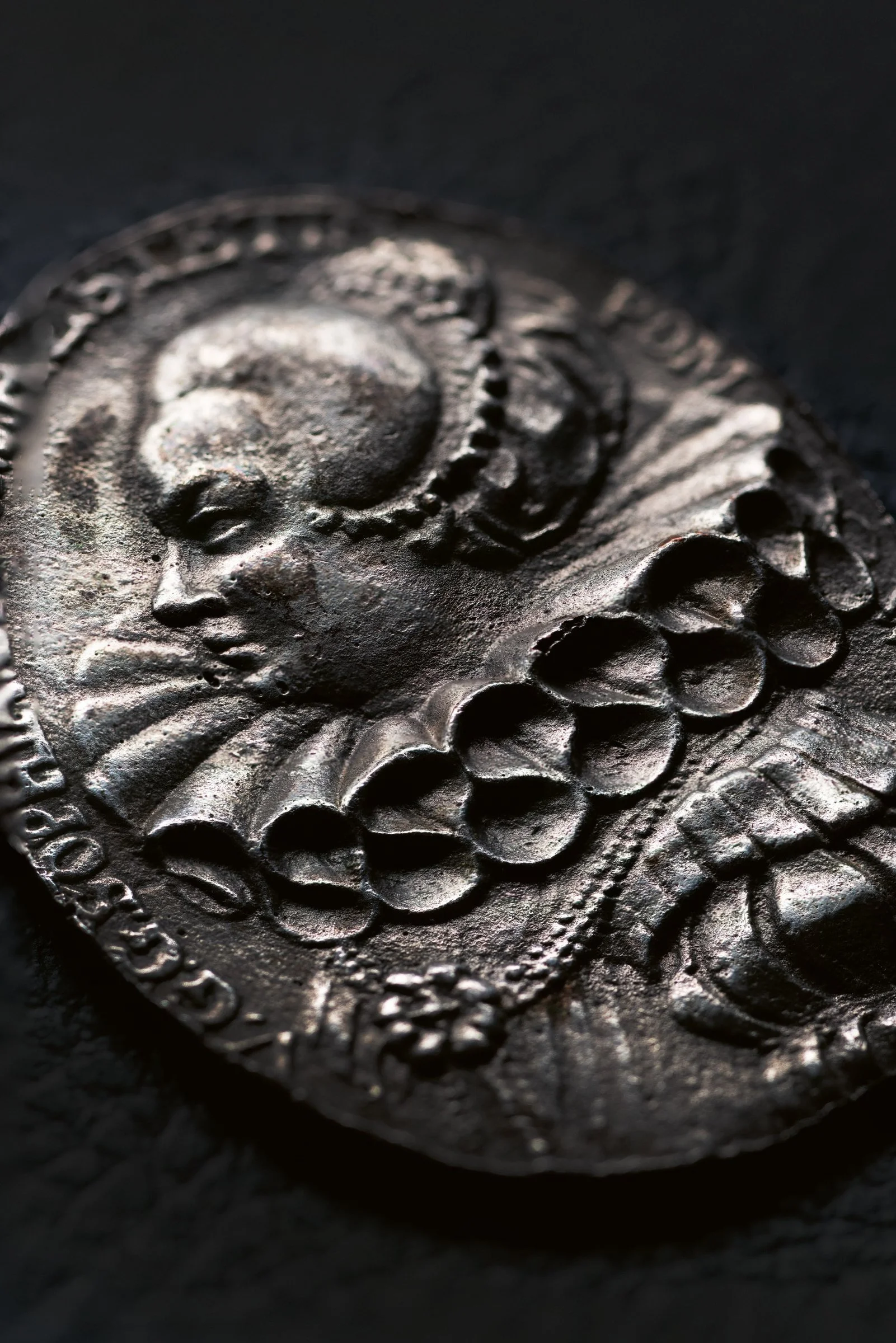
Now showing at Vienna's Kunsthistorisches Museum, Head and Shoulders. Coins in Fashion reveals a story often overlooked: coins have always been about more than currency. For centuries, they have functioned as miniature billboards of power — fashion declarations cast in metal and circulated across empires. The crowns, collars, and hairstyles worn by rulers on their coined profiles were never accidental; they were deliberate statements of authority, style, and identity.
Drawing from the museum's Coin Cabinet, the exhibition traces how personal adornment became political messaging, from ancient Rome to Baroque courts and modern portraiture. What emerges is not just a history of fashion, but a visual chronicle of how style and power have always been intertwined.
One motif connects eras and continents: the laurel wreath. When Julius Caesar broke tradition by placing his own likeness on a denarius, he paired it with the wreath as a symbol of victory and divine favour. Augustus refined the image, presenting himself eternally youthful and idealized — a miniature brand of stability and authority. Centuries later, Queen Elizabeth II's coins carried the same classical reference, linking modern monarchy to ancient Rome and demonstrating how symbols of power can transcend time.
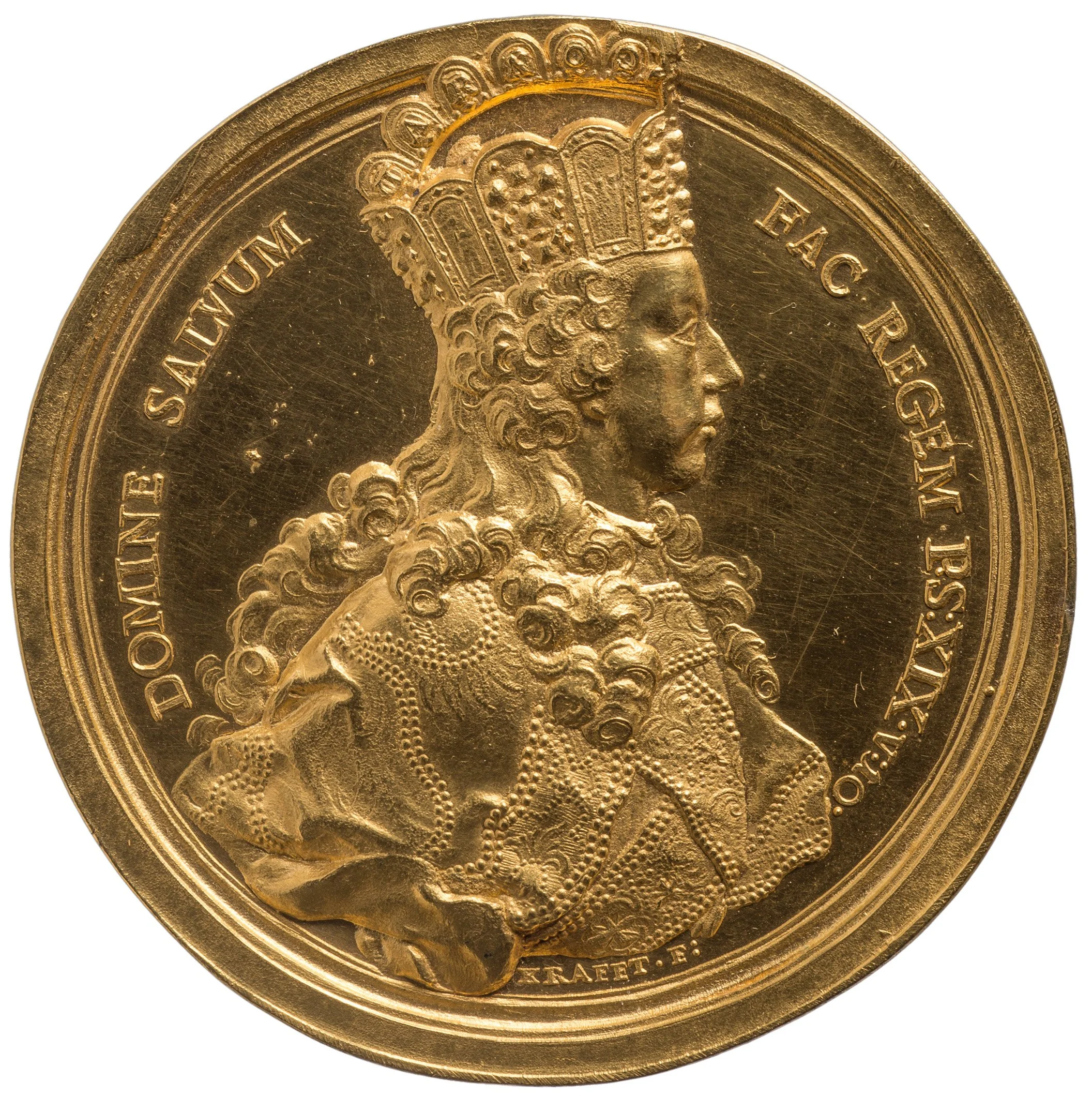
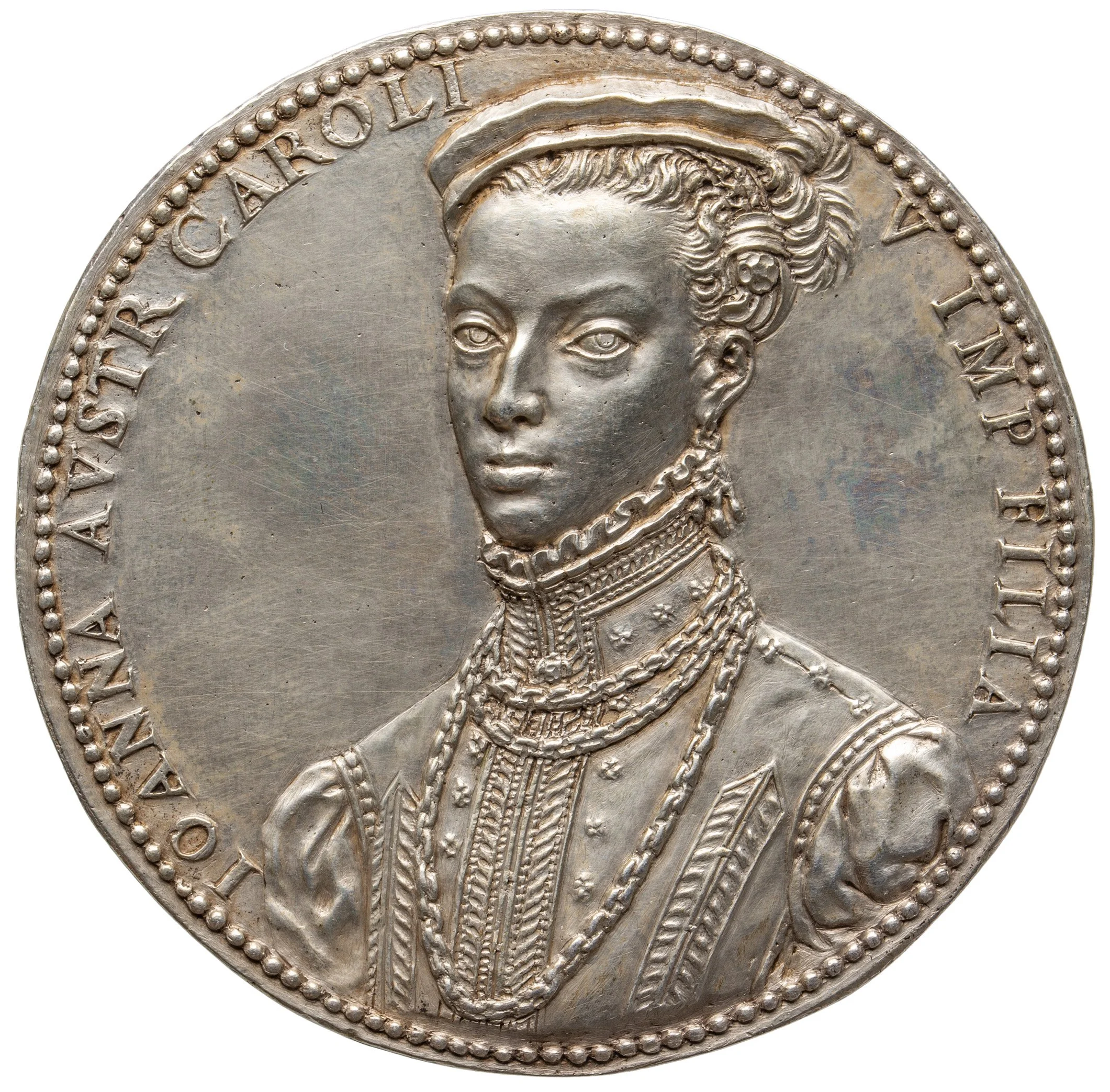
From the mystical crowns of the Nezak kings — combining crescent moons, wings, and water buffalo skulls — to Renaissance princes wearing the zazzera, a sharply styled chin-length bob for men, personal adornment consistently reflected status and ideology. King Louis XII paired fashionable headgear with the French fleur-de-lis crown, merging contemporary style with royal symbolism. By the Baroque period, nobles showcased elaborate wigs and architectural updos that required as much engineering as aesthetics.
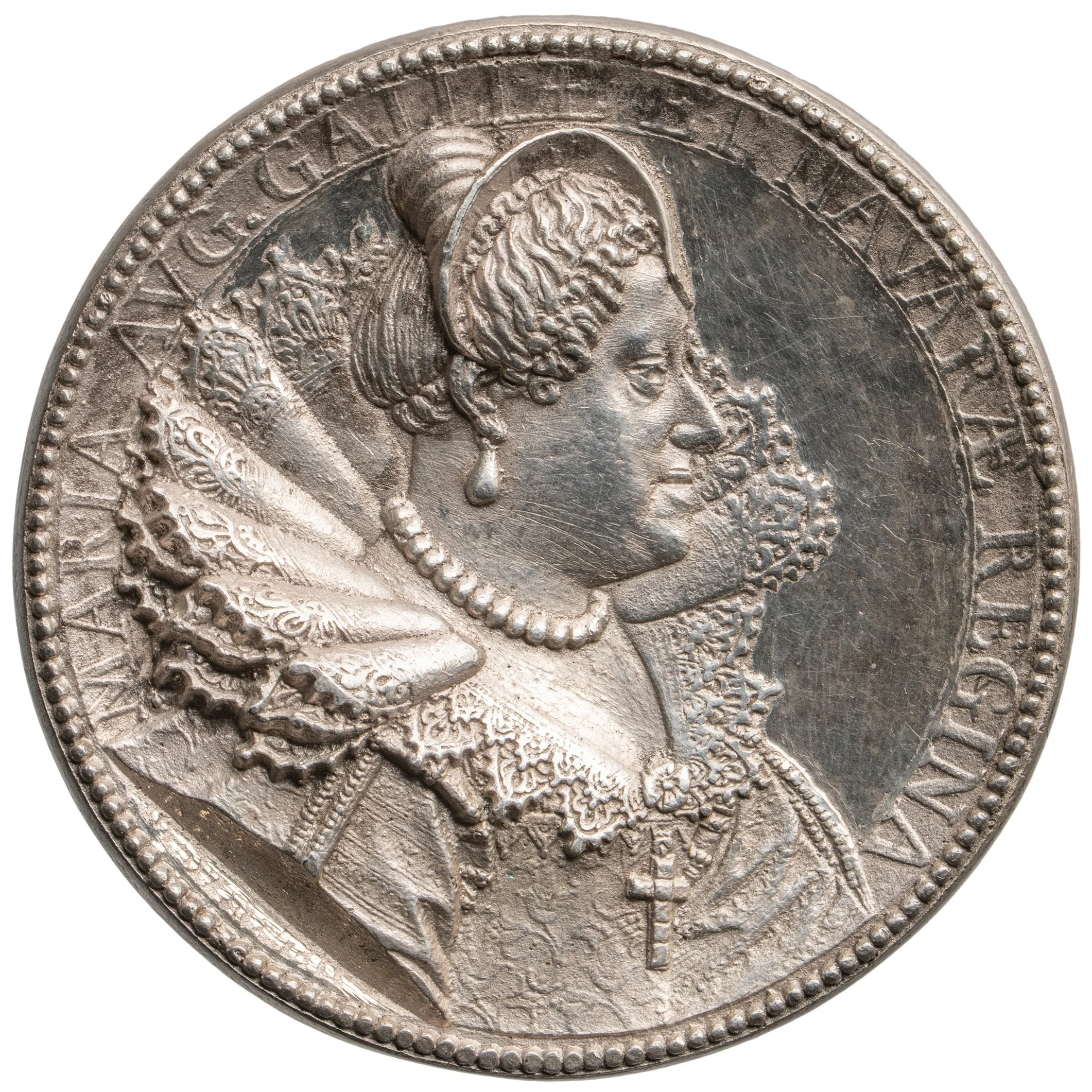

Maria de’ Medici exemplifies how fashion could become legacy. Her medals, considered masterpieces of engraving, depict voluminous lace collars rendered with such precision they appear three-dimensional. These fan-shaped collars became so associated with her that they’re still called Medici collars — a rare instance of a ruler’s style immortalized in coinage. The collars weren’t merely decorative; they required extraordinary craftsmanship and expense, broadcasting wealth and access to the finest artisans across her realm.
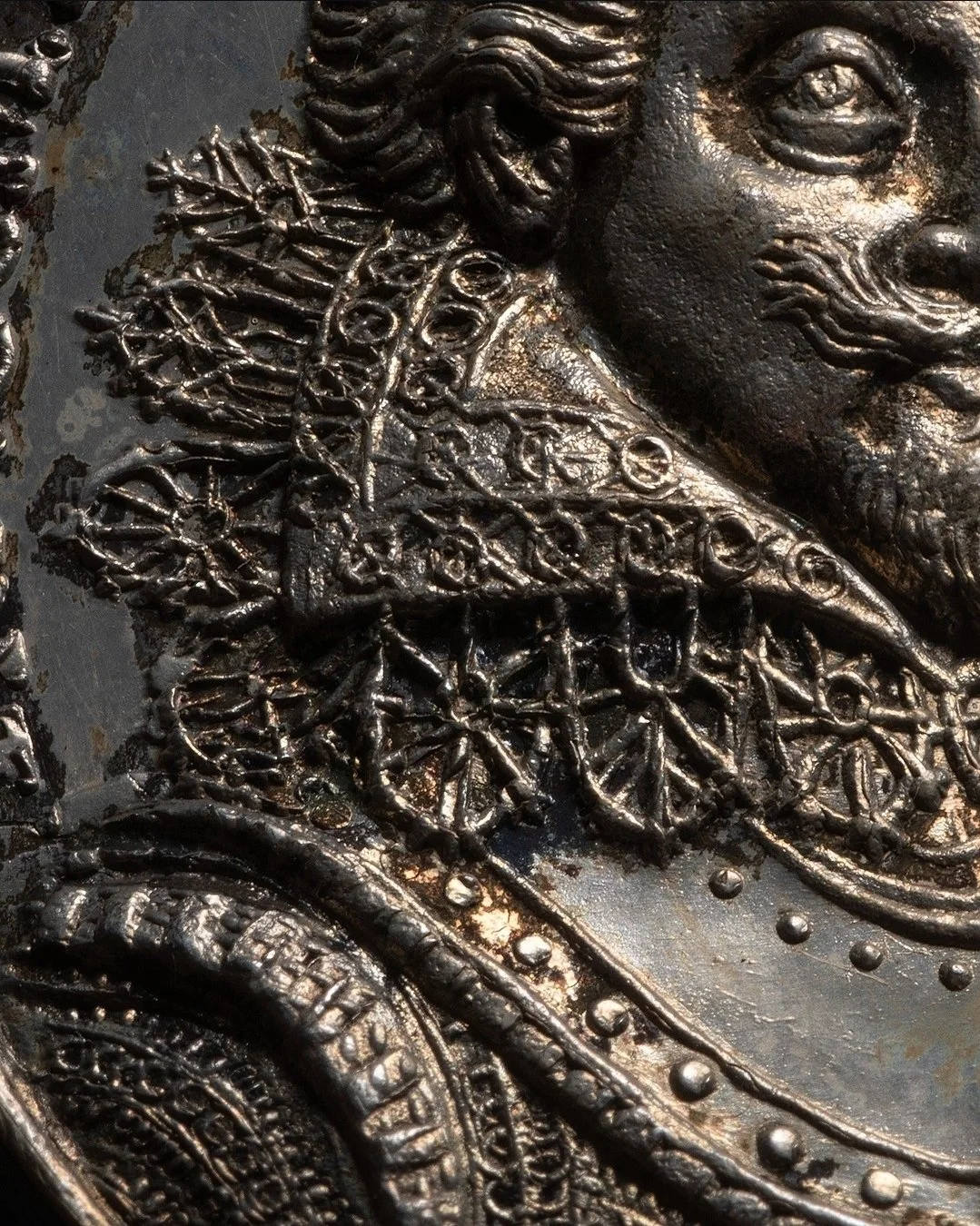
The exhibition extends this dialogue into the present. Students from KunstModeDesign Herbststrasse created contemporary jewellery inspired by the historical pieces, demonstrating that the impulse to signal identity through adornment hasn’t disappeared — it has simply evolved. Their work sits alongside ancient coins, suggesting that whether in metal currency or modern design, personal style remains a language of power and self-expression.
Head and Shoulders demonstrates that even the smallest coins carry significant weight. Each miniature portrait captures fashion, authority, and legacy in metal — a gleaming testament to how rulers understood that style was never separate from statecraft. Now on view at the Kunsthistorisches Museum Vienna, the exhibition invites visitors to trace centuries of courtly fashion, frozen in metal and rich with visual meaning.
Head and Shoulders. Coins in Fashion is now showing at the Kunsthistorisches Museum Vienna.