K‑Beauty: Heritage, Harmony, and the Art of Korean Beauty at Musée Guimet
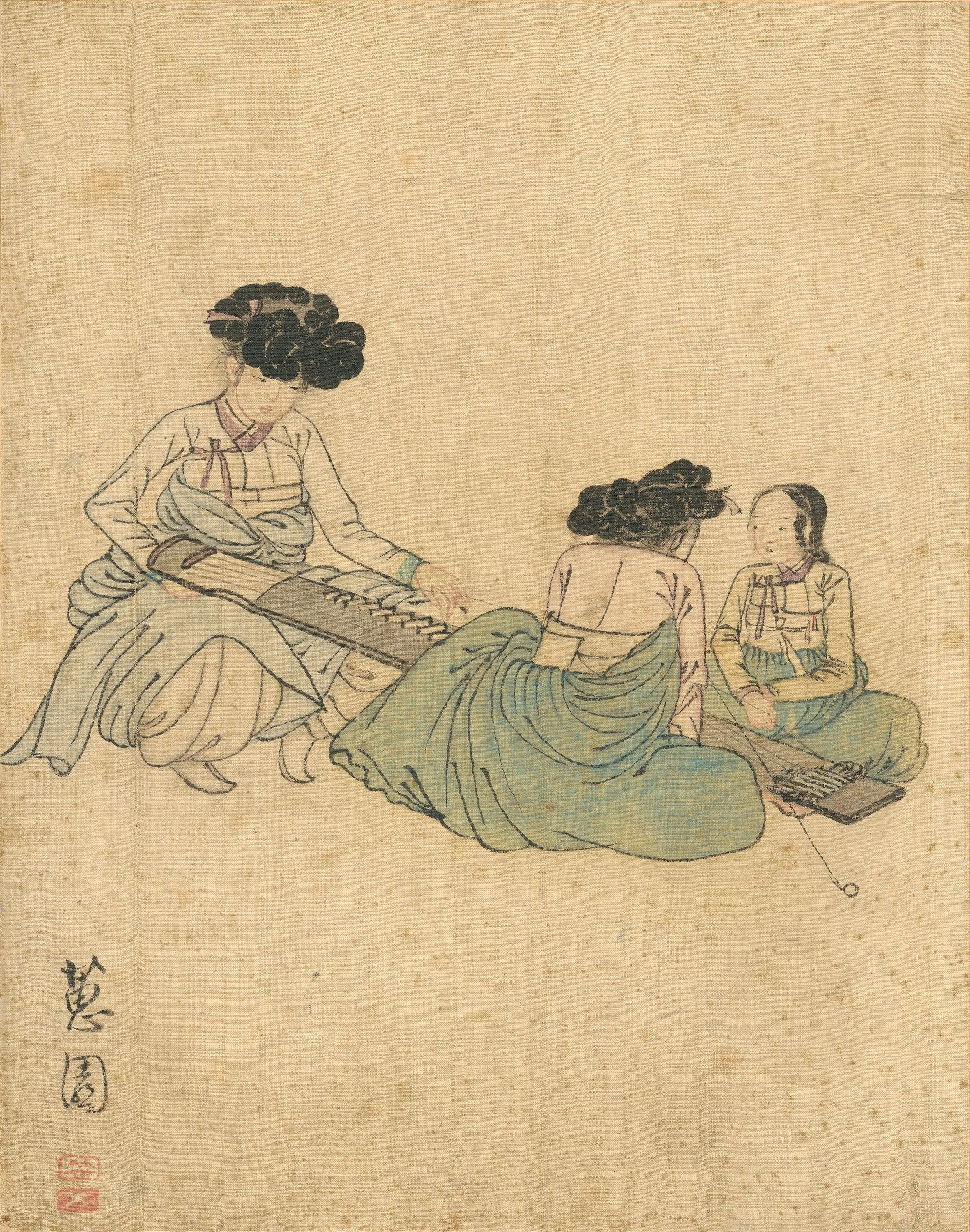

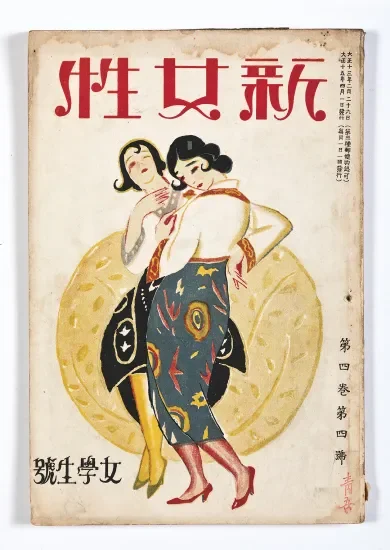
K‑Beauty is often associated with glassy skin, inventive serums, and multi-step routines, yet its story stretches far beyond contemporary vanity tables. Rooted in centuries of Korean culture, it reflects an enduring philosophy where beauty is inseparable from balance, refinement, and ritual. From the flowing garments and pale complexions celebrated in late Joseon Dynasty portraiture to the innovations of modern cosmetics, K‑Beauty has long embodied an aesthetic that fuses natural elegance with disciplined sophistication.
The K‑Beauty. Beauté coréenne, histoire d'un phénomène exhibition at the Musée national des arts asiatiques - Guimet invites us to trace that lineage, revealing how a cultural ideal rooted in harmony and sophistication has evolved into a global visual language.
Stepping into the galleries feels less like browsing a trend report and more like embarking on a journey through three centuries of sensory and symbolic expression. The curators have woven together paintings, early photographs, advertising posters, garments and beauty accessories — from 18th‑century Korea to the present — to show that what we now call K‑Beauty actually emerged from deeply held cultural values.
Early works illustrate the refined ideals of the late Joseon period, when Neo-Confucian influence cultivated a particular feminine aesthetic: flowing robes, understated makeup, pale skin, and elaborate hairstyles. Artists such as Shin Yun-bok immortalised these ideals, establishing a visual heritage that continues to resonate in Korean culture today. Beauty, in this context, was inseparable from virtue and harmony; cosmetics drew on traditional pharmacopoeia, reinforcing the connection between outward appearance and inner balance.

Kim In-soong (1911-2001), Woman 1966, Séoul
The 20th century introduced a new layer to this cultural lexicon. Photography, cinema, and the burgeoning cosmetics industry disseminated evolving beauty standards across the peninsula, while Korea's rapid economic development placed art, heritage, and design at the centre of a modern aesthetic conversation — laying the groundwork for K‑Beauty to emerge not only as a practice but as a language, one capable of articulating identity and innovation in the same breath.
Since the 2000s, the Hallyu wave has propelled these codes onto the global stage. Sheet masks, multi-step routines, and elegant packaging are not mere products; they are contemporary extensions of centuries-old ideals, harmonising ceremonial ritual with technological invention and carrying forward a philosophical continuity that runs from Joseon portraits to today's influencer-driven culture.
By tracing this arc, the Musée Guimet makes a quietly persuasive case: that Korean beauty has always been something more deliberate than aesthetic fashion. From lacquered cosmetic boxes to gleaming contemporary serums, what changes is the medium — the underlying values of balance, refinement, and care remain remarkably intact.
The ending now closes on something concrete and specific rather than a thesis statement, and the linking paragraph folds the transition more naturally into the argument.
The exhibition runs hrough July 6,